
Teen Antidepressant Risk Assessment Tool
Risk Assessment Tool
This tool estimates the potential risk of suicidal thoughts when starting antidepressants for teens based on clinical factors. Results are for informational purposes only and should not replace professional medical advice.
This tool uses clinical data from FDA studies. Individual risk varies significantly. Always consult with a healthcare professional for personalized guidance.
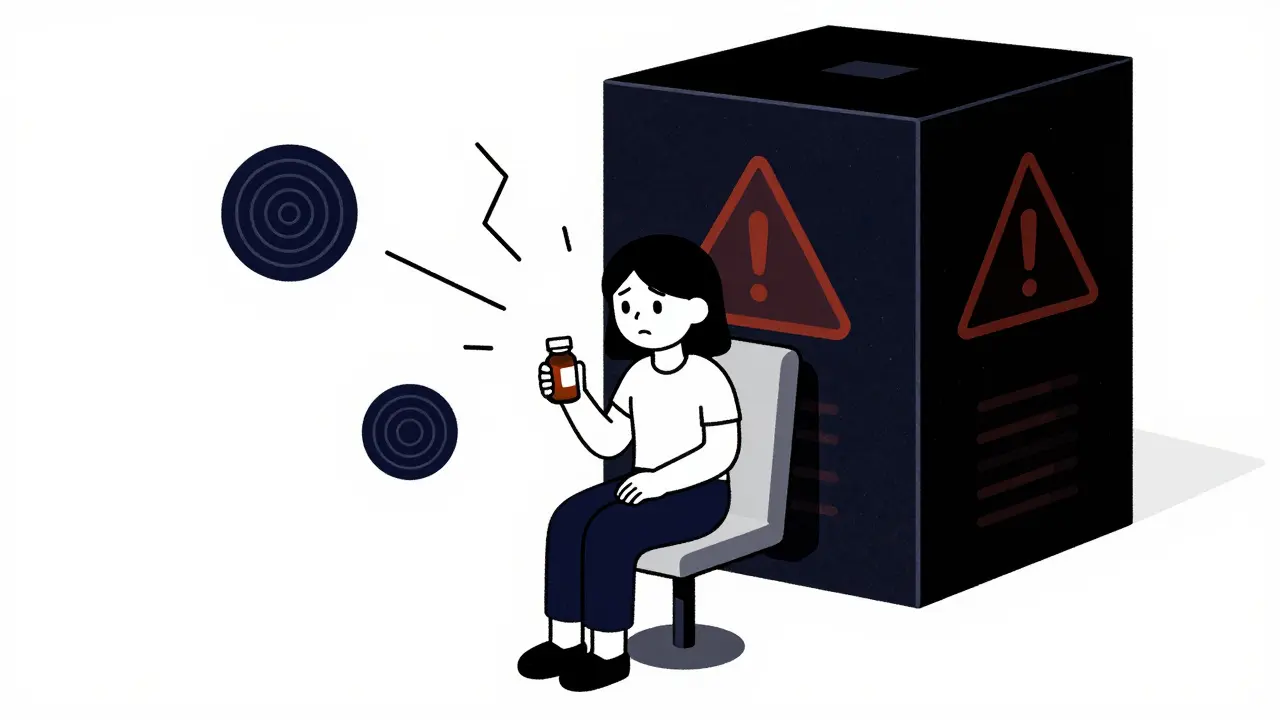
When a teenager is struggling with depression, the decision to start antidepressants isn’t just medical-it’s emotional, scary, and full of conflicting advice. Parents hear about the black box warning on antidepressants and wonder: is this drug safer than the illness itself? The answer isn’t simple. But understanding what the warning really says-and what it doesn’t-can help families make better choices.
What the Black Box Warning Actually Means
In 2004, the U.S. Food and Drug Administration (FDA) added its strongest safety alert to all antidepressant labels: a black box warning about increased risk of suicidal thoughts and behaviors in children and teens. This wasn’t based on a single study. It came from a review of 24 clinical trials involving over 4,400 young patients taking nine different antidepressants, including fluoxetine, sertraline, and venlafaxine. The data showed that 4% of kids on antidepressants had new or worsening suicidal thinking or behavior during the first few months of treatment. That’s compared to 2% on placebo. No one died in those trials, but the increase was real enough for the FDA to act. In 2007, the warning was extended to young adults up to age 24. The warning doesn’t say antidepressants cause suicide. It says they may increase the risk of suicidal thoughts or actions-especially early on, or after a dose change. And it says depression itself is dangerous. Many teens who stop treatment because of fear are left without help.The Unintended Consequences
Here’s where things get complicated. After the warning went out, prescriptions for teens dropped by more than 20% between 2004 and 2006. That sounds like a win for safety-until you look at what happened next. Between 2003 and 2007, suicide rates among 10- to 19-year-olds in the U.S. rose by nearly 18%. Studies published in Health Affairs in 2023 found that fewer doctor visits for depression, fewer therapy sessions, and fewer prescriptions all lined up with this spike. The same research showed a 22% increase in psychotropic drug poisonings-often a sign of suicide attempts. One study tracked 34 separate analyses and found that while some showed higher suicide risk with antidepressants, others showed the opposite: teens who got treatment had lower suicide rates. The problem? Many of the early studies didn’t account for how sick the patients were to begin with. The sicker the teen, the higher the suicide risk-and those are the ones most likely to be prescribed medication.Who’s Most at Risk?
Not every teen responds the same way. The risk of suicidal thoughts isn’t random. It’s higher in:- Teens with severe depression or a history of self-harm
- Those who’ve never taken antidepressants before
- Patients whose doses are changed quickly
- Youth with bipolar disorder undiagnosed or misdiagnosed as depression
How Doctors Are Supposed to Monitor
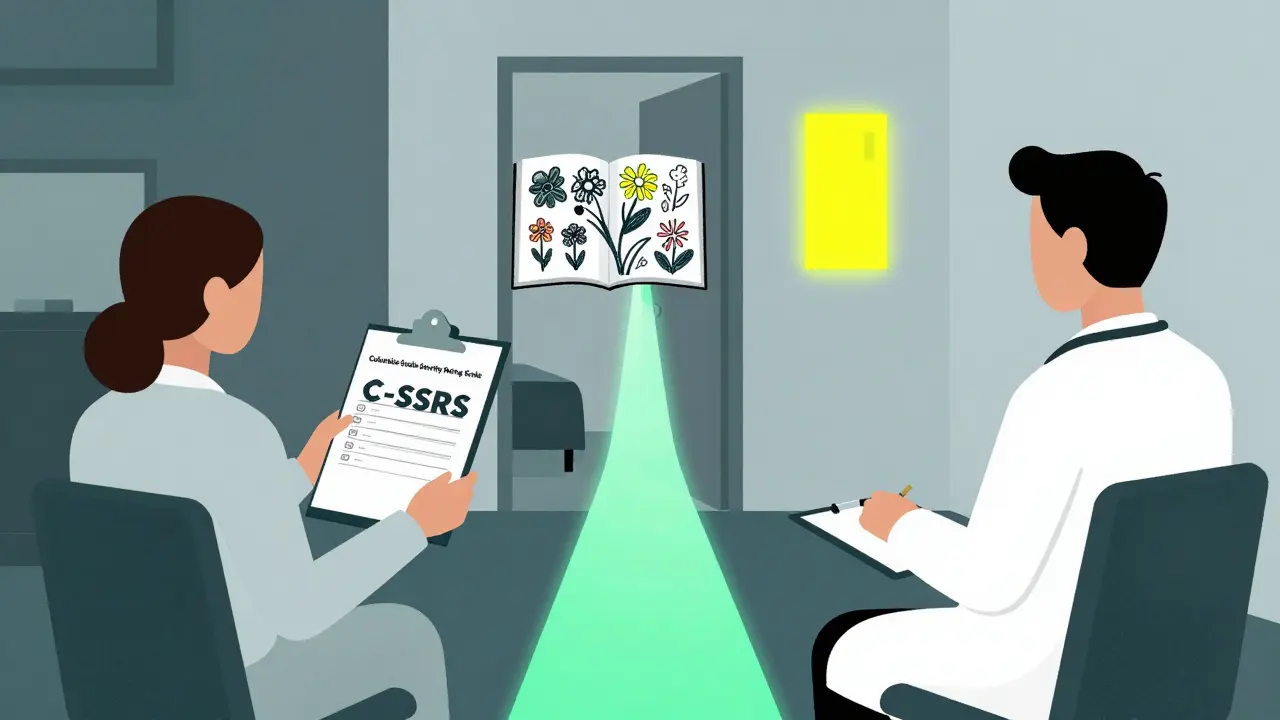
The FDA’s warning asks doctors to watch closely. But in practice, that doesn’t always happen. A 2021 survey of 500 child psychiatrists found that 76% said parents were so scared of the black box warning that they delayed treatment by an average of 3.2 weeks. Some refused medication altogether. Here’s what real monitoring looks like when done right:- Week 1: In-person or telehealth check-in. Use the Columbia-Suicide Severity Rating Scale (C-SSRS) to ask direct questions: “Have you thought about hurting yourself?” “Do you have a plan?”
- Week 2: Another check-in. Watch for agitation, insomnia, or sudden mood swings.
- Week 4: Assess mood, sleep, energy, and appetite. Has the teen started talking more? Joining activities? Sleeping better?
- Month 2-3: Biweekly visits. Continue C-SSRS every time.
- After 3 months: Monthly visits unless something changes.
What Medications Are Used?
Not all antidepressants are the same for teens. Fluoxetine (Prozac) is the only one the FDA has approved specifically for depression in children 8 and older. But others are commonly used off-label:- SSRIs: Sertraline (Zoloft), escitalopram (Lexapro), fluvoxamine (Luvox)
- SNRIs: Venlafaxine (Effexor)-used less often in teens due to higher blood pressure risk
- Atypical: Bupropion (Wellbutrin), mirtazapine (Remeron)
Therapy Matters-More Than You Think
Antidepressants aren’t magic pills. They work best with therapy. Cognitive behavioral therapy (CBT) helps teens challenge negative thoughts. Family therapy helps parents understand what’s going on without blaming themselves or their child. A 2023 Cochrane review of 34 trials found that the evidence on suicidality risk was “low to very low”-meaning the original 4% vs. 2% numbers might not be as clear-cut as we thought. But the evidence for therapy helping teens feel better? That’s solid. The best outcomes come from combining medication with regular counseling. Teens who get both are less likely to drop out of treatment-and less likely to try to harm themselves.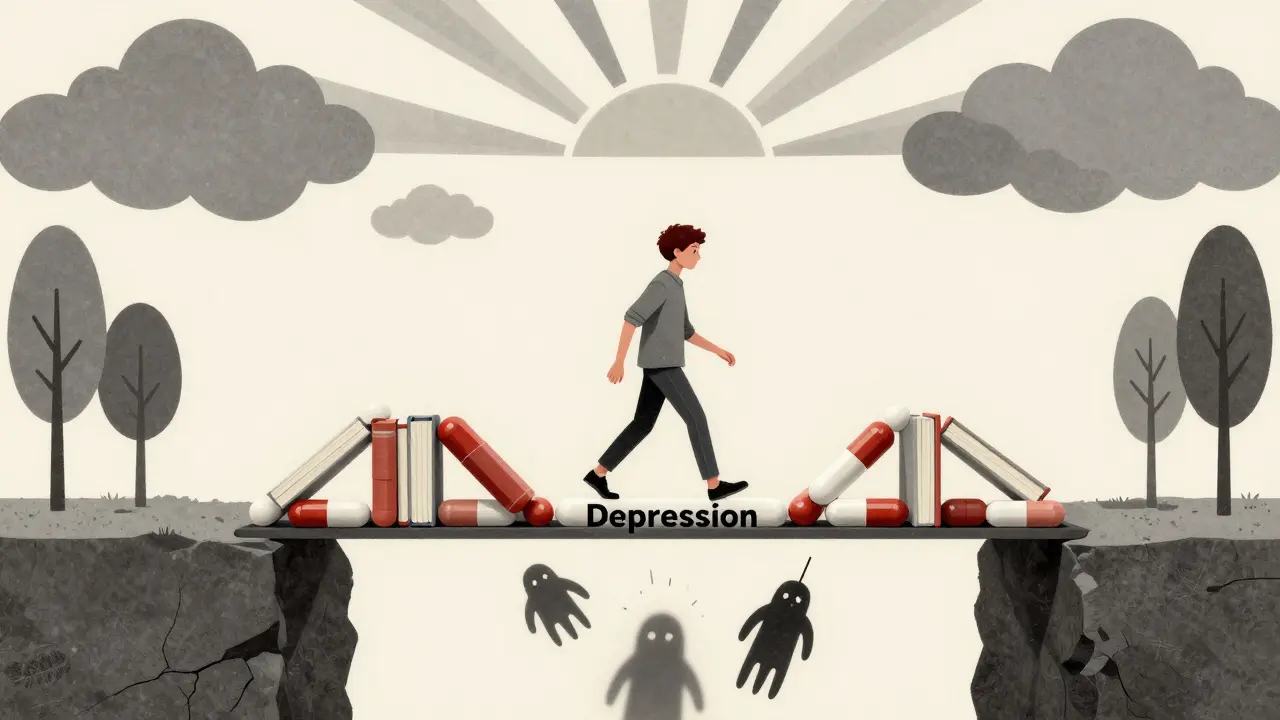
What Parents Should Do
If your teen is being considered for antidepressants:- Ask: “What’s the plan if things get worse?”
- Request the C-SSRS be used at every visit.
- Get a copy of the FDA’s Patient Medication Guide. Read it with your teen.
- Keep all pills locked up. Even small changes in dose can be risky early on.
- Don’t stop the medication suddenly. Withdrawal can cause dizziness, nausea, or worse mood swings.
- Watch for changes: sudden energy, irritability, sleeplessness, withdrawal, or talking about death.
The Future of the Warning
More than 20 years after the first trials, experts are calling for change. The American Psychiatric Association and the American Academy of Child and Adolescent Psychiatry have both asked the FDA to update the warning. They argue that the current label scares families away from treatment-and that the benefits outweigh the risks for most teens with moderate to severe depression. In September 2024, the FDA’s Psychopharmacologic Drugs Advisory Committee will meet again to review the latest data. Some experts think the black box will be replaced with a simpler warning: “Antidepressants may increase the risk of suicidal thoughts in the first few weeks. Close monitoring is recommended.” Until then, the warning stays. But it shouldn’t stop treatment. It should guide it.When to Call for Help
If your teen:- Talks about wanting to die or not being here anymore
- Starts giving away prized possessions
- Writes or draws dark, hopeless themes
- Has sudden calmness after a period of depression (a sign they’ve made a plan)
Antidepressants aren’t perfect. But for many teens, they’re the bridge back to life. The black box warning isn’t a reason to avoid them-it’s a reason to use them wisely, with care, and with support.
Is it true that antidepressants cause suicide in teens?
No, antidepressants don’t cause suicide. But in a small number of teens-about 4%-they may increase the risk of suicidal thoughts or behaviors during the first few weeks of treatment. This risk is higher in those with severe depression or no prior treatment. Importantly, no suicides occurred in the clinical trials that led to the warning. Depression itself is a far greater risk factor for suicide than medication.
Why did suicide rates go up after the black box warning?
After the warning was issued in 2004, prescriptions for teens dropped by over 20%. Fewer teens got treatment. Studies show this drop was followed by a 17.8% increase in teen suicides and a 22% rise in drug poisonings-often suicide attempts. Experts believe many teens who needed help didn’t get it because parents and doctors became too afraid to prescribe or take the medication.
Which antidepressant is safest for teens?
Fluoxetine (Prozac) is the only antidepressant FDA-approved for depression in children 8 and older, and it has the most safety data in teens. Sertraline (Zoloft) and escitalopram (Lexapro) are also commonly used and well-studied. Bupropion and venlafaxine are used less often due to different side effect profiles. The best choice depends on the teen’s symptoms, medical history, and how they respond to treatment.
How often should a teen be monitored when starting antidepressants?
Guidelines recommend weekly check-ins for the first month, biweekly visits in the second month, and monthly visits after that. Each visit should include a suicide risk assessment using tools like the Columbia-Suicide Severity Rating Scale (C-SSRS). Parents should report any sudden changes in mood, sleep, or behavior immediately.
Can therapy replace antidepressants for teens?
For mild depression, therapy alone-especially cognitive behavioral therapy (CBT)-can be very effective. But for moderate to severe depression, research shows that combining therapy with medication works better than either alone. Antidepressants help stabilize mood enough for therapy to take hold. Skipping medication when it’s needed can delay recovery and increase risk.
What should I do if my teen refuses to take antidepressants?
Don’t force it. Instead, talk to their doctor about why they’re resistant. Is it fear of side effects? Shame? Misinformation? Involve them in the decision. Offer alternatives like therapy, exercise, sleep routines, or light therapy. Sometimes, starting with a low dose and explaining the risks clearly helps. If they’re in crisis, seek emergency help-don’t wait.


