
Chemotherapy Medication Safety Checker
Check for Dangerous Interactions
Enter your medications and supplements to see potential risks with chemotherapy. This tool is for informational purposes only and does not replace professional medical advice.
When you’re undergoing chemotherapy, every pill, supplement, or even a glass of grapefruit juice can have unexpected consequences. It’s not just about the cancer drug itself-it’s what it’s doing with everything else in your body. About half of all outpatient cancer patients experience at least one potential drug interaction while on chemotherapy, and one in three of those could lead to serious harm. For many, these interactions are invisible until it’s too late.
What Are Chemotherapy Drug Interactions?
A drug interaction happens when one substance changes how another works in your body. With chemotherapy, this isn’t just a minor inconvenience-it can mean the difference between treatment working and failing, or between staying out of the hospital and facing life-threatening complications. There are three main types:- Pharmacodynamic: Two drugs affect the same part of your body, making their effects stronger, weaker, or unpredictable. For example, combining two drugs that damage your kidneys can push you into kidney failure.
- Pharmacokinetic: One drug changes how your body absorbs, breaks down, or gets rid of another. This is the most common type in cancer care. It often involves enzymes in your liver, especially the CYP3A4 system, which handles about 70% of all medications.
- Immunological: Newer immunotherapies like checkpoint inhibitors can trigger strange reactions when mixed with other drugs. Some patients have developed severe liver damage or skin conditions like Stevens-Johnson Syndrome after mixing ICIs with common medications.
These aren’t theoretical risks. A 2001 study found that 4% of deaths in hospitalized cancer patients were linked to drug interactions. That’s not a small number-it’s one in 25 people who didn’t survive because something they took quietly interfered with their treatment.
Common Culprits: Supplements, Foods, and Over-the-Counter Drugs
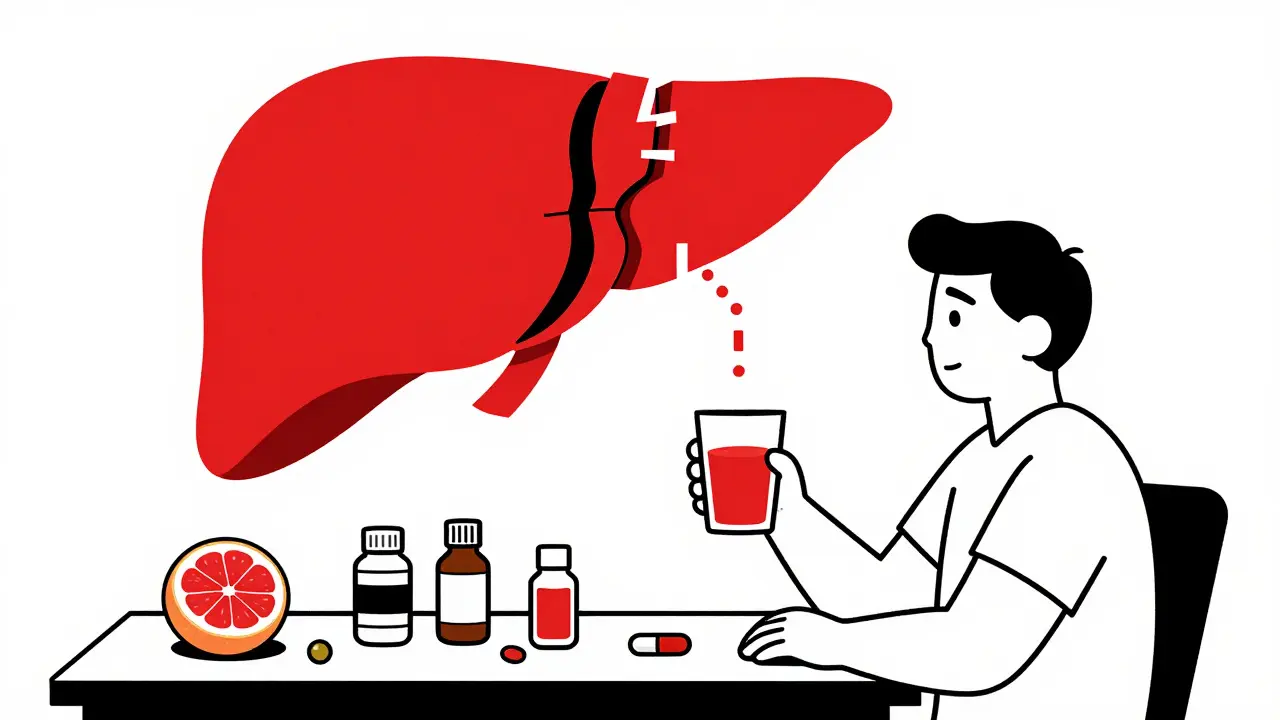
Many people think natural means safe. That’s a dangerous myth when you’re on chemotherapy.- Grapefruit and Seville oranges contain compounds that shut down CYP3A4, a key enzyme that breaks down many chemo drugs. This can cause drug levels to spike dangerously high. Even one glass can have an effect that lasts days.
- Blood thinners like warfarin or aspirin can interact badly with chemo drugs that also affect bleeding. Supplements like fish oil, garlic, ginger, ginkgo biloba, and vitamin E increase bleeding risk-sometimes without warning.
- Herbal supplements like black cohosh, dong quai, licorice, and turmeric aren’t just harmless teas. They can interfere with how your liver processes chemotherapy, reduce its effectiveness, or amplify side effects like nausea or liver damage.
- Pain relievers like ibuprofen or naproxen are common, but they can raise bleeding risk and hurt your kidneys, especially when paired with cisplatin or other nephrotoxic drugs.
- Antidepressants like SSRIs (e.g., fluoxetine) can interfere with tamoxifen, a drug used for breast cancer. One in eight women in the U.S. takes an antidepressant-and one in eight will get breast cancer. The overlap is real, and the interaction is well-documented.
And here’s the kicker: supplements aren’t regulated like prescription drugs. A 2023 report from the VA Whole Health Library found that many herbal products contain unlisted ingredients, contaminants, or inconsistent dosing. What’s on the label? Often not what’s inside.
Oral Chemo Is Changing the Game
Ten years ago, most chemotherapy was given in IV infusions at the clinic. Now, 25% of all chemotherapy drugs in development are oral. That means more patients are taking powerful cancer drugs at home-without direct medical supervision. This shift makes interactions more likely and harder to catch. You might forget to mention that you took a new supplement because your joint pain flared up. Or you might pick up a cold medicine at the pharmacy without telling your oncologist. Oral chemo drugs like capecitabine, temozolomide, and ibrutinib are especially sensitive to interactions. They’re absorbed through your gut and broken down by your liver-just like the supplements and OTC meds you might be taking. One missed detail can throw off your entire treatment.
Who’s Most at Risk?
Not everyone is equally vulnerable. Certain groups face much higher risks:- People over 65: About 60% of cancer diagnoses happen in this age group. Older adults often take five or more medications daily (called polypharmacy), have reduced liver and kidney function, and their bodies process drugs differently.
- Patients with liver or kidney disease: These organs handle drug breakdown and removal. If they’re impaired, drugs build up in your system.
- Those on multiple therapies: Combining chemo with targeted drugs, immunotherapy, pain meds, or heart medications multiplies the chances of conflict.
- People with genetic differences: Some folks have gene variants that make them ultra-sensitive or ultra-resistant to certain drugs. Testing for these is becoming more common-but still not routine.
A 2014 study of 244 cancer patients over 70 found that 75% had potential for serious drug interactions. That’s not an outlier-it’s the norm.
How to Protect Yourself
You can’t avoid all risks-but you can drastically reduce them.- Make a full medication list: Write down every prescription, OTC pill, vitamin, herb, and even tea you take daily. Include dosages and how often you take them.
- Share it with everyone: Give this list to your oncologist, pharmacist, and even your primary care doctor. Don’t assume they know what you’re taking.
- Ask about every new drug: Before taking anything new-even a cold tablet or a sleep aid-ask: “Is this safe with my chemo?”
- Avoid grapefruit and Seville oranges completely: No exceptions. Even a single serving can interfere with your drugs for days.
- Stop supplements before surgery: If you’re having a procedure, stop high-risk supplements like fish oil, garlic, and ginkgo at least 10 days before. Bleeding risk during surgery can be deadly.
- Use a pharmacy that specializes in oncology: Not all pharmacies track interactions the same way. Ask if your pharmacy has an oncology pharmacist on staff. They use specialized tools like Lexicomp or Micromedex to catch dangerous combinations.
Why Pharmacists Are Your Secret Weapon
Many patients think their oncologist handles everything. But the real experts on drug interactions? Pharmacists. Oncology pharmacists are trained to spot subtle conflicts that doctors might miss. They know which supplements are dangerous with which drugs. They understand how aging affects metabolism. They can tell you if that new painkiller is safe with your oral chemo-or if you need a different option. Dr. Anthony Perre of Cancer Treatment Centers of America said it plainly: “With precision medicine, most chemotherapy in the future will be oral. Managing interactions will become even more critical.” If your treatment center doesn’t have an oncology pharmacist, ask for one. Or ask your community pharmacy if they offer a medication therapy management service for cancer patients.The Future: Personalized Safety
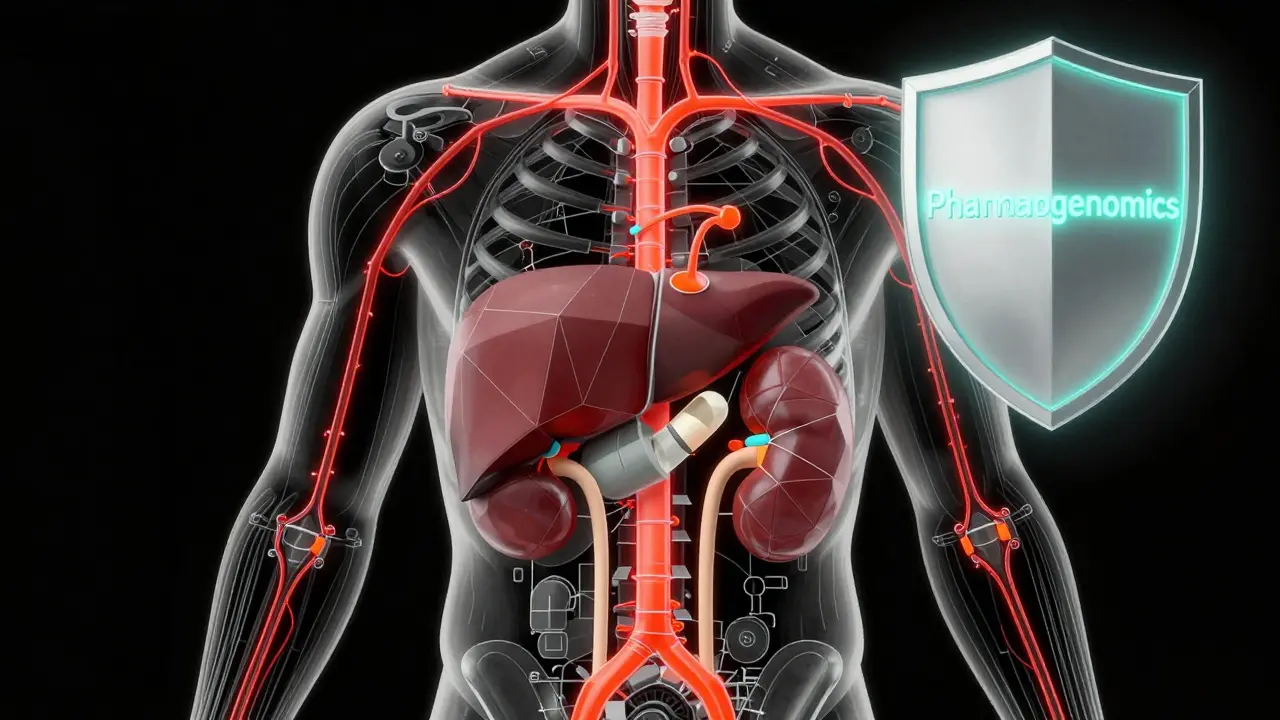
Science is catching up. Researchers are now looking at how your genes affect how you process drugs. This is called pharmacogenomics. In the future, you might get tested before starting chemo to see if you’re a slow or fast metabolizer of certain drugs. Newer immunotherapies are also forcing doctors to rethink safety. Unlike traditional chemo, these drugs don’t kill cells-they change how your immune system sees them. That means interactions aren’t just about chemistry. They’re about your body’s entire defense system. Early studies are exploring ways to safely reintroduce medications that previously caused bad reactions-like desensitization protocols for patients who need a critical drug but had a severe immune reaction. But for now, the best tool you have is awareness. And communication.What to Do Right Now
If you’re on chemotherapy:- Review your medication list today.
- Remove anything you’re not sure about-until you’ve checked with your care team.
- Call your pharmacy and ask: “Do you screen for chemo interactions?”
- Write down your next question for your oncologist: “Are any of my current medications or supplements risky with my treatment?”
Chemotherapy is powerful. But it’s not magic. It responds to what you put in your body-every pill, every bite, every drop. Stay informed. Stay vigilant. Your life depends on it.
Can I take ibuprofen while on chemotherapy?
It depends. Ibuprofen and other NSAIDs can increase bleeding risk and harm your kidneys-both of which are already vulnerable during chemotherapy. Drugs like cisplatin or carboplatin are especially hard on the kidneys. If you need pain relief, ask your doctor about acetaminophen (Tylenol) instead. Never take NSAIDs without checking first.
Are herbal supplements safe during chemo?
Most are not. Supplements like turmeric, ginger, ginkgo, and garlic can interfere with how your liver breaks down chemotherapy drugs. Some reduce treatment effectiveness; others increase side effects like bleeding or liver damage. The VA Whole Health Library lists over a dozen high-risk herbs. Always assume a supplement is unsafe unless your oncology team says otherwise.
Does grapefruit really affect chemotherapy?
Yes, and it’s not just grapefruit-Seville oranges, pomelos, and some tangelos do the same. They contain furanocoumarins that permanently block the CYP3A4 enzyme in your liver. This enzyme breaks down many chemo drugs, including docetaxel, paclitaxel, and etoposide. When blocked, drug levels can spike dangerously high. Avoid all forms-juice, fruit, even flavorings.
Can I take vitamins during chemotherapy?
Some are okay, many aren’t. High-dose antioxidants like vitamin C, E, and selenium might interfere with how chemo kills cancer cells. A 2023 review found that some patients who took high-dose vitamin supplements had worse outcomes. Stick to a basic multivitamin if approved by your doctor. Don’t take megadoses unless specifically recommended.
What should I do if I experience a new side effect after starting a new medication?
Contact your oncology team immediately. Don’t wait. New symptoms like unexplained bruising, rash, fever, nausea, or fatigue could signal a dangerous interaction. Keep a log: what you took, when, and what happened. This helps your team identify the cause faster. Many interactions are reversible if caught early.
Why don’t doctors always warn me about these interactions?
Time and complexity. Oncologists manage dozens of factors: tumor type, stage, genetics, side effects, emotional support. Drug interactions are just one piece-and many aren’t well studied, especially with newer immunotherapies. That’s why it’s your job to speak up. Bring your full list to every appointment. Ask: “Could anything I’m taking interfere with my chemo?” Don’t assume they know.


