
Complementary Treatment Safety Checker
Check if complementary treatments interact with your medications and review evidence-based safety ratings. Based on 2024 research from the National Center for Complementary and Integrative Health.
When you're taking medication for a chronic condition-whether it's high blood pressure, cancer, or depression-you're not just fighting the disease. You're also fighting the side effects. Nausea, fatigue, dry mouth, dizziness, constipation, or even heart palpitations can make daily life harder than the original illness. Many people turn to complementary treatments to ease these symptoms, but not all of them work, and some can be dangerous. The good news? There are a few complementary treatments backed by solid research that actually help. The bad news? Many others don’t, and some can interfere with your prescription drugs in serious ways.
What Counts as a Complementary Treatment?
Complementary treatments are things you use alongside your regular medicine-not instead of it. This includes things like acupuncture, herbal supplements, meditation, massage, and certain dietary changes. The goal isn’t to replace your doctor’s plan but to help you feel better while following it. According to the National Center for Complementary and Integrative Health, about 38% of U.S. adults use at least one of these methods, mostly to manage side effects from medications. In cancer care, that number jumps to over 50%.
But here’s the catch: most people don’t tell their doctors about what they’re using. A UK hospital study found that only 21% of patients using complementary treatments mentioned them to their healthcare provider. That’s a problem. Some herbs and supplements can react badly with common drugs. Garlic, for example, can thin your blood too much if you’re on aspirin or lisinopril. Milk thistle might seem harmless, but one patient in a Reddit thread reported being hospitalized for liver toxicity after using it during chemotherapy.
Acupuncture: The Most Studied Option
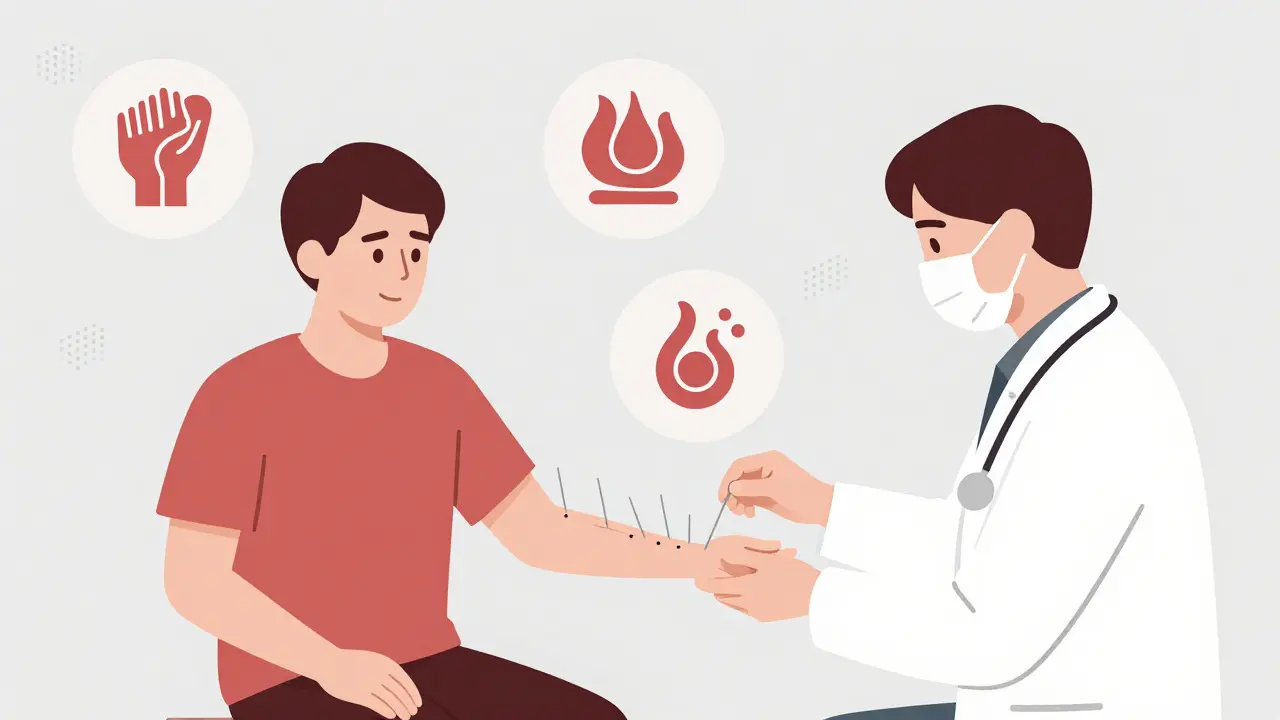
If you’re looking for one complementary treatment with the strongest evidence, it’s acupuncture. Multiple large studies, including a 2020 Cochrane review of over 4,700 patients, show it significantly reduces side effects like nausea, constipation, and neuropathy pain.
For chemotherapy-induced nausea, a 2017 JAMA Oncology meta-analysis found acupuncture reduced symptoms by 36% compared to sham treatments. For opioid-induced constipation, it was 32% more effective than standard care alone. Cancer patients using taxol often report severe nerve pain-acupuncture has helped some cut that pain in half.
Why does it work? It’s not magic. Acupuncture stimulates nerves that send signals to the brain, triggering natural painkillers and calming the digestive system. It’s also low-risk when done by a licensed practitioner. Unlike supplements, it doesn’t enter your bloodstream. That’s why it’s now offered in 73% of U.S. cancer centers.
Ginger: A Simple, Powerful Fix for Nausea
If you’ve ever felt queasy after chemo or even a strong antibiotic, you’ve probably heard of ginger. And for good reason. A 2013 study in the Journal of Pain and Symptom Management found that 0.5 to 1.0 gram of ginger daily cut chemotherapy-induced nausea by 40%. That’s better than some prescription anti-nausea drugs.
It works best in capsule form-fresh ginger tea can be too strong and inconsistent. One patient on Reddit, u/ChemoSurvivor2022, said ginger capsules reduced her nausea by 70% compared to ondansetron alone. She didn’t stop her chemo. She just added ginger.
But don’t go overboard. More than 4 grams a day might cause heartburn or interact with blood thinners. Stick to the dose studied: half to one gram daily. Look for standardized extracts. Not all ginger supplements are equal.
Hawthorn and L-Arginine: Use With Caution
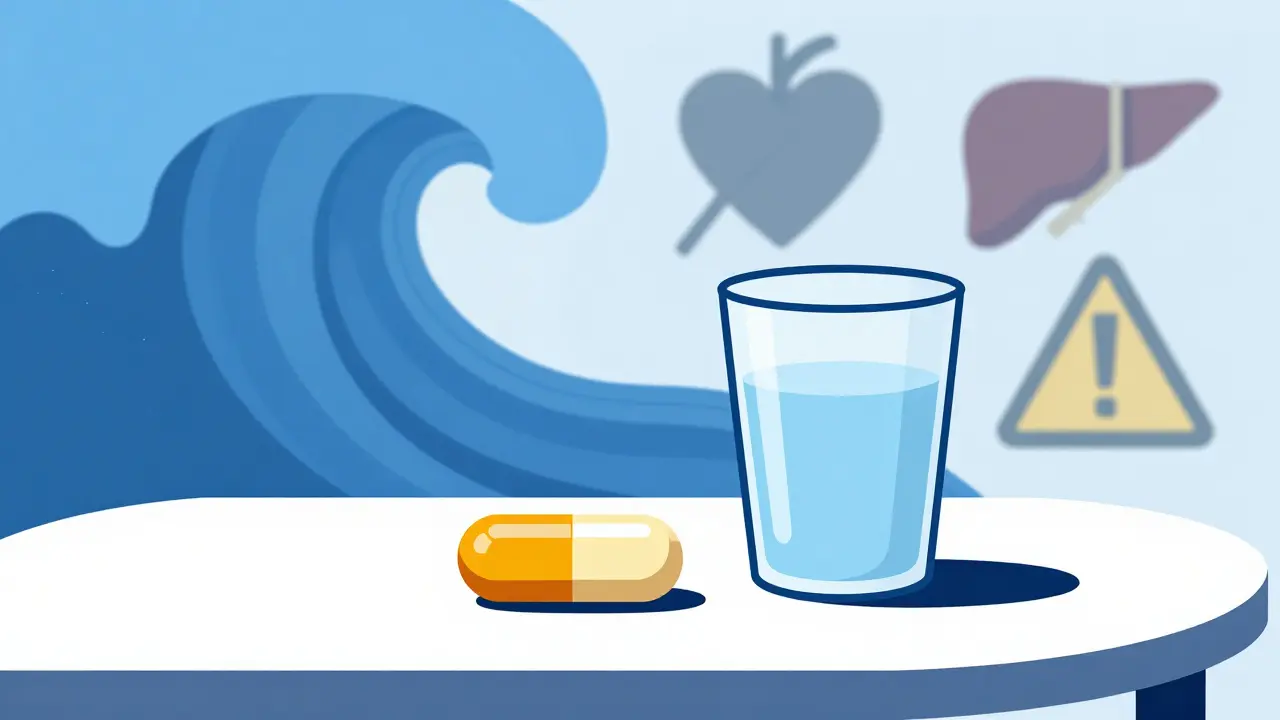
Some supplements are marketed for heart health, like hawthorn and L-arginine. Hawthorn (from the Crataegus plant) is sometimes used for mild heart failure or high blood pressure. Studies suggest it’s generally well-tolerated-even when taken with ACE inhibitors or beta-blockers. But there’s a gray area. The American Heart Association warns it might interact with digoxin, a common heart medication, potentially causing dangerous changes in heart rhythm.
L-arginine, an amino acid, is sold to improve circulation. At doses under 12 grams daily, it’s usually fine. But it can cause stomach upset, diarrhea, and low blood pressure. If you’re on blood pressure meds, adding L-arginine could drop your pressure too far. One study found patients needed hospitalization after combining it with their existing heart drugs.
These aren’t outright dangerous-but they’re not risk-free either. If you’re considering them, talk to your pharmacist. They can check for interactions you might miss.
The Hidden Risks: Supplements You Should Avoid
Not all supplements are created equal. Some are outright risky. Blue cohosh, sometimes used for menstrual issues, can spike your heart rate and blood pressure. Lily of the valley? It can cause dangerously low potassium levels if you’re on digoxin. Both are still sold online without warnings.
Then there’s the contamination problem. A 2023 FDA alert linked unapproved kratom products to 195 deaths since 2016. Many herbal products, especially those bought online or imported, contain hidden drugs, heavy metals, or pesticides. One study found 1 in 5 supplements didn’t even contain the herb listed on the label.
Antioxidants like vitamins A, C, E, and selenium are another minefield. Cancer Research UK warns they might protect cancer cells during chemo or radiation. While the evidence isn’t conclusive, they advise caution. If you’re undergoing treatment, skip high-dose antioxidant supplements unless your oncologist says it’s safe.
How to Use Complementary Treatments Safely
Here’s what actually works in real life:
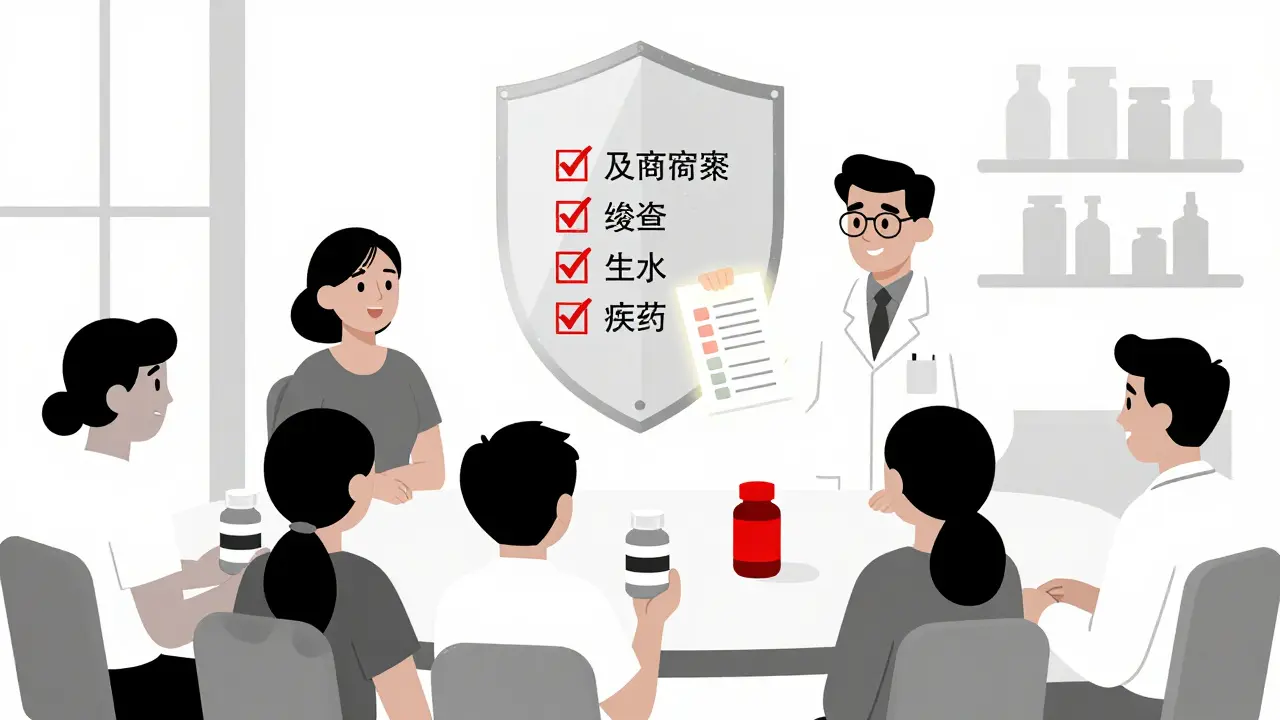
- Always tell your doctor-every herb, vitamin, oil, or tea you take. Even if they don’t ask. Bring a list or a bottle.
- Don’t replace medicine. Complementary treatments help you cope, not cure.
- Stick to proven options. Acupuncture and ginger have solid data. Skip the trendy blends with 15 unknown ingredients.
- Use trusted sources. The Memorial Sloan Kettering About Herbs app is updated monthly and shows drug interactions. The NCCIH website also has a free interaction checker.
- Watch for side effects. If you feel dizzy, your heart races, or your stomach hurts after starting something new-stop and call your doctor.
Most integrative medicine programs now require patients to list every supplement they take. At Mayo Clinic, they track 12 specific data points on each patient’s complementary use. That’s how you avoid disasters.
What’s Changing in 2026?
Research is moving fast. The NIH spent $142 million in 2023 on complementary medicine studies, with nearly half focused on side effect management. The new Precision CAM initiative aims to find biomarkers that predict who will respond to which treatment. In other words, we’re moving toward personalized care-not one-size-fits-all supplements.
Regulators are catching up too. The EU has stricter rules for herbal products. The FDA is cracking down on unapproved supplements. And more hospitals are training staff to talk about CAM without judgment. The goal isn’t to push supplements-it’s to keep patients safe while giving them real relief.
Bottom Line
You don’t need to suffer through side effects. But you also don’t need to guess. Acupuncture and ginger are two of the few complementary treatments with clear, repeatable results. Everything else? Proceed with caution. Talk to your doctor. Check for interactions. Avoid unregulated products. And never stop your prescribed meds without professional advice. The right complementary approach won’t just make you feel better-it might help you stick with the treatment that’s saving your life.


