
Why Your Generic Pill Looks Different This Month
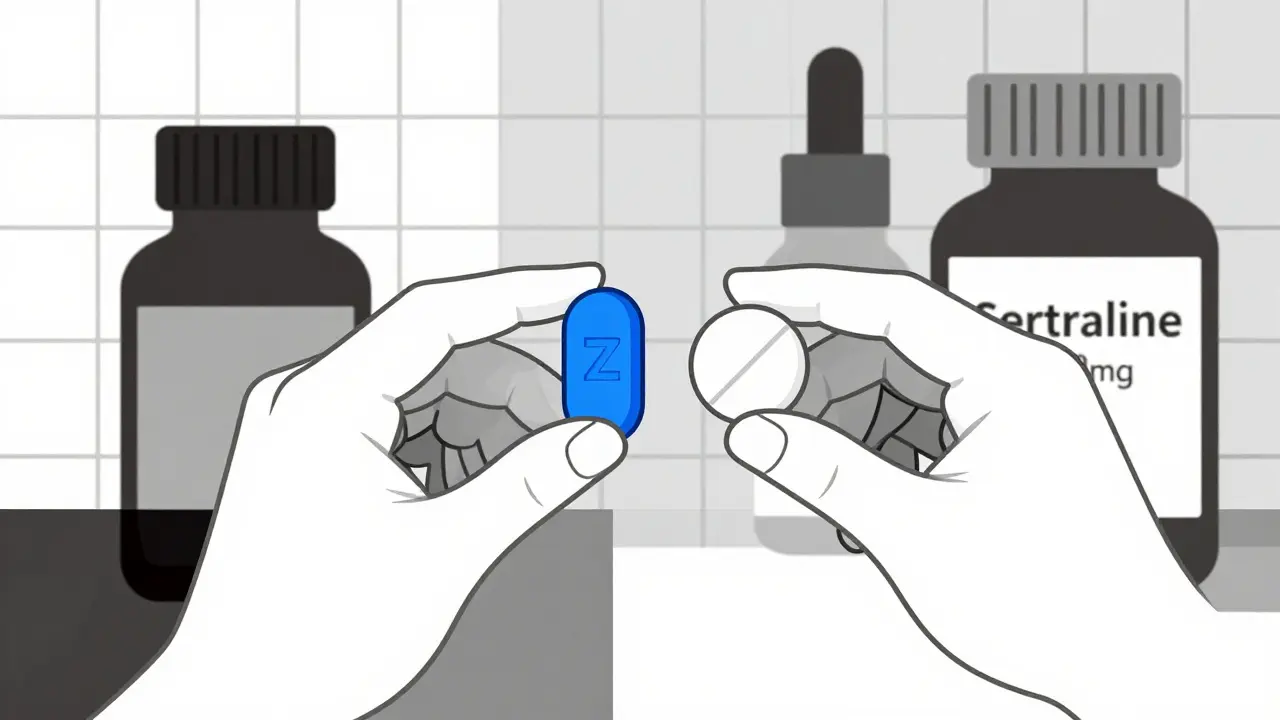
You’ve been taking the same medication for years. Then one day, you open your bottle and the pill looks totally different-white instead of blue, round instead of oval, no marking where there used to be one. Your first thought? Is this the right drug? You’re not alone. In fact, 42% of patients report at least one appearance change in their regular meds over a 12-month period, according to the American Pharmacists Association.
These changes aren’t mistakes. They’re legal, regulated, and happening because of how generic drugs are made. The active ingredient? Still the same. The effect on your body? Still the same. But the color, shape, and size? Totally different. And that’s causing real problems-people skipping doses, stopping meds entirely, or even going to the ER because they think they’ve been given the wrong drug.
Why Generic Pills Can Look So Different
Here’s the simple truth: generic drugs don’t have to look like the brand-name version. In the U.S., trademark laws say they can’t. That’s right-brand-name drug companies hold trademarks on the look of their pills. So if a generic maker made a pill that looked exactly like Zoloft, Pfizer could sue them.
Instead, every generic manufacturer picks their own design. One company makes sertraline as a blue oval. Another makes it white and round. A third makes it green and capsule-shaped. All contain the same active ingredient. All meet FDA bioequivalence standards. But they look nothing alike.
This isn’t just about trademarks. It’s also about cost. Pharmacies buy the cheapest version available each month. So if your pharmacy switches from one generic maker to another to save a few cents per pill, your pill changes. One patient told UCLA Health she had nine different-looking versions of her medication over 15 years.
What the FDA Actually Requires
The FDA doesn’t care what color your pill is. But it cares deeply about what’s inside it.
To get approved, a generic drug must:
- Have the same active ingredient as the brand-name drug
- Be the same strength and dosage form (tablet, capsule, etc.)
- Be taken the same way (by mouth, injection, etc.)
- Be bioequivalent-meaning it works the same way in your body
- Meet the same strict manufacturing standards
That’s it. The FDA doesn’t require matching color, shape, size, or markings. Inactive ingredients-like dyes, fillers, and coatings-can be completely different. That’s why one metformin pill might be pink and round, while another is white and oblong. Neither is better or worse. They’re just different.
And yes, the FDA knows this causes confusion. Back in 2014, experts Drs. Uhl and Peters wrote in ACP Journals that “bioequivalent generic drugs that look like their brand-name counterparts enhance patient acceptance.” The FDA hasn’t changed the rules since then-but they’re aware of the problem.
The Real Danger: Patients Stopping Their Meds
It’s not just about confusion. It’s about health risks.
A landmark study in the Annals of Internal Medicine found that:
- 34% of patients stopped taking their medication after a color change
- 66% stopped after a shape change
These aren’t small numbers. That’s nearly two out of every three people who quit their meds because the pill looked different-not because it stopped working, not because they felt better, but because it didn’t look right.
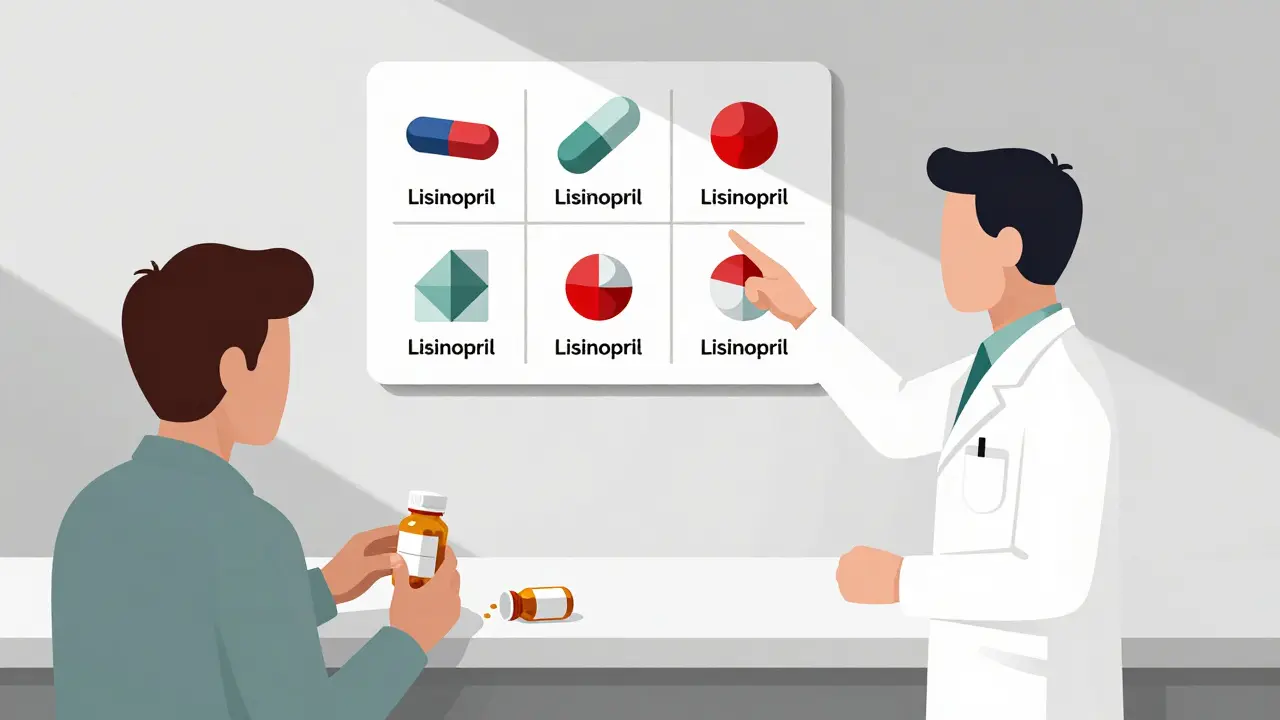
One man in Los Angeles was on lisinopril for high blood pressure. His pill changed from peach to white. He thought it was a different drug. He stopped taking it. Two weeks later, he had a stroke. His doctor later told him the new pill was perfectly safe. But he didn’t know that until it was too late.
Another patient on potassium chloride told UCLA Health she recognized her pills by their “distinctive appearance: flat, circular, neon orange-colored tablets.” When she got white, capsule-shaped ones, she assumed they were wrong. She didn’t take them for days. Her potassium levels dropped dangerously low.
People don’t trust what they don’t recognize. And when your health depends on taking a pill every day, that lack of trust can be deadly.
What Medications Are Most Likely to Change?
Some drugs are notorious for changing appearance. Here are the most common:
- Sertraline (Zoloft): Blue, green, white, oval, round, capsule-every version is valid.
- Metformin: White or pink, round or oblong, scored or unscored.
- Lisinopril: White, pink, peach, sometimes with a marking like “L” or “Z”.
- Gabapentin: One manufacturer makes it green capsules, another makes it white tablets, another makes it pink oblongs.
- Levothyroxine: Even small changes in inactive ingredients can affect absorption-so appearance changes here are especially concerning.
These aren’t rare cases. In fact, 78% of pharmacies now include a note on refill labels saying, “Your medication may look different due to a change in manufacturer.” That’s up from 45% in 2018. They’re trying to warn people. But are they doing enough?
What You Can Do to Stay Safe
You don’t have to guess. You don’t have to panic. Here’s how to protect yourself:
- Keep a written list of every medication you take-name, dose, and what it looks like. Take it to every doctor visit.
- Check the bottle every time you refill. Look at the name, dose, and manufacturer. Don’t assume it’s the same.
- Ask your pharmacist if the pill changed. They’re trained to explain this. Say: “I’ve taken this before. Is this the same drug?”
- Use the FDA’s Pill Identifier at medscape.com/pillidentifier. Upload a photo or enter color, shape, and marking to verify.
- Don’t stop taking it just because it looks different. Call your doctor or pharmacist first.
Pharmacists are your best defense. A 2023 survey found that 63% of independent pharmacies now have pill identification programs-meaning they keep photos or samples on hand to show patients what different versions look like. That’s a huge improvement.
What’s Being Done to Fix This?
The problem isn’t going away. Generic drugs make up more than 70% of all prescriptions in the U.S. And with drug prices still rising, pharmacies will keep choosing the cheapest option.
But change is coming. The MODERN Labeling Act of 2020 lets the FDA require generic drug labels to update faster when new safety info comes out. And in September 2025, the FDA proposed new rules under Section 505(o)(4) of the Federal Food, Drug, and Cosmetic Act to force manufacturers to update labels based on new safety data.
Some experts are calling for a national standard: make generic pills look more like their brand-name versions. But that would require changing trademark laws-and that’s a legal minefield. Until then, the burden falls on patients and pharmacists.
Final Thought: Your Meds Aren’t Broken. Your Trust Is.
Generic drugs save the U.S. healthcare system over $300 billion a year. They’re safe. They’re effective. They’re essential.
But their appearance changes are eroding trust. And trust is the foundation of treatment. If you don’t believe your pill is the right one, you won’t take it. And that’s when real harm happens.
Know your meds. Ask questions. Don’t assume. And remember: a different-looking pill doesn’t mean a weaker one. It just means a different manufacturer. The science hasn’t changed. Your health hasn’t changed. Only the color did.
Is it safe to take a generic pill that looks different from the last one?
Yes, it’s safe-if it’s the same medication. Generic drugs must meet the same FDA standards for active ingredients, strength, and bioequivalence. The only differences are in color, shape, size, or markings, which are allowed under U.S. trademark law. Always confirm with your pharmacist if you’re unsure.
Why do pharmacies switch generic manufacturers?
Pharmacies choose the lowest-cost generic available at the time of refill. Since multiple companies make the same generic drug, the cheapest option can change monthly. This saves money for insurers and patients, but it often means your pill looks different each time.
Can a pill change affect how well my medication works?
No, not if it’s FDA-approved. The active ingredient and how your body absorbs it (bioequivalence) must match the brand-name drug exactly. However, rare cases exist-like with levothyroxine-where small differences in inactive ingredients can affect absorption. Always monitor your symptoms and report changes to your doctor.
What should I do if I think I got the wrong pill?
Don’t take it. Don’t throw it away. Call your pharmacist immediately. Have your old bottle and new pill ready. They can verify the drug using the manufacturer’s code, pill identifier tools, or by contacting the distributor. Never guess-always confirm.
Are there any apps or tools to help identify pills?
Yes. The FDA-endorsed Medscape Pill Identifier lets you search by color, shape, and imprint. Many pharmacies also offer printed guides or QR codes on refill labels that link to images of common generic versions. Keep these tools handy.
Why don’t generic drugs look like brand-name drugs?
U.S. trademark law prevents generic manufacturers from copying the exact look of brand-name pills. This protects the brand’s intellectual property. As a result, each generic maker creates its own design-even if it’s the same drug. This is why the same generic can look different across pharmacies or refill cycles.
Can I ask my pharmacy to always give me the same generic brand?
Yes. You can ask your pharmacist to dispense a specific generic manufacturer. Some pharmacies will accommodate this, especially if you’ve had issues with appearance changes. However, this may mean higher out-of-pocket costs, since the pharmacy may need to order a pricier version.


