
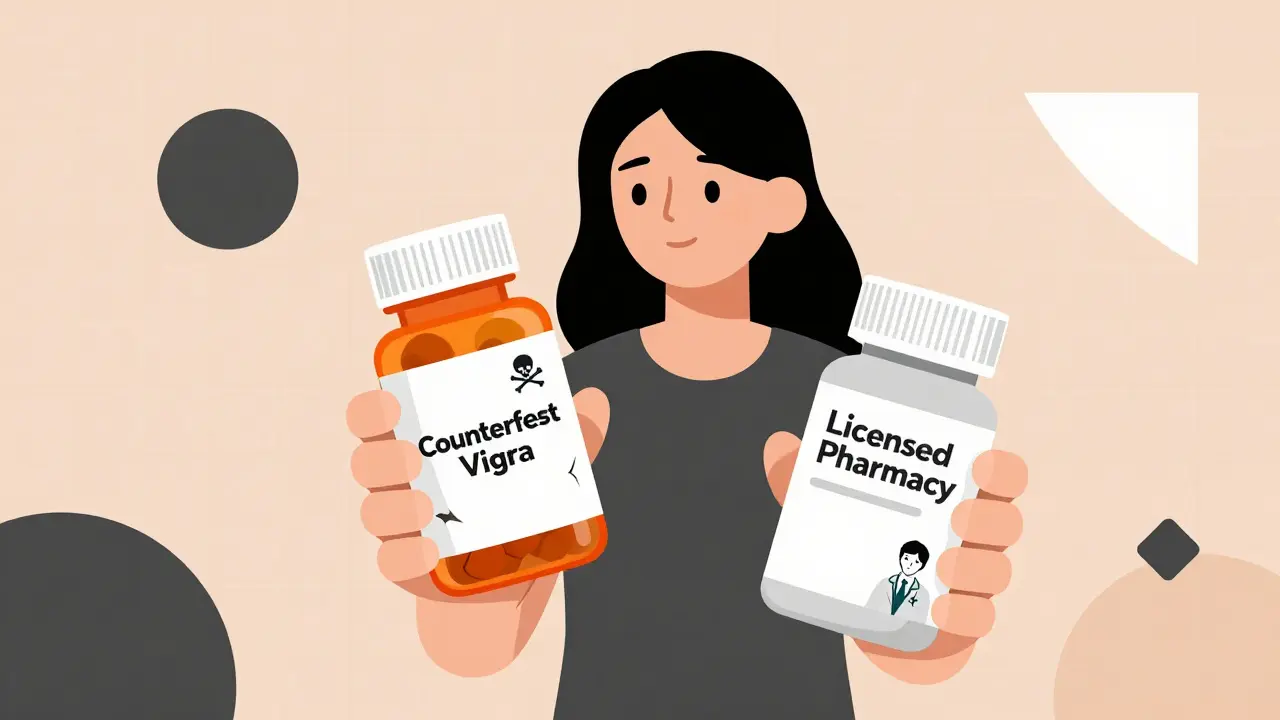
Buying medicine online sounds easy-until you realize how many fake pharmacies are out there. In 2023, the FDA estimated that 96% of online pharmacies are illegal. That means if you just Google "buy pills online," you’re far more likely to land on a site selling fake, toxic, or expired drugs than a real, licensed pharmacy. And it’s not just a risk-it’s a danger. In 2022 alone, over 1,800 adverse events were reported to the FDA from people who bought medicine online, with nearly 70% linked to counterfeit drugs. One woman in Ohio ordered "Viagra" from a website that looked professional. It arrived in a sealed box with a fake NABP seal. Inside? Pills with three times the labeled dose of sildenafil. She ended up in the ER. This isn’t rare. It’s common.
What Makes an Online Pharmacy Licensed?
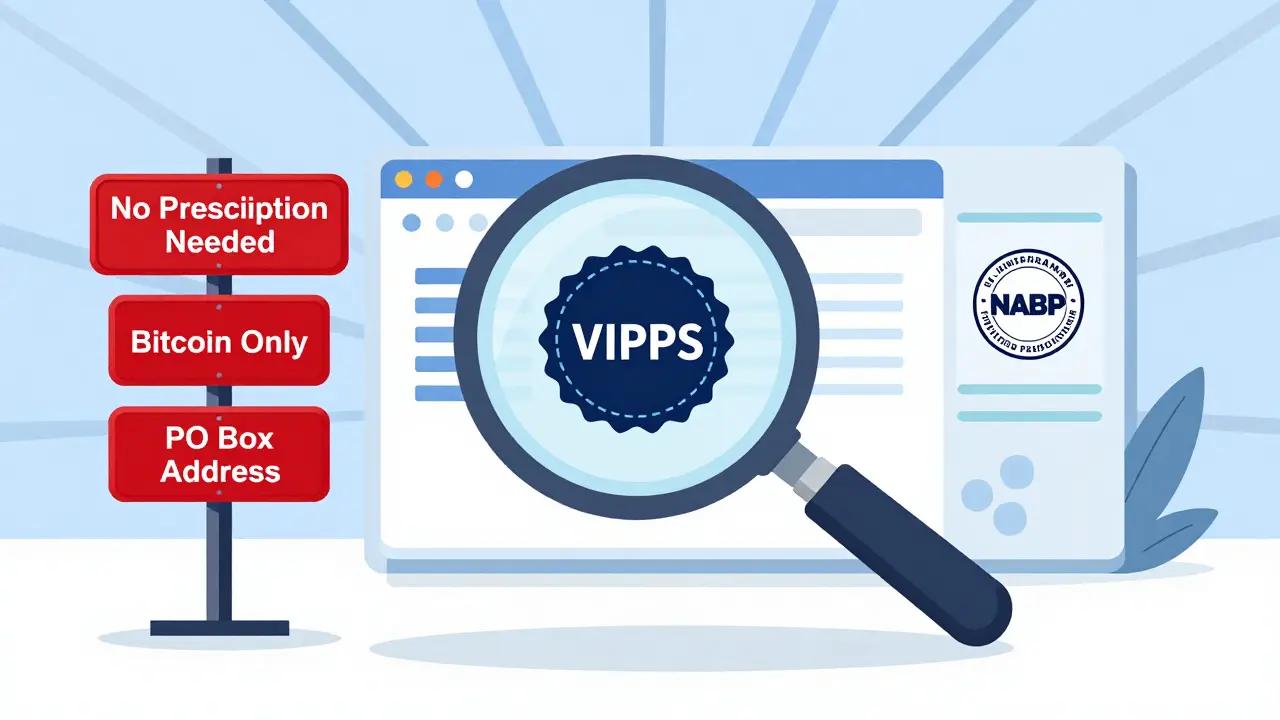
A licensed online pharmacy isn’t just a website that says "FDA Approved" or has a fancy logo. It’s a real business that meets strict legal and safety standards. In the U.S., that means it must be licensed by a state board of pharmacy, have a physical address you can visit, and employ licensed pharmacists who review every prescription. Legitimate pharmacies don’t sell controlled substances without a valid, up-to-date prescription from a doctor you’ve seen in person or via a legitimate telehealth service. They also don’t offer "no prescription needed" deals-that’s a red flag.The gold standard for verification is the VIPPS seal, created by the National Association of Boards of Pharmacy (NABP). To earn it, a pharmacy must pass 17 separate safety checks: from how they store drugs to whether their website uses encrypted connections. As of late 2023, only 68 U.S. pharmacies held this accreditation. That’s not many. But it’s the only seal that’s backed by real government oversight.
How to Spot a Fake Pharmacy
Fake pharmacies are getting smarter. They copy real websites. They use professional-looking logos. They even hire actors to pose as pharmacists in video ads. But they still make the same mistakes. Here’s what to look for:- No prescription required: If you can buy Adderall, Xanax, or insulin without a prescription, walk away. It’s illegal-and dangerous.
- No physical address: Legit pharmacies list a real street address, not a PO box. If you can’t find them on Google Maps, they’re not real.
- Only accepts cryptocurrency or wire transfers: Real pharmacies take credit cards, debit cards, or PayPal. If they only take Bitcoin or Western Union, it’s a scam.
- Too-good-to-be-true prices: If brand-name Lipitor costs $10 a month, it’s fake. Legit pharmacies charge close to retail prices, sometimes a little less with insurance.
- Spelling errors or broken links: Real pharmacies invest in professional websites. If the site looks like it was made in 2008, it probably is.
One user on Reddit shared how they bought pills from a site that looked identical to a real VIPPS pharmacy. The URL was slightly different: "meds4you.com" instead of "meds4you.org." The fake site even had a clickable VIPPS seal. But when they clicked it, it linked to a random blog-not the NABP’s official site. That’s how they caught it.
How to Verify a Pharmacy for Real
Don’t trust logos. Don’t trust testimonials. Go straight to the source. Here’s your step-by-step checklist:- Check for a VIPPS seal: Look for the official NABP VIPPS logo on the website. Then, go to NABP’s Safe Site Search Tool and type in the pharmacy’s name. If it doesn’t show up, it’s not accredited.
- Verify the pharmacy’s license: Use the FDA’s BeSafeRx tool. Enter the pharmacy’s name and location. It will cross-check with state pharmacy boards. If the state says they’re not licensed, they’re not legit.
- Look for a licensed pharmacist on staff: The website should list a phone number or live chat option where you can speak to a real pharmacist. Call them. Ask them about your medication. If they can’t answer basic questions, hang up.
- Check the domain: Legitimate U.S. pharmacies often use .pharmacy domains. Type the site into PharmacyChecker.com-they verify over 2,000 pharmacies globally and flag the unsafe ones.
- Review their privacy policy: Legit pharmacies clearly explain how they protect your medical data. If their privacy policy is vague or missing, don’t buy.
Canadian pharmacies are tricky. Many sites claim to be Canadian but operate out of India or China. To verify a Canadian pharmacy, go to the website of the provincial pharmacy regulator-like the Ontario College of Pharmacists-and search for the pharmacy’s name. If it’s not listed, it’s fake.
What to Do If You Already Bought From a Fake Site
If you’ve already ordered from a suspicious pharmacy, don’t panic-but act fast.- Stop taking the pills: Even if they look real, they could be contaminated with lead, fentanyl, or toxic chemicals.
- Save everything: Keep the packaging, receipts, emails, and screenshots. You’ll need them to report the site.
- Report it: File a complaint with the FDA’s MedWatch program. You can do it online in under 10 minutes. Also report it to the FTC at ReportFraud.ftc.gov.
- Call your doctor: Tell them what you took and when. They may need to run blood tests or monitor you for side effects.
- Check your bank statements: If you paid with a credit card, dispute the charge immediately. Most banks will reverse fraudulent online pharmacy transactions.
One man in Texas ordered insulin from a site that looked like a Canadian pharmacy. He took it for two weeks. His blood sugar spiked dangerously. When he called his pharmacist, they recognized the pill’s color and shape-it wasn’t the real thing. He reported it. The site was shut down within a week.
Why Legit Online Pharmacies Are Worth It
Yes, licensed pharmacies cost more than shady sites. But here’s what you’re paying for:- Real medication: FDA-approved, properly stored, and correctly labeled.
- Pharmacist support: If you have questions about side effects or interactions, you can talk to a real person.
- Privacy: Your medical records are protected under HIPAA.
- Consistent delivery: No surprises. No delays. No counterfeit pills.
According to Trustpilot reviews, VIPPS-accredited pharmacies average 4.3 out of 5 stars from over 1,200 verified customers. The most common praise? "The pharmacist called me to check if I was feeling okay." That’s the human touch you won’t find on a fake site.
And the market is growing. By 2025, nearly half of all prescription medications in the U.S. will be ordered online. But only those from verified pharmacies will be safe. The choice isn’t between convenience and safety-it’s between safety and risk.
Final Checklist: Before You Click Buy
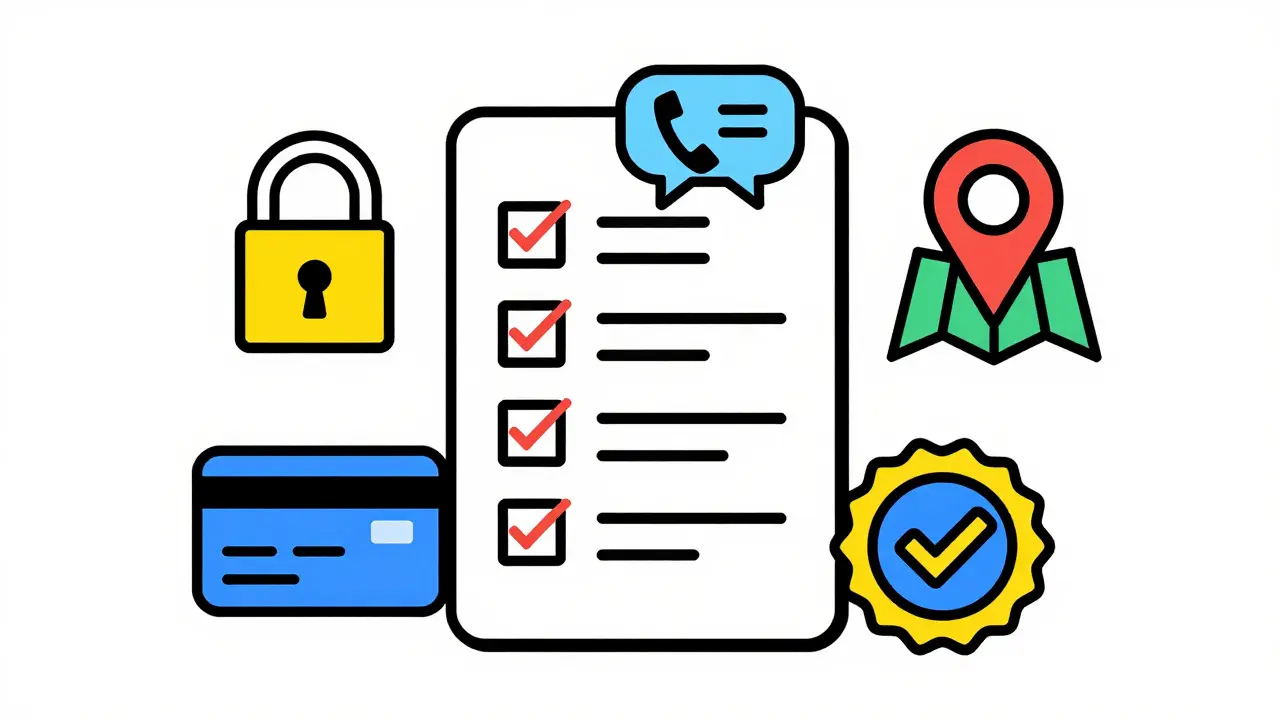
Before you enter your credit card, ask yourself:- Do I have a valid prescription from my doctor?
- Is the pharmacy listed on NABP’s Safe Site Search?
- Can I call a real pharmacist?
- Is the URL https:// and does it have a padlock icon?
- Does the pharmacy accept credit cards-not Bitcoin or wire transfers?
- Can I find their physical address on Google Maps?
If you answered "no" to any of these, don’t buy. There’s no shortcut to safety. And no amount of discount will make a fake pharmacy worth your life.
Can I trust online pharmacies that say they’re "FDA approved"?
No. The FDA doesn’t approve online pharmacies-they approve individual drugs. Only the NABP’s VIPPS program certifies online pharmacies. If a site says "FDA approved," it’s misleading you. Always check the NABP Safe Site Search Tool to verify.
Are Canadian online pharmacies safe?
Some are, but many aren’t. Over 40% of websites claiming to be Canadian pharmacies are actually based in other countries. To verify, check the pharmacy’s license through the official provincial pharmacy regulator-like Alberta College of Pharmacists or Ontario College of Pharmacists. Also confirm they’re listed on PharmacyChecker.com or have a .pharmacy domain.
What if I can’t find my medication at a licensed pharmacy?
Licensed pharmacies don’t sell every drug-especially controlled substances or those with strict storage needs. If you can’t find your medication, talk to your doctor. They may be able to prescribe an alternative or help you find a specialty pharmacy that handles it legally. Never settle for a site that doesn’t require a prescription.
Do licensed online pharmacies ship internationally?
Most VIPPS-accredited U.S. pharmacies only ship within the U.S. Some PharmacyChecker-accredited pharmacies in Canada or the UK may ship to other countries, but importing prescription drugs into the U.S. from overseas is technically illegal unless it’s for personal use and meets FDA exceptions. Always check your country’s laws before ordering.
How often are licensed pharmacies re-inspected?
VIPPS-accredited pharmacies are reviewed annually by the NABP, and many undergo surprise inspections. PharmacyChecker conducts mystery shopping visits and re-audits every 12 to 18 months. If a pharmacy fails, they’re removed from the directory immediately.
Next Steps: Protect Yourself
Start today. Bookmark the NABP Safe Site Search Tool and PharmacyChecker.com. Add them to your browser’s favorites. Before you buy any medication online, run the pharmacy through both. If you’re helping an older relative, walk them through the steps. A 10-minute check could save a life.The truth is, you don’t need to choose between affordability and safety. You just need to know where to look. And now, you do.


