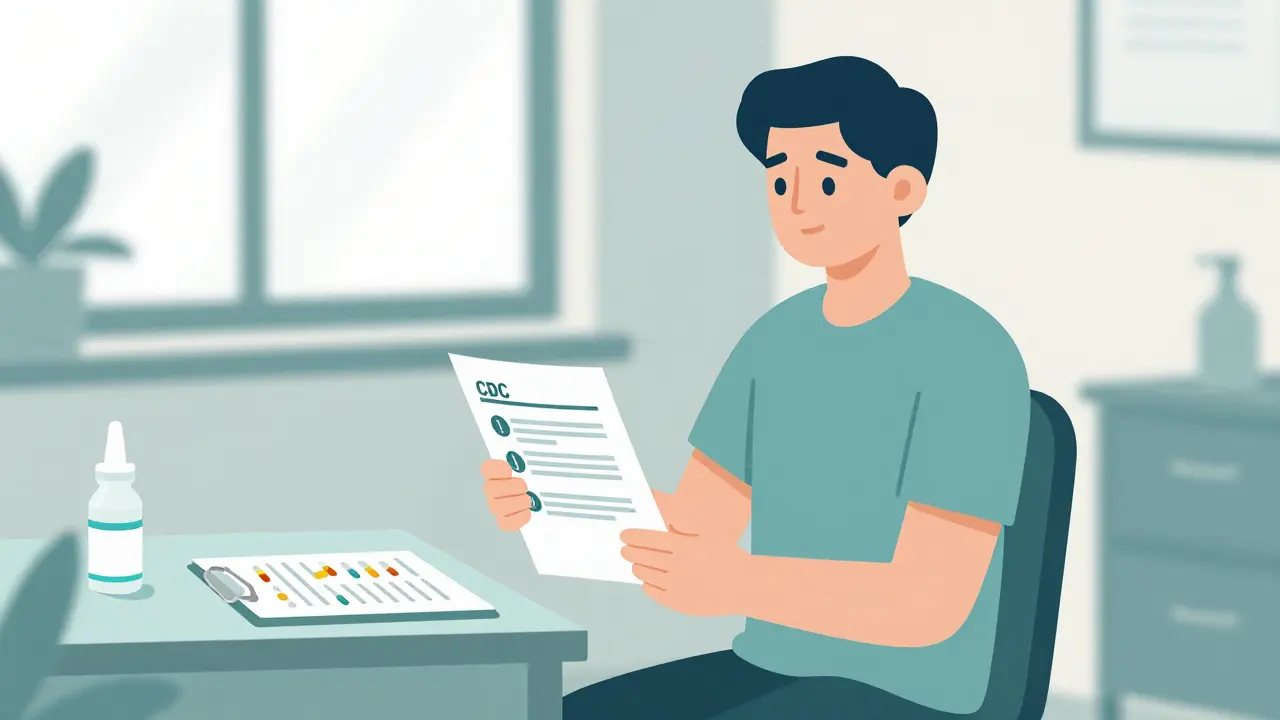

It’s hard to bring up overdose risk with your doctor-not because you don’t care about your safety, but because you’re afraid of being judged. You’ve taken your meds as prescribed. You’re not using heroin. You’re not a ‘drug seeker.’ But you still worry. Maybe you’ve mixed painkillers with alcohol. Maybe you’ve missed doses and doubled up. Maybe you’ve seen someone overdose and now you’re scared it could happen to you. You want to ask for naloxone. You want to talk about your risks. But you don’t know how to say it without feeling like you’re confessing to something shameful.
Why This Conversation Matters More Than You Think
Every day in the U.S., 78 people die from opioid overdoses. That’s not just a statistic-it’s someone’s parent, sibling, neighbor, or friend. And most of those deaths are preventable. Naloxone, the medication that reverses opioid overdoses, works fast, is safe, and can be carried like an EpiPen. But only 1 in 5 people who could benefit from it actually have it. Why? Because too many patients don’t ask. And too many doctors don’t offer. The problem isn’t just lack of awareness. It’s stigma. Even today, 43% of healthcare providers hold negative views about people who use substances. They might not say it out loud, but their tone, their silence, their rushed appointments tell you they think you’re to blame. That’s why you need a plan-not just to talk, but to be heard.Start With Your Language-It Changes Everything
The words you use shape how your doctor hears you. Say you’re an “addict.” That label sticks. Say you’re a “person with a substance use disorder.” That’s clinical, accurate, and human. Research from Johns Hopkins shows that using person-first language increases the chance your doctor will respond with compassion by 37%. Here’s what to avoid:- “I’m addicted.”
- “I can’t stop.”
- “I’m a junkie.”
- “I have a substance use disorder.”
- “I’m managing my pain with medication, and I want to make sure I’m safe.”
- “I’ve been thinking about overdose prevention because I care about my health.”
Be Specific-Doctors Respond to Facts, Not Fear
Vague worries don’t get action. “I’m scared I might overdose” sounds emotional. “I take 40 mg of oxycodone daily, sometimes with alcohol, and I’ve had two near-misses in the last year” sounds like a medical concern. Before your appointment, write down:- All medications you take (including doses and how often)
- Any alcohol, benzodiazepines, or street drugs you use
- When and why you use them (e.g., “I take extra pills when I can’t sleep”)
- Any recent changes in your health or routine
Ask for Naloxone Like You’d Ask for a Flu Shot
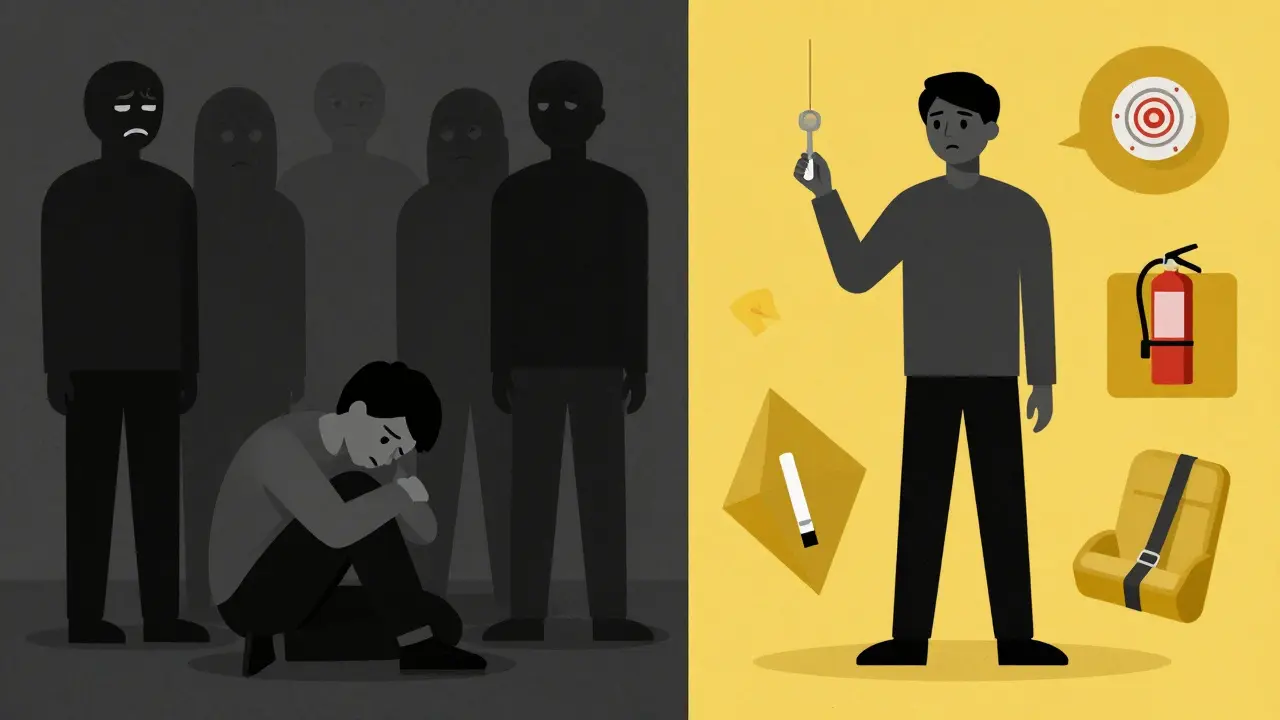
Naloxone isn’t a sign you’re failing. It’s a safety net. Dr. Sarah Wakeman from Massachusetts General Hospital says: “Think of it like a fire extinguisher. You don’t wait until your house is burning to get one.” Say this:“As part of my comprehensive care plan, I’d like to discuss overdose prevention strategies-including naloxone. I want to have it on hand, just like I have a glucagon kit for my diabetes.”This works. A 2021 JAMA study found that patients who used this exact phrase were 62% more likely to get naloxone than those who said, “I’m worried I might overdose.” And here’s the good news: since 2023, generic naloxone nasal spray costs just $25 per kit-down from $130. Most insurance covers it. If yours doesn’t, ask your pharmacy. Many offer it for free through public health programs.
Prepare for Pushback-And Know How to Respond
Not every doctor will respond well. Some will say things like:- “Why would you need that? Are you using heroin?”
- “You’re just looking for drugs.”
- “You’re not a real patient.”
- If they assume you’re using street drugs: “I’m on a prescription. I’m not using heroin. But I’m still at risk because of how I take my meds.”
- If they minimize your risk: “The CDC says anyone taking opioids long-term should be offered naloxone. I’m not asking because I think I’ll overdose-I’m asking because I want to be prepared.”
- If they seem judgmental: “I’m concerned about being judged. That’s why I’m being direct. I need your help, not your assumptions.”
Use the Right Tools-You’re Not Expected to Do This Alone
You don’t have to wing it. There are free, evidence-based resources made for people like you:- SMART Recovery hosts weekly online meetings to help you prepare for doctor visits. Over 1,200 people join each month.
- SAMHSA’s National Helpline (1-800-662-4357) offers free, confidential coaching. In 2022 alone, they handled nearly 300,000 calls.
- The CDC’s Stigma Reduction Toolkit has printable talking points you can bring to your appointment.
- Reverse Overdose Oregon’s Media Toolkit offers scripts tested with real patients-no guesswork.
It’s Not Just About You-It’s About Changing the System
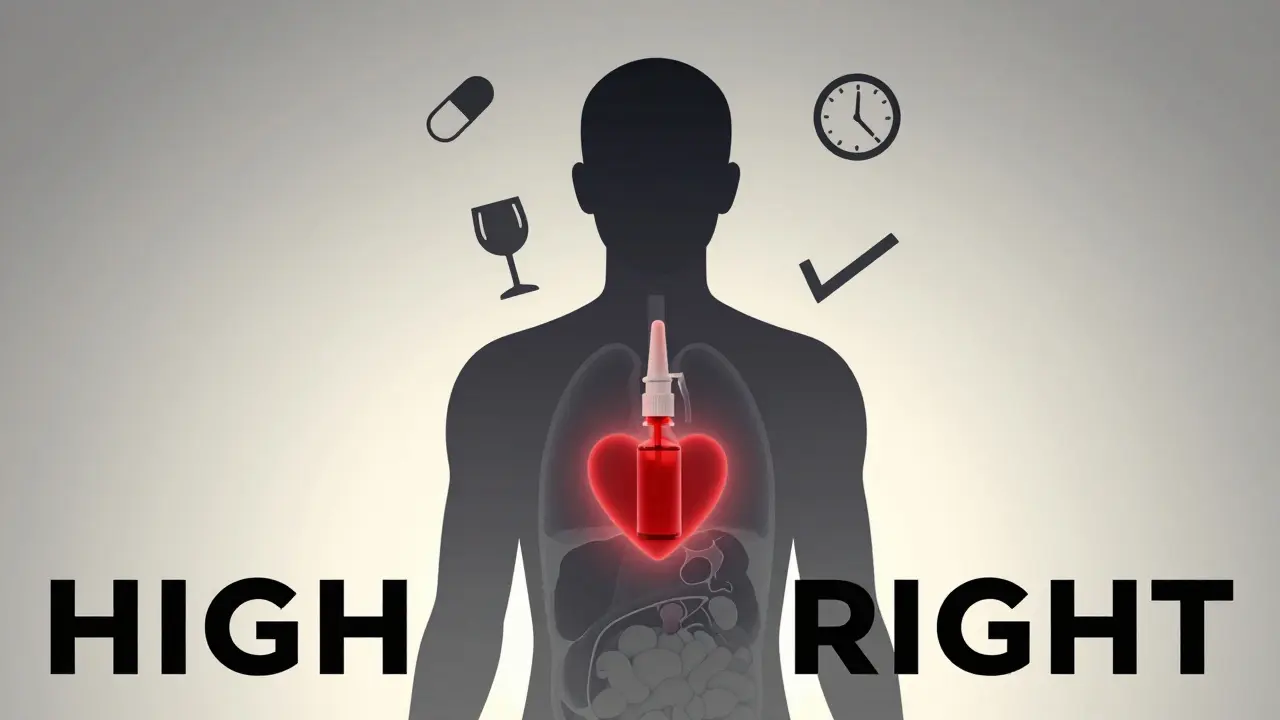
The system is slowly changing. Since 2021, the X-waiver for prescribing buprenorphine is gone. Over a million doctors can now treat opioid use disorder. The FDA approved cheaper naloxone. The CDC now says: everyone on opioids should be screened for overdose risk-not just those “at high risk.” But progress depends on patients speaking up. Every time you ask for naloxone without shame, you normalize it. Every time you correct a doctor’s language, you help them learn. Every time you bring your facts, your timeline, your calm voice-you make it easier for the next person. This isn’t about being perfect. It’s about being brave enough to say: “I care about my life, and I need help keeping it.”What If Your Doctor Still Won’t Help?
If your doctor refuses, dismisses you, or makes you feel worse-you have options.- Ask for a referral to a provider trained in addiction medicine. Many clinics now specialize in this.
- Go to a federally qualified health center (FQHC). 65% of them have stigma-reduction protocols built in.
- Call SAMHSA’s helpline. They can connect you to a provider who understands.
- Consider telehealth. Some online clinics offer naloxone prescriptions without judgment.
Final Thought: You’re Not Asking for Permission to Live
You’re not asking for permission to take your meds. You’re not asking for permission to be scared. You’re not asking for permission to want to survive. You’re asking for the same thing every diabetic, every asthmatic, every person with heart disease asks for: a plan to stay safe. Naloxone isn’t a reward for being “good.” It’s a tool. Like a seatbelt. Like a smoke detector. You don’t need to earn it. You just need to ask for it. And you deserve to be heard.Can I get naloxone without a prescription?
Yes. In most U.S. states, naloxone is available over the counter at pharmacies without a prescription. Many pharmacies also offer it for free through public health programs. You can ask the pharmacist directly: “Do you have naloxone available without a prescription?”
What if I’m not on opioids but still worry about overdose?
You don’t need to be on opioids to be at risk. Mixing alcohol, benzodiazepines, sleep aids, or even some antidepressants with opioids-even small amounts-can cause a fatal overdose. If you use any substances together, you’re at risk. Naloxone is safe to have on hand even if you’re not sure you’ll need it.
Will my doctor report me if I admit to using street drugs?
No. Doctors are bound by patient confidentiality. They cannot report you to law enforcement for substance use unless you’re a danger to yourself or others, or if a child is at risk. Their goal is to help you stay alive-not to punish you. Being honest gives them the information they need to protect you.
How do I know if I’m at risk for overdose?
You’re at higher risk if you: take opioids daily, use more than prescribed, mix them with alcohol or sedatives, have a history of overdose, live alone, or have recently reduced your tolerance (like after detox or jail). But even one of these factors increases your risk. The CDC says all patients on long-term opioids should be offered naloxone-no exceptions.
Can my family help me with this conversation?
Yes. Bring a trusted friend or family member to your appointment. They can help you remember your questions, take notes, or speak up if you feel overwhelmed. Many people find it easier to talk when they’re not alone. You’re not weak for asking for support-you’re smart.


