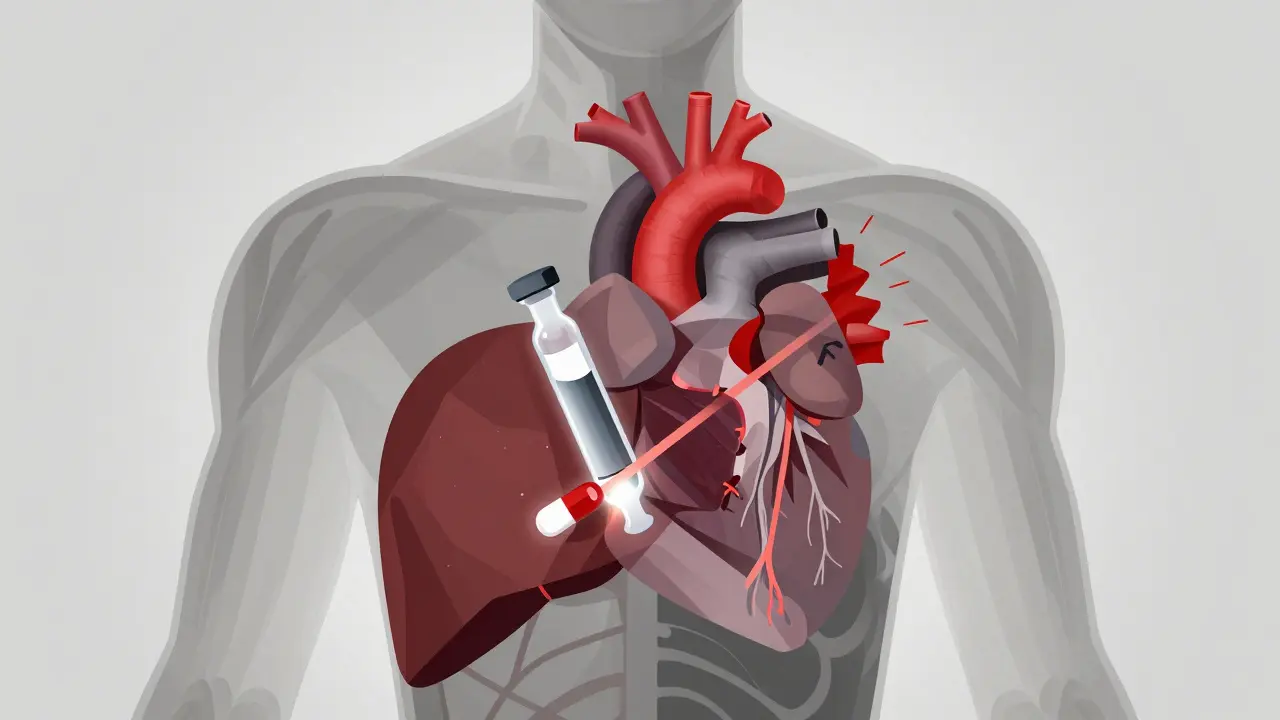

When you're managing diabetes with insulin, every dose is a balancing act. But when you're also taking a beta-blocker for high blood pressure or heart disease, that balance gets dangerously fragile. The real danger isn't just low blood sugar-it's not feeling it coming. This is called hypoglycemia unawareness, and when insulin and beta-blockers mix, it becomes a silent threat that can turn deadly.
Why You Might Not Feel Your Blood Sugar Dropping
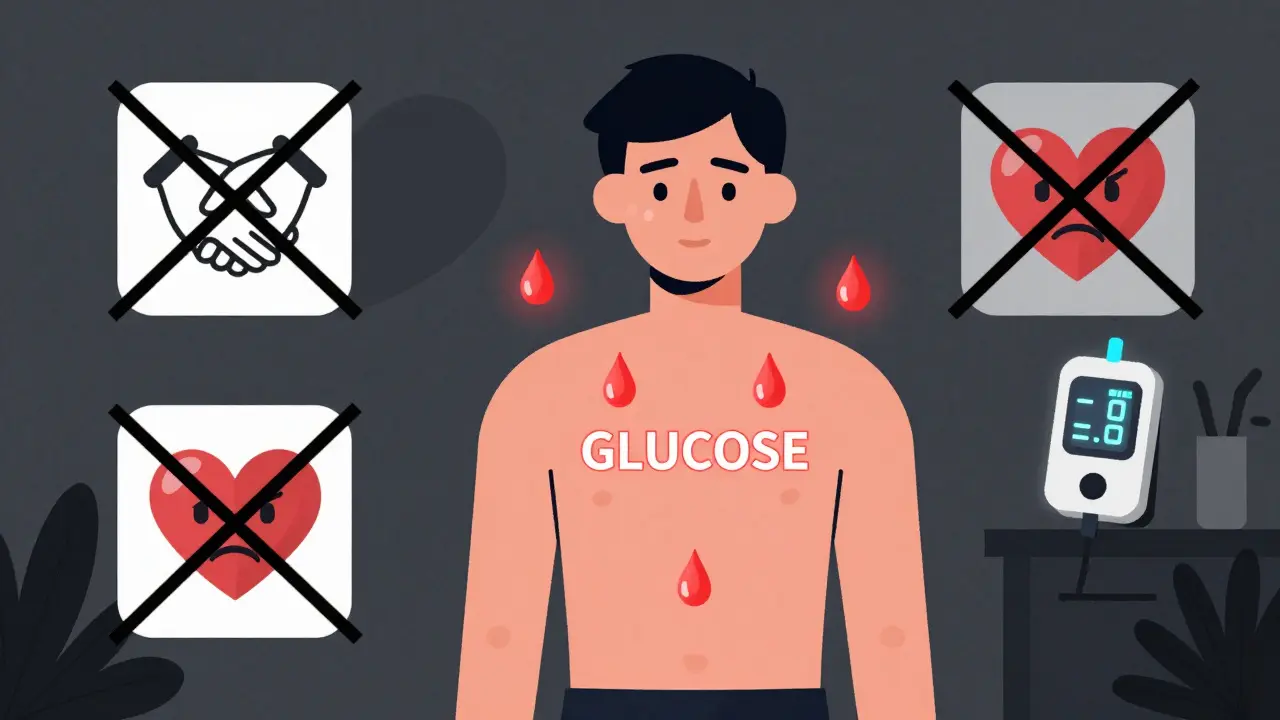
Your body has a built-in alarm system for low blood sugar. When glucose falls too low, it triggers a flood of adrenaline. That’s what gives you the shaky hands, racing heart, sweating, and sudden anxiety-classic warning signs. But beta-blockers? They silence those alarms. Specifically, they block adrenaline’s effects on your heart and muscles. That means the telltale signs of hypoglycemia vanish. You don’t feel your heart pounding. You don’t feel your palms sweating (or at least not as much). And suddenly, you’re headed into a dangerous drop without a single clue.This isn’t theoretical. Around 40% of people with type 1 diabetes develop hypoglycemia unawareness over time. For those on beta-blockers, the risk spikes. Studies show that nearly 25% of hospitalized diabetic patients are on both insulin and beta-blockers. That’s a huge group walking around with their body’s emergency signals turned off.
The Hidden Danger: It’s Not Just Masking Symptoms
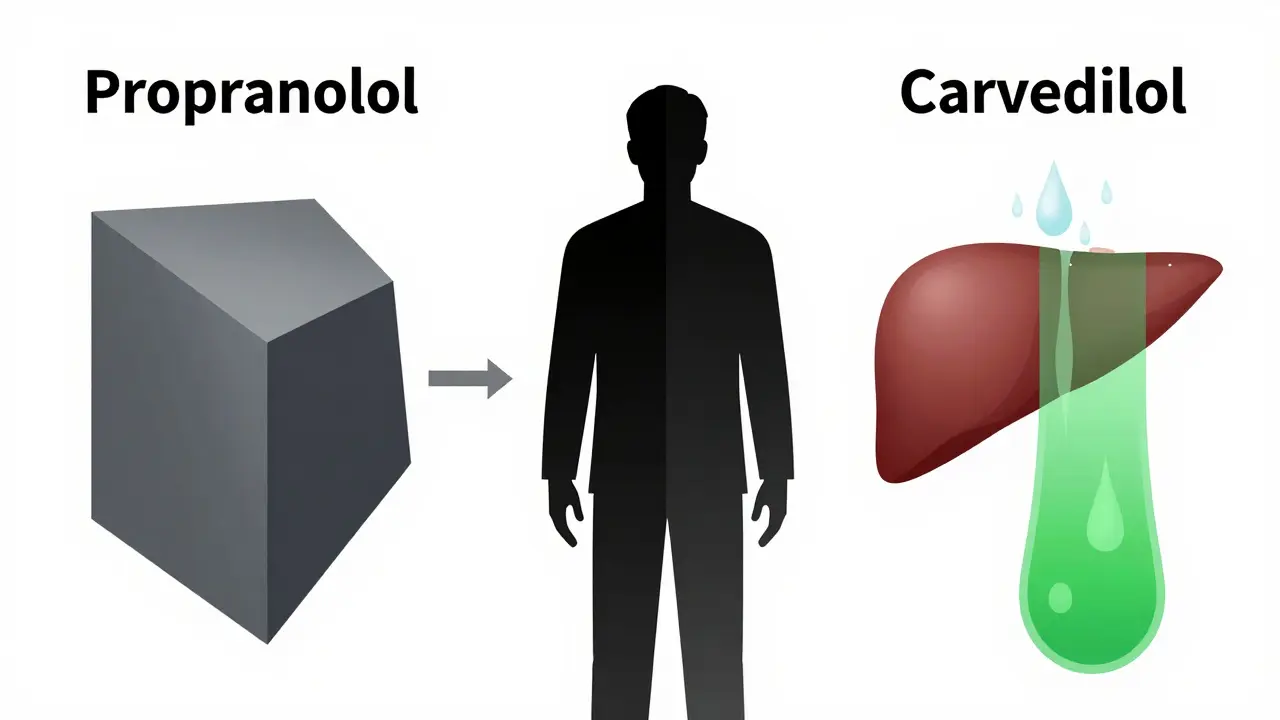
Most people think beta-blockers just hide the symptoms. But they do something worse-they stop your body from fixing the problem. Beta-blockers don’t just mute the alarm; they disable the repair crew. Specifically, they block beta-2 receptors in the liver and muscles. That’s the exact system your body uses to release stored glucose when your blood sugar crashes. So while your brain is screaming “I’m low!” (if it could), your liver is frozen, unable to respond. This double hit-no warning signs + no glucose rescue-creates the perfect setup for a severe, potentially fatal, low blood sugar episode.And here’s the kicker: not all beta-blockers are the same. Non-selective ones like propranolol are the worst offenders. They block every beta receptor in your body, wiping out nearly all warning signs. But even the “safer” cardioselective beta-blockers like metoprolol or atenolol still carry risk. Research from Dungan’s 2019 study found that patients on these drugs had over twice the odds of hypoglycemia compared to those not on beta-blockers. And in the hospital? 68% of all beta-blocker-related lows happen within the first 24 hours.
One Warning Sign That Still Works
There’s one sign that beta-blockers can’t block: sweating. That’s because sweating is controlled by acetylcholine, not adrenaline. So if you’re on a beta-blocker and insulin, your body’s last honest signal is still your skin. If you suddenly feel clammy or drenched without exertion, that’s your cue. Not a mild chill. Not a warm room. Real, unexplained sweating. That’s your body screaming: “Check your glucose now.”Yet many patients don’t know this. They’ve been taught to watch for shakiness or dizziness. When those don’t happen, they assume everything’s fine. That’s how people end up passing out or having seizures. The Diabetes Technology Society made this crystal clear in 2021: every patient starting a beta-blocker needs to be trained on this one fact-sweating is your new warning sign.
Carvedilol: The Safer Choice?
Not all beta-blockers are created equal. Carvedilol stands out. It’s not just a beta-blocker-it’s also an alpha-blocker. This dual action seems to reduce its interference with glucose regulation. Studies show carvedilol carries a lower risk of hypoglycemia than metoprolol. In fact, the 2022 American College of Cardiology guidelines point to a 17% reduction in severe low blood sugar events when patients switch from metoprolol to carvedilol. For people with diabetes who need a beta-blocker, carvedilol is increasingly becoming the first choice-especially if they’ve had prior hypoglycemia episodes or already have unawareness.Monitoring: Your Lifeline
If you’re on insulin and a beta-blocker, guessing your blood sugar is no longer an option. You need data. Continuous glucose monitoring (CGM) has become essential. Since 2018, usage among this group has jumped 300%. Why? Because CGM doesn’t rely on how you feel. It tells you what your glucose is doing, hour by hour. And it works. Studies show CGM cuts severe hypoglycemia events by 42% in people on this combo. That’s not a small win-it’s life-saving.Hospital guidelines now demand frequent checks: every 2 to 4 hours for inpatients. But even at home, you need to be proactive. Set alarms on your CGM. Test with a fingerstick if you feel off-even if you don’t feel “low.” Don’t wait for symptoms. In fact, if you’ve had a low before, you should test before driving, before meals, and before bed. No exceptions.
The Bigger Picture: Heart Risk vs. Low Blood Sugar Risk
This is the hardest part. People with diabetes have a 2 to 4 times higher risk of heart disease. Beta-blockers reduce death after a heart attack by 25%. They cut the risk of future heart events. Stopping them because of hypoglycemia fear isn’t the answer. The goal isn’t to avoid beta-blockers-it’s to manage the risk smarter.That’s why guidelines from the American Heart Association and European Society of Cardiology say: keep the beta-blocker, but change how you monitor. Use CGM. Switch to carvedilol if possible. Educate yourself on sweating. Test more often. Don’t assume you’ll feel it. Because you won’t.
What You Can Do Right Now
- If you’re on insulin and a beta-blocker, ask your doctor if you’re on the safest type-carvedilol is preferred.
- If you’re on a non-selective beta-blocker like propranolol, ask if switching is possible.
- Start using a continuous glucose monitor if you aren’t already. It’s not a luxury-it’s a necessity.
- Teach yourself and your family: sweating = low blood sugar. No shaking? No problem. If you’re sweating out of nowhere, test.
- Keep fast-acting glucose (glucose tabs, juice, candy) with you at all times. And don’t wait to use it.
- Set reminders to check your blood sugar before meals, before bed, and after exercise.
There’s no magic fix. But there’s a clear path to safety. It’s not about avoiding treatment. It’s about treating smarter.
What’s Next? Personalized Medicine
Researchers are now looking at genetics to predict who’s most at risk. The 2023 DIAMOND trial is testing whether certain gene markers can identify people who are far more likely to develop hypoglycemia unawareness when on beta-blockers. If this works, we could one day tailor prescriptions based on your DNA-not just your blood pressure or heart rate. That’s the future. But today, the tools we have are already powerful. Use them.Can beta-blockers cause low blood sugar on their own?
Beta-blockers don’t directly cause low blood sugar, but they make it much harder for your body to recover from it. They block the liver’s ability to release stored glucose and stop your body from signaling the low. So while they don’t drop your sugar, they prevent your body from fixing it when it does drop-especially when combined with insulin.
Should I stop my beta-blocker if I’m on insulin?
No. Stopping a beta-blocker without medical advice can be dangerous, especially if you have heart disease. Instead, talk to your doctor about switching to carvedilol, using a continuous glucose monitor, and learning to recognize sweating as your warning sign. The benefits of beta-blockers for heart health often outweigh the risks-when managed properly.
Is sweating the only warning sign left if I’m on a beta-blocker?
Yes, sweating is the most reliable remaining warning sign. Other symptoms like shakiness, rapid heartbeat, and anxiety are blocked by beta-blockers. If you feel sudden, unexplained sweating-especially without heat or activity-test your blood sugar immediately. Don’t ignore it.
Why is carvedilol considered safer than other beta-blockers for people with diabetes?
Carvedilol blocks both beta and alpha receptors, which seems to interfere less with glucose production and counter-regulatory responses. Studies show it causes fewer hypoglycemia events than metoprolol or atenolol. It’s now recommended as a first-line choice for diabetic patients who need a beta-blocker, especially those with a history of low blood sugar.
How often should I check my blood sugar if I’m on insulin and a beta-blocker?
At minimum, check before meals, before bed, and after exercise. If you’re in the hospital, checks every 2-4 hours are standard. If you have hypoglycemia unawareness, check even more often-especially if you feel “off,” even slightly. A continuous glucose monitor (CGM) is the best tool to avoid dangerous lows.


