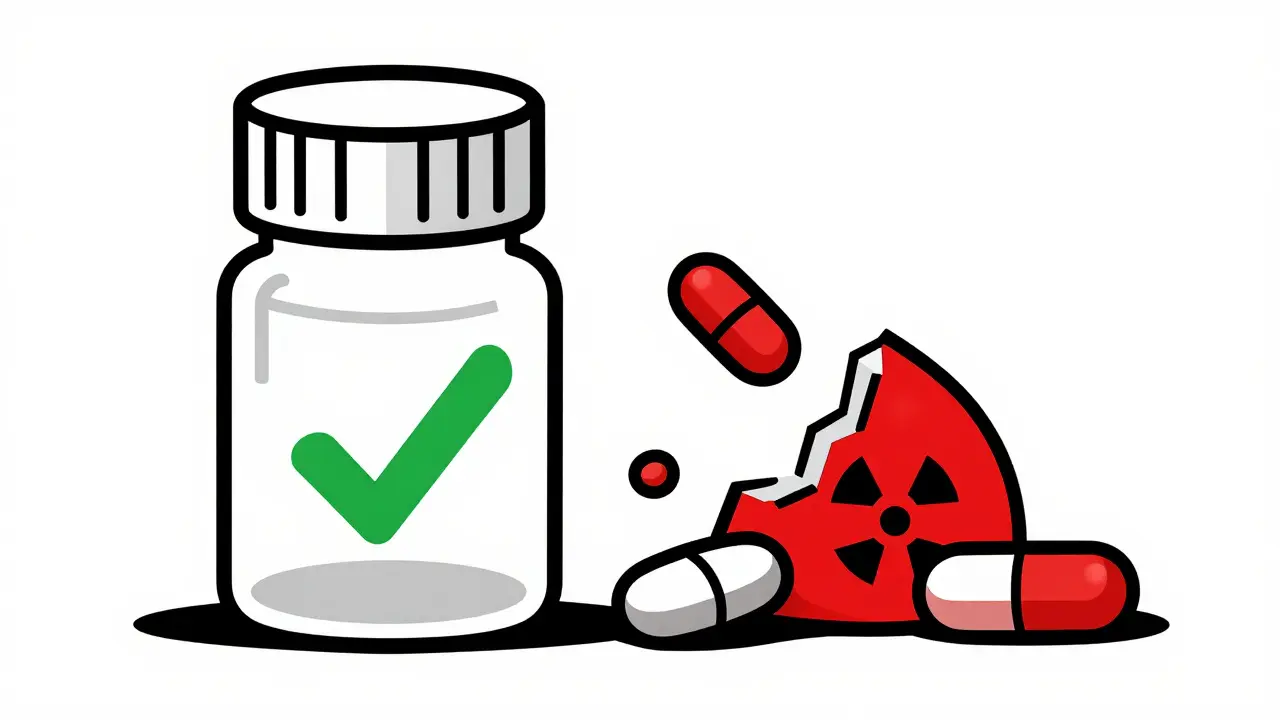

Every year, millions of people around the world take medicines they think are real-only to find out too late that they’re fake. These aren’t just poor-quality copies. Counterfeit drugs can contain no active ingredient at all, the wrong dose, or even toxic chemicals. And when that happens, the fallout isn’t just medical-it’s financial, legal, and sometimes deadly. For companies in the pharmaceutical supply chain, from manufacturers to distributors to pharmacies, counterfeit drugs are one of the most dangerous and costly risks they face today.
What Exactly Are Counterfeit Drugs?
The World Health Organization defines falsified medicines as products that deliberately misrepresent their identity, composition, or source. That means a pill could be labeled as Gleevec for leukemia, but inside it’s chalk, sugar, or worse-industrial solvents. These aren’t just sold on shady websites. They’ve infiltrated legitimate supply chains, sometimes slipping past inspections and even entering hospitals. Cancer drugs like Avastin, Keytruda, and Xeloda are especially targeted. Why? Because they’re expensive, in high demand, and hard to verify without lab testing. In 2025, Roswell Park Cancer Institute reported that over 80% of counterfeit oncology drugs found in Europe and North America were designed to mimic these exact brands. Patients don’t just waste money-they risk dying.How Do Counterfeit Drugs Get Into the Supply Chain?
It starts with gaps in tracking. Even with regulations like the U.S. Drug Supply Chain and Security Act (DSCSA), which required full electronic tracing of prescription drugs by November 2023, the system isn’t perfect. Small distributors, overseas suppliers, and online pharmacies often operate in the shadows. Criminal networks exploit weak enforcement in low- and middle-income countries, then ship fake drugs into global markets through complex, layered distribution routes. Some counterfeiters even forge packaging, batch numbers, and QR codes to look legitimate. Pfizer’s Global Security team has intercepted counterfeit versions of their drugs that were indistinguishable from the real thing-until lab analysis revealed the active ingredient was missing or diluted. And here’s the scary part: inspectors can’t test every pill. As one industry expert put it, “Conceivably there is no way that you are going to be able to monitor every single pill or capsule.”Insurance Coverage: What’s Actually Protected?
Most companies in the pharmaceutical supply chain carry professional liability, product liability, and errors and omissions insurance. But here’s the catch: these policies only kick in if the company had no knowledge of the counterfeit drugs and didn’t intentionally sell them. If a pharmacy unknowingly buys fake Avastin from a supplier who forged documents, their insurance might cover patient lawsuits, recall costs, and legal fees. But if they ignored red flags-like a price that’s 70% lower than market rate, or a supplier with no verifiable history-the insurer can deny the claim. Beazley, a major underwriter in life sciences, says the biggest risk isn’t fraud-it’s negligence. Companies that don’t verify their suppliers, skip batch documentation, or ignore warnings from regulatory bodies are on their own. Insurance isn’t a shield for bad practices. It’s a safety net for honest mistakes.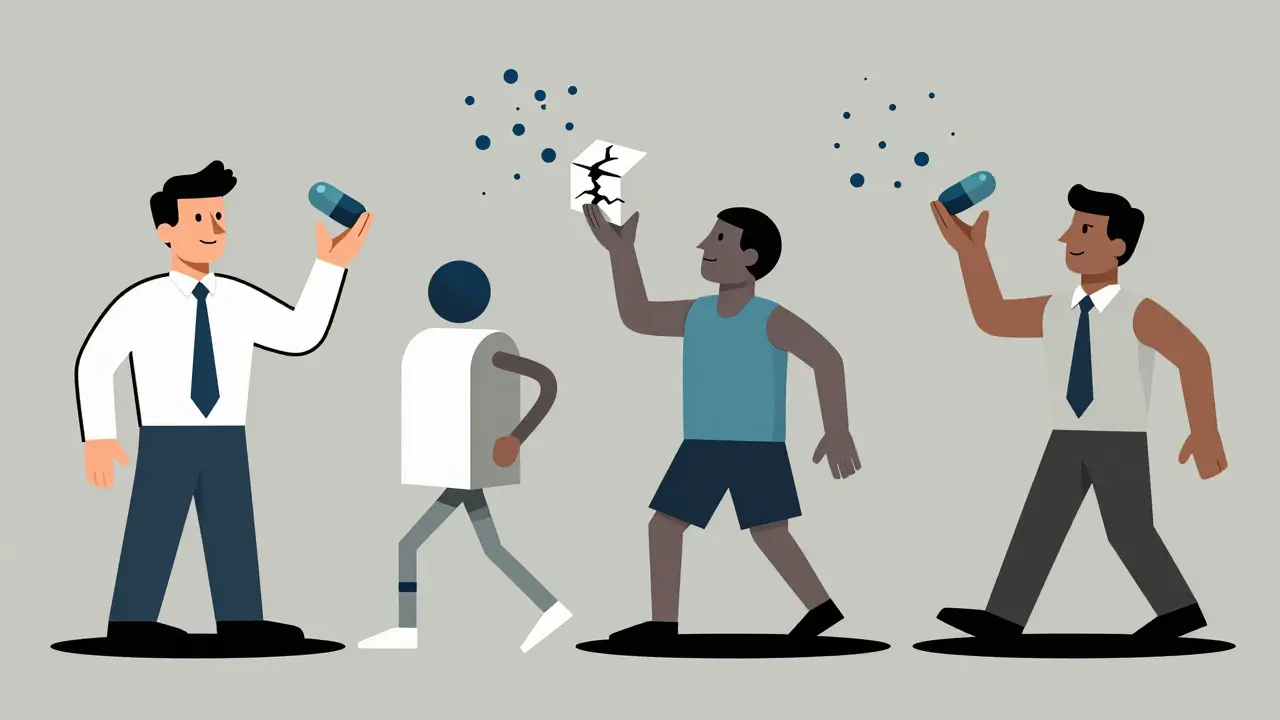
What Insurance Doesn’t Cover
There are hard limits. Insurance won’t pay for:- Costs from knowingly selling counterfeit drugs
- Fines from regulatory violations due to poor internal controls
- Loss of reputation or lost sales from brand damage
- Legal action from patients in countries without strong liability laws
How Companies Are Fighting Back
Smart companies aren’t waiting for insurance to save them. They’re investing in prevention. Bristol Myers Squibb runs a team that scans millions of webpages daily looking for illegal sales of their drugs. They’ve shut down 93% of the fake sites they’ve found. Sanofi has a dedicated anti-counterfeit lab that analyzes suspect products in real time. Pfizer uses advanced spectroscopy and AI to detect fakes faster than ever before. These aren’t just good practices-they’re insurance perks. Companies that use RFID tracking, blockchain verification, or real-time authentication tools often get lower premiums. Insurers see them as lower risk. The FDA now recommends imprinting unique identifiers on pills, and some insurers are starting to require it for coverage.The Global Patchwork of Laws
Regulations vary wildly. In the U.S., the DSCSA is strict. In the EU, the Medicrime Convention (which took effect in January 2016) makes counterfeiting a criminal offense with real penalties. But in many countries, enforcement is weak or nonexistent. That creates a nightmare for insurers. A company based in the UK might be fully compliant, but if they source from a supplier in Southeast Asia with no traceability, they’re still exposed. Cross-border claims are messy. Insurance policies often exclude coverage for losses tied to unregulated markets-unless the company can prove they did due diligence. The IFPMA estimates that counterfeiting is a $200 billion-a-year industry. And the biggest driver? The demand for affordable medicines. People in low-income regions, desperate for treatment, buy from unverified online sellers. Criminals know this-and they’re getting smarter.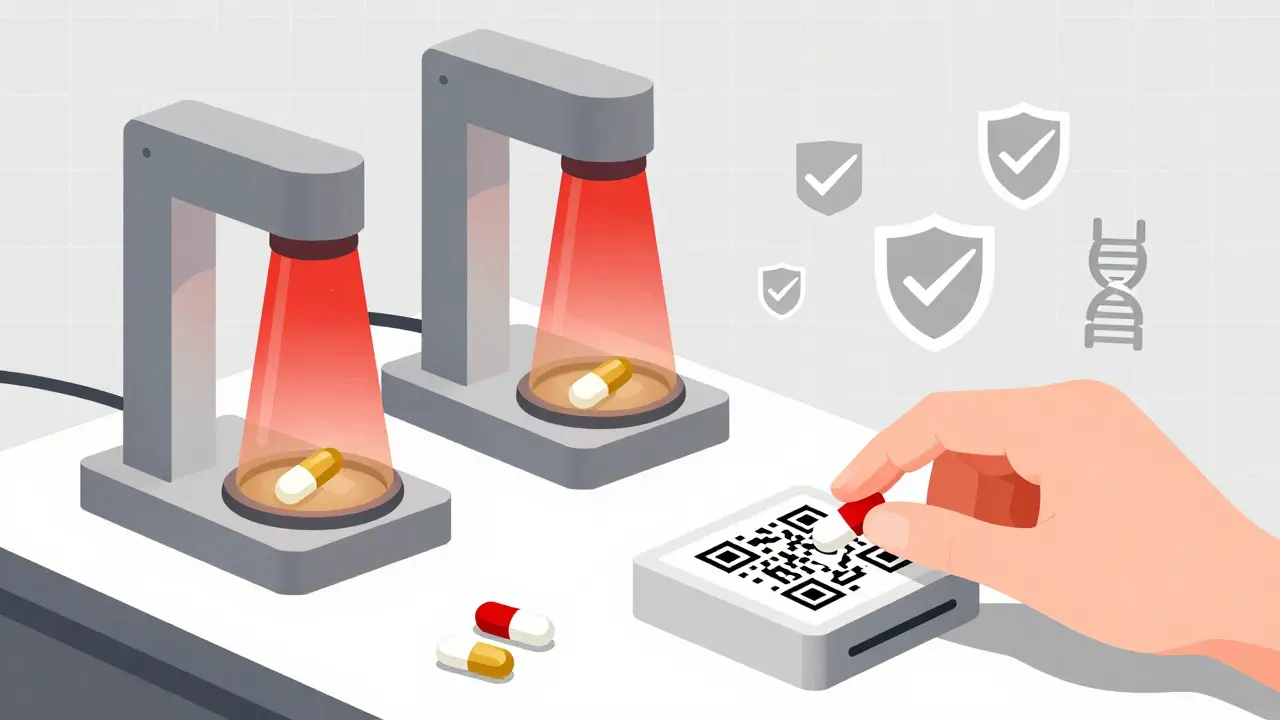
What You Can Do to Stay Protected
If you’re in the pharma business, here’s what actually works:- Only work with suppliers who provide full documentation-batch numbers, certificates of analysis, and chain-of-custody records.
- Use verification tools like QR codes, holograms, or blockchain-based tracking systems.
- Train staff to spot red flags: prices that seem too good to be true, packaging that looks off, or suppliers who refuse to answer questions.
- Document everything. If you’re ever questioned, your paper trail is your best defense.
- Ask your insurer: “What specific controls do you require for coverage?” Don’t assume your policy covers everything.
The Bigger Picture: Why This Matters
Counterfeit drugs don’t just hurt companies-they hurt patients. A 2014 study in PubMed found that fake medicines lead to deaths, wasted income, and reduced investment in real drug development. When people lose faith in medicine, they stop taking their prescriptions. That leads to worse health outcomes, higher hospitalization rates, and more strain on public health systems. Insurance can help cover the costs after something goes wrong. But it can’t undo a patient’s death or restore trust in a brand. The real protection comes from vigilance, technology, and accountability. The fight against counterfeit drugs isn’t just about law enforcement or insurance claims. It’s about making sure the next pill someone takes is the one it’s supposed to be.Does insurance cover me if I unknowingly sell counterfeit drugs?
Yes-but only if you can prove you had no knowledge of the counterfeit product and followed industry-standard due diligence. That means verifying suppliers, checking documentation, and using traceability tools. If you ignored warning signs or cut corners, your insurer can deny the claim.
What types of insurance protect against counterfeit drug risks?
Product liability insurance covers lawsuits from patients harmed by fake drugs. Professional liability and errors and omissions insurance cover legal costs and regulatory fines if you’re accused of negligence. Some policies also include recall expense coverage, which helps pay for retrieving and destroying counterfeit products.
Can I get insurance if I buy drugs from overseas suppliers?
You can, but it’s harder. Insurers will ask for proof of supplier vetting, batch testing, and compliance with international standards like GDP (Good Distribution Practices). If your suppliers are in countries with weak regulation, you may need to pay higher premiums or accept coverage limits.
Are online pharmacies more likely to sell counterfeit drugs?
Yes. The IFPMA estimates that 50% of online pharmacies are illegal, and 80% of drugs sold through them are counterfeit. Even sites that look legitimate often operate without proper licensing. Insurers treat businesses that sell directly online as higher risk and may require additional safeguards like VIPPS certification or real-time authentication tools.
How do counterfeit drugs affect insurance premiums?
Companies with strong anti-counterfeit measures-like lab testing, blockchain tracking, or dedicated security teams-often get lower premiums. Insurers see them as lower risk. Conversely, businesses with poor supply chain controls or a history of recalls may see premiums jump by 30-50% or be denied coverage altogether.
Is there a difference between counterfeit and substandard drugs?
Yes. Counterfeit drugs are deliberately fake-made to deceive. Substandard drugs are real products that failed quality control, maybe due to poor storage or manufacturing errors. Insurance typically covers both under product liability, but only if the company wasn’t at fault. If you stored drugs improperly and they degraded, that’s negligence-and not covered.
What should I do if I find counterfeit drugs in my inventory?
Immediately quarantine the product, notify your insurer, and report it to regulatory authorities like the FDA or MHRA. Don’t destroy it without documentation-evidence is critical for claims and investigations. Most insurers require prompt reporting to maintain coverage. Delaying could void your policy.
Can I insure against brand damage from counterfeit drugs?
Not directly. Insurance doesn’t cover lost sales or reputation harm from counterfeit products. But companies that actively fight counterfeiting-through public awareness campaigns, legal action, and transparency-often recover brand trust faster. Some insurers now offer advisory services to help with crisis communication as part of their risk management packages.


