
Hydration Calculator for SGLT2 Users
Optimize Your Hydration
Proper hydration dilutes sugary urine and reduces yeast growth. The right amount of water helps flush out excess glucose and lowers infection risk.
Your Recommended Daily Water Intake
___
Why this matters:
"More frequent urination means more flushing. Think of it like rinsing a sticky jar with water. The more you rinse, the less residue stays behind."
When you’re managing type 2 diabetes, choosing the right medication can feel like a balancing act. SGLT2 inhibitors - drugs like Farxiga, a sodium-glucose cotransporter-2 inhibitor that lowers blood sugar by causing the kidneys to remove excess glucose through urine, Jardiance, and Invokana - have become go-to options for millions. Why? Because they don’t just lower blood sugar. They cut heart failure hospitalizations by nearly 40%, slow kidney damage, and help people lose weight. But there’s a catch: these drugs increase your risk of genital infections. Not a big deal for some. For others, it’s a recurring nightmare.
Here’s the truth: about 8 out of every 100 women and 5 out of every 100 men taking an SGLT2 inhibitor will get a fungal infection in their genital area. That’s three times higher than with other diabetes meds. The reason? These drugs make your urine sugary. And sugar, warmth, and moisture? That’s the perfect breeding ground for yeast. Candida doesn’t care if you’re healthy otherwise - if your genital area stays damp and sweet, it’s going to grow.
Why This Happens - And Why It’s Not Just "Bad Hygiene"
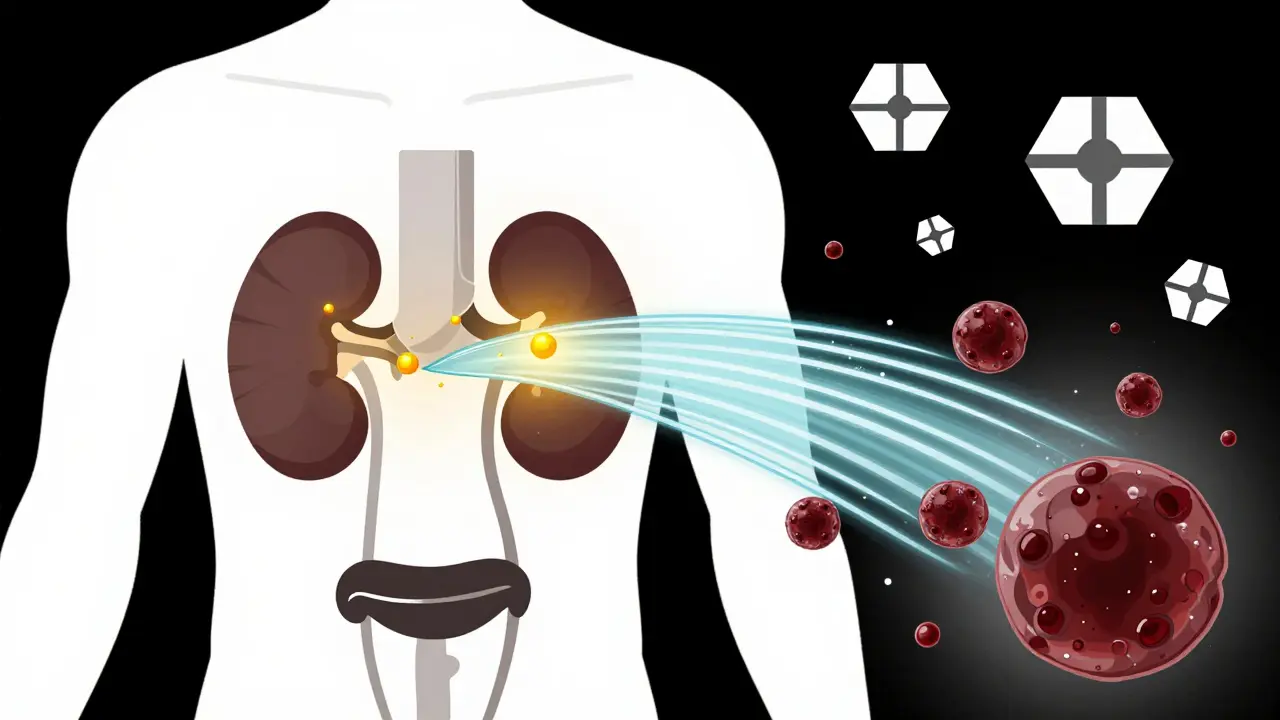
Let’s clear something up right away: this isn’t about being dirty. It’s not about wearing tight jeans or skipping showers. This is a direct side effect of how SGLT2 inhibitors work. Your kidneys, which normally reabsorb glucose back into your bloodstream, are blocked from doing so. So glucose flows out - in your urine. That means your underwear isn’t just damp from sweat. It’s damp from sugar water. And yeast loves that.
Studies show the risk isn’t the same across all these drugs. Canagliflozin (Invokana) has the highest infection rate - up to 12% in women. Dapagliflozin (Farxiga) and Empagliflozin (Jardiance) are a little lower, around 8-10%. Even so, that’s still a real risk. And while most infections are mild - itching, redness, discharge - about 1 in 5,000 people on these drugs may develop something far worse: Fournier’s gangrene. That’s a rare but life-threatening infection of the genitals and surrounding tissue. It doesn’t happen often, but when it does, it moves fast. That’s why prevention isn’t optional. It’s essential.
Hygiene: The Simple Routine That Makes All the Difference
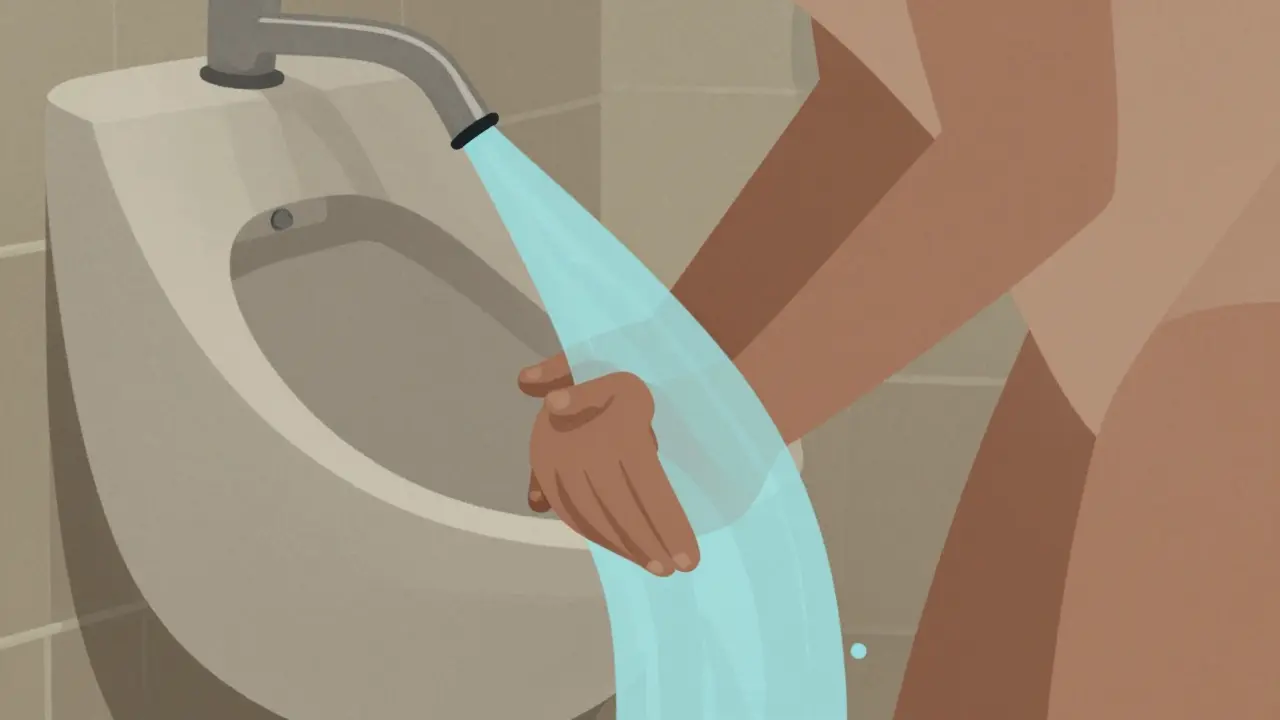
Here’s what actually works - and it’s not complicated. You don’t need special products. You don’t need to shower twice a day. You just need to change one habit: rinse your genital area with water after every time you pee, and again before bed.
That’s it.
Why? Because flushing out the sugary urine right away reduces how long yeast has to feast. A 2019 study found that patients who did this - rinsing after urination and before sleeping - cut their infection risk by 40%. And 92% of them stuck with it. The key? Making it part of your normal routine. Don’t think of it as a chore. Think of it like brushing your teeth. You don’t need to do it perfectly. You just need to do it consistently.
For women: wipe front to back after using the toilet. Never back to front. That’s basic, but it matters. Bacteria from your rectum can easily travel to your urethra and vagina - and with sugary urine around, that’s a recipe for trouble.
For men: if you’re uncircumcised, gently pull back the foreskin before washing. Don’t use soap every time - just water. Harsh soaps or alcohol wipes can dry out your skin and make irritation worse. Mild, unscented soap once a day is fine. But rinse with water after peeing? That’s the non-negotiable.
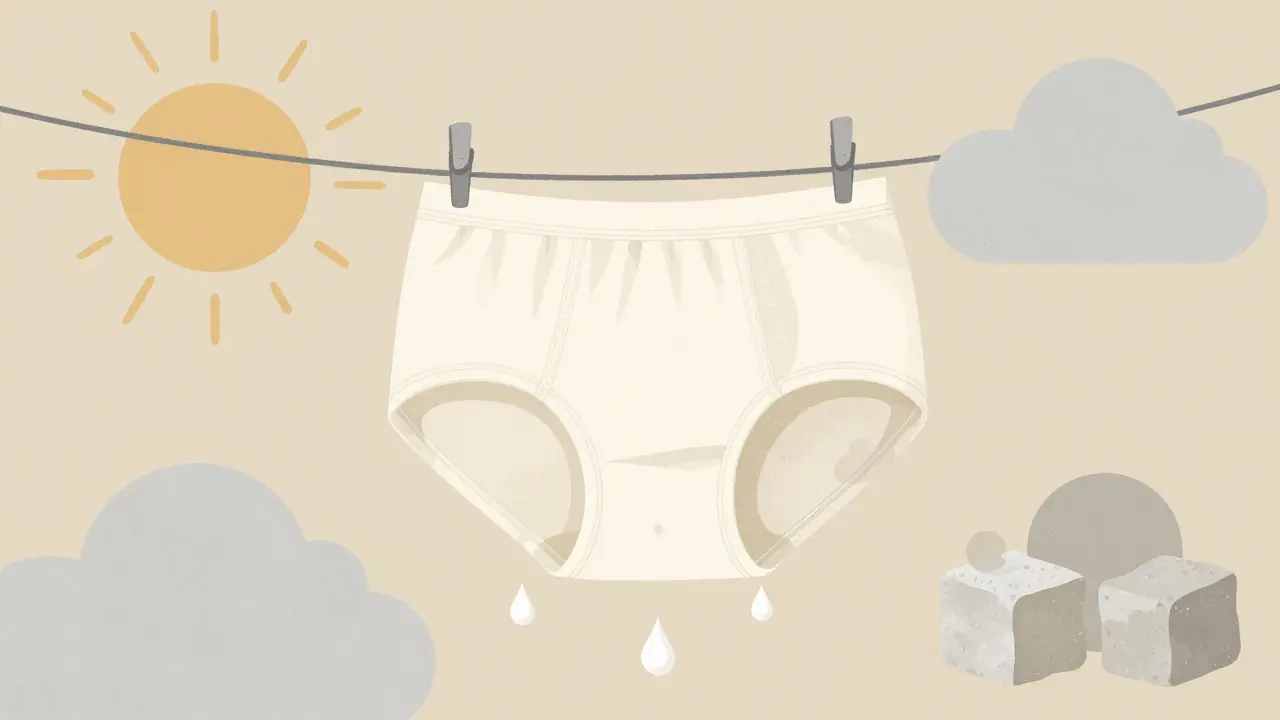
And wear cotton underwear. Always. Synthetic fabrics trap moisture. Cotton lets air through. It’s that simple. Loose-fitting pants help too. No need to buy special underwear - just pick the ones you already own that feel breathable.
Hydration: Dilute the Sugar, Reduce the Risk
Most people don’t realize that how much you drink affects your infection risk. When you’re well-hydrated, your urine is lighter, less concentrated. That means the sugar in your urine is more diluted. Less sugar = less food for yeast.
Most adults should aim for 2 to 3 liters of water a day. That’s about 8-12 cups. If you’re active, in a hot climate, or sweating a lot, drink more. Don’t wait until you’re thirsty. By then, you’re already a little dehydrated.
Some people think drinking more will make them pee more - and yes, it will. But that’s a good thing. More frequent urination means more flushing. Think of it like rinsing a sticky jar with water. The more you rinse, the less residue stays behind.
And skip the sugary drinks. Soda, juice, sweet tea - they spike your blood sugar. That means your kidneys have to work harder to get rid of the extra glucose. That makes your urine even sweeter. Stick to water, herbal tea, or unsweetened drinks.
Timing Matters More Than You Think
It’s not enough to rinse occasionally. Timing is everything. The window of opportunity to prevent infection is within minutes after you urinate. That’s when the sugary urine is still fresh on your skin. Waiting until later - even an hour - gives yeast time to settle in.
That’s why the best practice is two rinses a day: one right after you pee, and one before you go to bed. Bedtime is critical. Overnight, your body is still producing urine. If you go to sleep with sugar lingering, you’re giving yeast 8 hours to grow.
Some patients find it helps to set a phone reminder. Others attach the rinse to an existing habit - like washing hands after the bathroom. One Reddit user in the r/diabetes community said they started rinsing after they washed their hands post-toilet. That small link made it stick. No extra effort. Just a natural part of the flow.
What If You Still Get Infected?
Even with perfect hygiene, infections can still happen. That’s okay. They’re usually easy to treat. Most are mild yeast infections - itching, burning, white discharge. Over-the-counter antifungal creams like clotrimazole or miconazole work in 3 to 5 days. Prescription oral antifungals like fluconazole are also effective.
Don’t ignore it. Don’t wait. Start treatment as soon as you notice symptoms. If it doesn’t improve in 5 days, or if you develop fever, swelling, or pain, see your doctor. That’s when you rule out something more serious.
And if you keep getting infections despite good hygiene? Talk to your doctor. Maybe switching to a different SGLT2 inhibitor helps. Or maybe it’s time to consider another class of diabetes medication. The goal isn’t to avoid SGLT2 inhibitors forever - it’s to find what works for your body.
Why This Matters More Than You Realize
SGLT2 inhibitors are not just another pill. They’re changing lives. People on these drugs are living longer, with fewer heart attacks, fewer hospital stays for heart failure, and slower kidney disease. In the U.S. alone, over 15 million people are taking them. That’s more than one in three second-line diabetes prescriptions.
The problem isn’t the drug. The problem is the lack of education. Many patients aren’t told about the risk. Or they’re told, but not how to prevent it. A 2022 study found that when doctors spent just 5-7 minutes explaining hygiene practices at the start of treatment, patients were 45% more likely to stick with the routine. And infection rates dropped.
That’s the power of simple, clear advice. You don’t need to be an expert. You just need to know what to do - and when to do it.
Final Checklist: Your Daily Routine
- Rinse genital area with clean water after every urination
- Rinse again before going to bed
- Wear cotton underwear - no synthetics
- Avoid tight pants or leggings for long periods
- Drink 2-3 liters of water daily
- Use mild soap only once a day - never alcohol wipes
- Women: always wipe front to back
- Men: gently retract foreskin before washing
- Track symptoms: if itching or discharge lasts more than 5 days, see your doctor
These steps aren’t about perfection. They’re about consistency. Miss one rinse? Don’t panic. Just get back on track. The goal isn’t to live in fear. It’s to take control - so you can keep using a medication that’s helping your heart, your kidneys, and your long-term health.
Do SGLT2 inhibitors cause yeast infections in men too?
Yes. While women are more likely to get genital yeast infections from SGLT2 inhibitors - about 4-12% of women - men also face a real risk, with 2-5% developing infections. The main cause is the same: sugary urine that stays in contact with warm, moist skin. Uncircumcised men are at slightly higher risk because yeast can hide under the foreskin. The fix is simple: rinse with water after peeing and before bed, and gently retract the foreskin when cleaning.
Can I use soap to clean my genital area every time I pee?
No. You don’t need soap for every rinse. Water alone is enough and safer. Soap - even mild, unscented ones - can irritate sensitive skin and disrupt the natural balance of bacteria. Use soap only once a day, during your regular shower. After peeing, just rinse with clean water. That’s all it takes to flush out sugar and reduce infection risk.
Is drinking more water going to make me pee more often?
Yes, and that’s a good thing. SGLT2 inhibitors already make you pee more because they’re removing sugar through your urine. Drinking extra water dilutes that sugar, making it less attractive to yeast. More frequent urination means more flushing - less time for sugar to sit on your skin. Aim for 2-3 liters a day. Your body will adjust. You’ll notice fewer nighttime trips after a few days.
What should I do if I keep getting infections despite following hygiene rules?
Talk to your doctor. You may need to switch to a different SGLT2 inhibitor - some, like dapagliflozin, have slightly lower infection rates than others. Or your doctor might suggest switching to another class of medication, like a GLP-1 receptor agonist, which has much lower infection risk. Don’t stop the medication on your own. Work with your care team to find a balance between your health goals and side effects.
Are there any long-term risks from repeated genital infections?
Repeated mild yeast infections don’t cause lasting damage if treated properly. But if you ignore symptoms and let them persist, you risk skin breakdown or secondary bacterial infections. In rare cases, untreated infections can lead to more serious conditions like Fournier’s gangrene - a medical emergency. The key is early treatment and consistent hygiene. If you’re getting infections often, your doctor can help you adjust your treatment plan.


