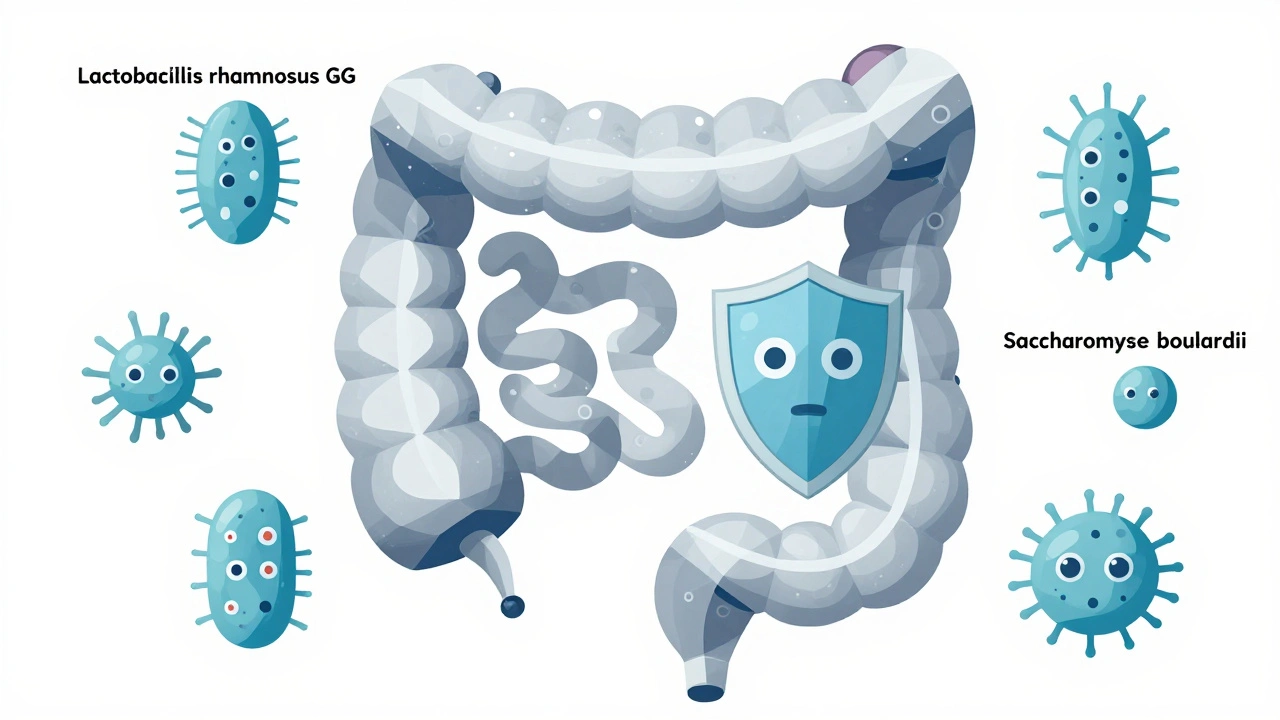

When you hear the word probiotics, you might think of yogurt commercials or a shelf full of colorful bottles at the grocery store. But here’s the real question: do they actually work for your gut? And if so, which ones, when, and why? The truth isn’t as simple as popping a pill every day and hoping for the best. Probiotics aren’t magic. They’re not a cure-all. But for some people, under the right conditions, they can make a real difference.
What Are Probiotics, Really?
Probiotics are live bacteria and yeasts that are meant to help balance the microbes in your gut. Not all bacteria are bad - in fact, your gut is home to about 100 trillion of them, from over 1,000 different species. Most of these are harmless or even helpful. Probiotics are supposed to support that balance, especially after it’s been knocked off track - by antibiotics, stress, or a poor diet.
The science behind this goes back to the early 1900s, when Russian scientist Élie Metchnikoff noticed Bulgarian villagers who ate fermented milk lived longer. He linked it to the lactic acid bacteria in their yogurt. Fast forward to today, and we now know that not all probiotics are created equal. The key is the strain. Lactobacillus rhamnosus GG, for example, is backed by dozens of studies. But just saying a product contains “Lactobacillus” doesn’t mean anything - there are dozens of strains, and each behaves differently.
Where Do Probiotics Actually Work?
Let’s cut through the hype. There’s solid evidence for only a few uses.
Antibiotic-associated diarrhea is one of the clearest wins. If you’ve ever been on antibiotics and ended up with loose stools for days, you’re not alone. A review of 12 studies involving nearly 1,500 people showed that taking probiotics like Lactobacillus rhamnosus GG or Saccharomyces boulardii reduced the risk of this side effect from 22% down to just 12%. That’s a huge drop. The trick? Take them at least two hours after your antibiotic, and keep going for a week or two after you finish the course.
Acute infectious diarrhea in kids is another area where the data is strong. A Cochrane Review of more than 12,000 children found that probiotics cut the risk of diarrhea lasting more than two days by 36%. For parents dealing with a sick child, this isn’t just a convenience - it’s a relief. The strain LGG again comes up often, with doses around 10 billion CFU per day showing the most consistent results.
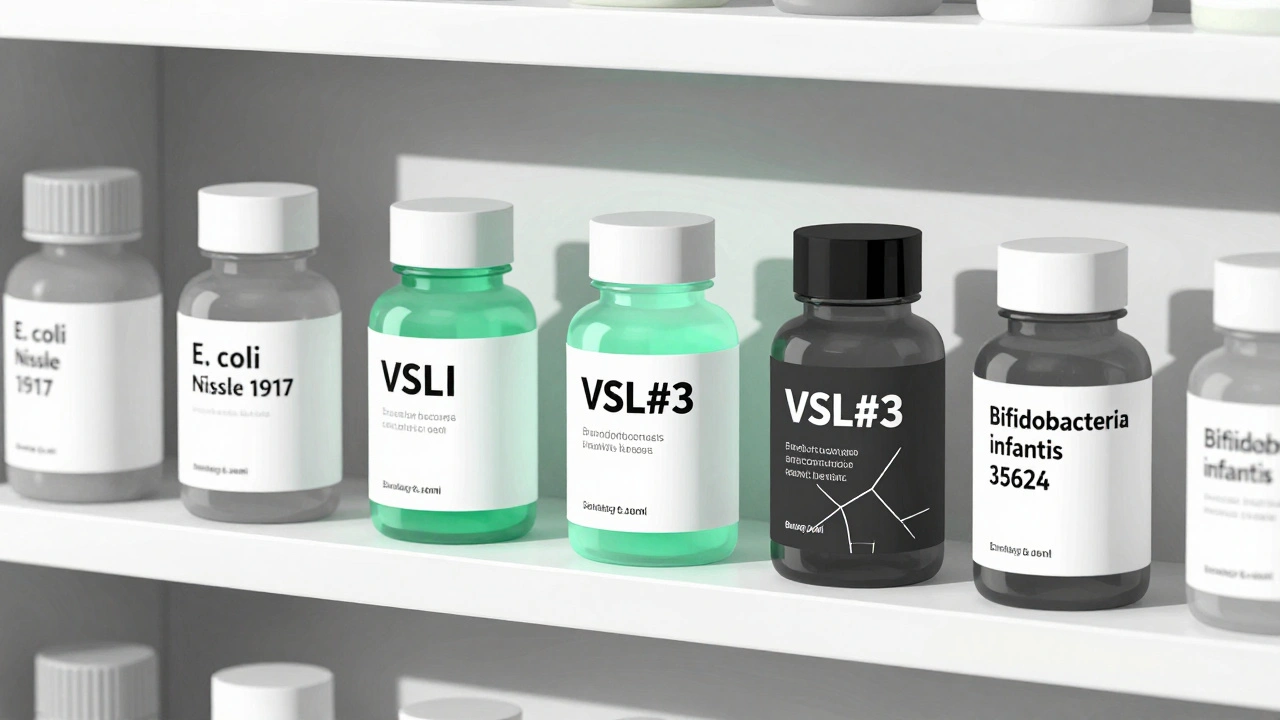
Ulcerative colitis is the only inflammatory bowel disease where certain probiotics show a modest benefit. The American Gastroenterological Association says specific strains like E. coli Nissle 1917 or the VSL#3 mix may help maintain remission - but they don’t work for Crohn’s disease. If you have Crohn’s, don’t waste money hoping probiotics will help. The evidence just isn’t there.
What About IBS and General Digestion?
This is where things get messy. Many people buy probiotics for bloating, gas, or irregular bowels - classic IBS symptoms. And while some studies show small improvements, the results are all over the place. One 2013 trial found that a specific strain of Lactobacillus plantarum reduced pain and flatulence in IBS patients after four weeks. Another study found nothing. Why? Because your gut microbiome is unique. What helps your neighbor might do nothing for you.
There’s no “best probiotic for IBS.” The strains that show promise include Bifidobacterium infantis 35624 and some combinations of Lactobacillus and Bifidobacterium, but results vary wildly. If you’re trying this, be patient. It can take 2 to 8 weeks to notice any change. And if you don’t see anything after two months, stop. It’s not worth the cost or the guesswork.
Strain Matters More Than Brand
You’ve probably seen bottles with 50 billion CFUs and 15 different strains. Sounds impressive, right? Not necessarily. More isn’t always better. What matters is whether the strain in that bottle has been studied for your specific issue.
Take Lactobacillus acidophilus. It’s everywhere. But the strain LA-1 is different from DDS-1, which is different from NCFM. Only NCFM has been shown to help with lactose digestion. DDS-1 has been linked to immune support. If the label just says “L. acidophilus,” you’re flying blind. Look for the full strain name - it’s often printed in tiny font, but it’s the most important detail.
Same goes for Saccharomyces boulardii. It’s a yeast, not a bacterium, and it’s one of the few probiotics that survives stomach acid and antibiotics without needing refrigeration. That’s why it’s often recommended for travelers or people on long courses of antibiotics.
What You Need to Know Before Buying
Not all probiotics are created equal - and not all labels are honest.
A 2019 test by ConsumerLab found that 30% of probiotic supplements had fewer live organisms than claimed on the bottle. That’s a huge problem. If a product says it has 10 billion CFUs but only delivers 2 billion, you’re not getting the dose needed to work.
Here’s how to avoid being ripped off:
- Choose brands with third-party verification: USP, NSF, or ConsumerLab tested.
- Check the expiration date - probiotics die over time. Refrigerated products are often fresher.
- Look for strain names and CFU counts on the label. If it’s not there, walk away.
- Don’t trust “proprietary blends” - that’s code for “we won’t tell you what’s inside.”
Storage matters too. Some probiotics need refrigeration (like VSL#3). Others, like S. boulardii, are shelf-stable. Read the fine print.

Who Should Avoid Probiotics?
Most healthy people can take probiotics without issue. But if you’re immunocompromised - say, you’re on chemotherapy, have an organ transplant, or have a severe illness - probiotics can be dangerous. There are rare case reports of people developing bloodstream infections from probiotic strains.
Also, if you’re severely ill or in the ICU, avoid them. The risk isn’t high, but it’s real. And if you’re pregnant, talk to your doctor. While most probiotics are considered safe, there’s still limited long-term data.
And yes - you might get a little bloated or gassy at first. That’s normal. Your gut is adjusting. But if it lasts more than a week or gets worse, stop. That’s not a sign it’s working - it’s a sign it’s not right for you.
The Bottom Line: Probiotics Aren’t Magic, But They’re Not Useless Either
Probiotics aren’t a miracle cure. They’re not going to fix your diet, your stress, or your sleep. But for specific situations - like preventing diarrhea after antibiotics or helping a child recover from a stomach bug - they have real, proven value.
For everything else - IBS, general bloating, “detoxing,” weight loss - the evidence is weak or mixed. Don’t expect miracles. Don’t spend hundreds of dollars a year hoping for results. If you want to try one, pick a strain with strong evidence for your goal, buy from a reputable brand, and give it 6 to 8 weeks. If nothing changes, it’s not worth it.
And remember: your gut health isn’t just about supplements. Eating fiber-rich foods, staying hydrated, sleeping well, and managing stress do far more than any pill ever could. Probiotics might help. But they’re not the foundation. They’re just a small tool in a much bigger toolbox.
Do probiotics help with bloating?
Some people notice less bloating with specific probiotic strains like Bifidobacterium infantis 35624 or certain Lactobacillus-Bifidobacterium blends. But results are inconsistent. About half of users report improvement, while others feel no change or even worse symptoms at first. It’s not guaranteed - and it can take 4 to 8 weeks to see results.
Can I take probiotics with antibiotics?
Yes, but not at the same time. Take probiotics at least two hours after your antibiotic dose. This gives the antibiotic time to work without killing off the helpful bacteria. Keep taking the probiotic for 1 to 2 weeks after finishing your antibiotic course. Strains like Lactobacillus rhamnosus GG and Saccharomyces boulardii are best for this.
Are refrigerated probiotics better?
Not always. Some strains, like Lactobacillus and Bifidobacterium, are sensitive to heat and need refrigeration to stay alive. Others, like Saccharomyces boulardii, are heat-stable and work fine at room temperature. Check the label. If it says “refrigerate,” then yes - keep it cold. If it doesn’t, storing it in the fridge won’t hurt, but it’s not necessary.
Do probiotics help with weight loss?
There’s no solid evidence that probiotics cause weight loss in humans. Some early studies in mice showed changes in metabolism, but human trials haven’t confirmed this. A few strains may influence how your body stores fat or absorbs calories, but the effect is tiny and not reliable enough to recommend for weight loss. Focus on diet and movement instead.
How long should I take probiotics?
For acute issues like antibiotic-associated diarrhea, take them for 1 to 2 weeks after finishing your antibiotics. For chronic issues like IBS, give it 6 to 8 weeks. If you don’t notice any benefit by then, stop. There’s no need to take probiotics indefinitely unless you’re under a doctor’s care for a specific condition. Your gut doesn’t need constant supplementation.
Can I get probiotics from food instead of supplements?
Absolutely. Yogurt (with live cultures), kefir, sauerkraut, kimchi, miso, and kombucha all contain live probiotics. These foods often have more diverse strains than supplements and come with added nutrients like calcium, fiber, and antioxidants. If you tolerate them well, they’re a great, natural way to support gut health - and they’re usually cheaper than pills.


