
When you pick up a prescription, you might see a label that says generic instead of the brand name you recognize. For many, it’s a simple switch-same active ingredient, lower price. But for others, it’s a source of anxiety: Could this version cause different side effects? The short answer? For most people, no. But the full picture is more complicated than a yes-or-no answer.
What Does ‘Bioequivalent’ Really Mean?
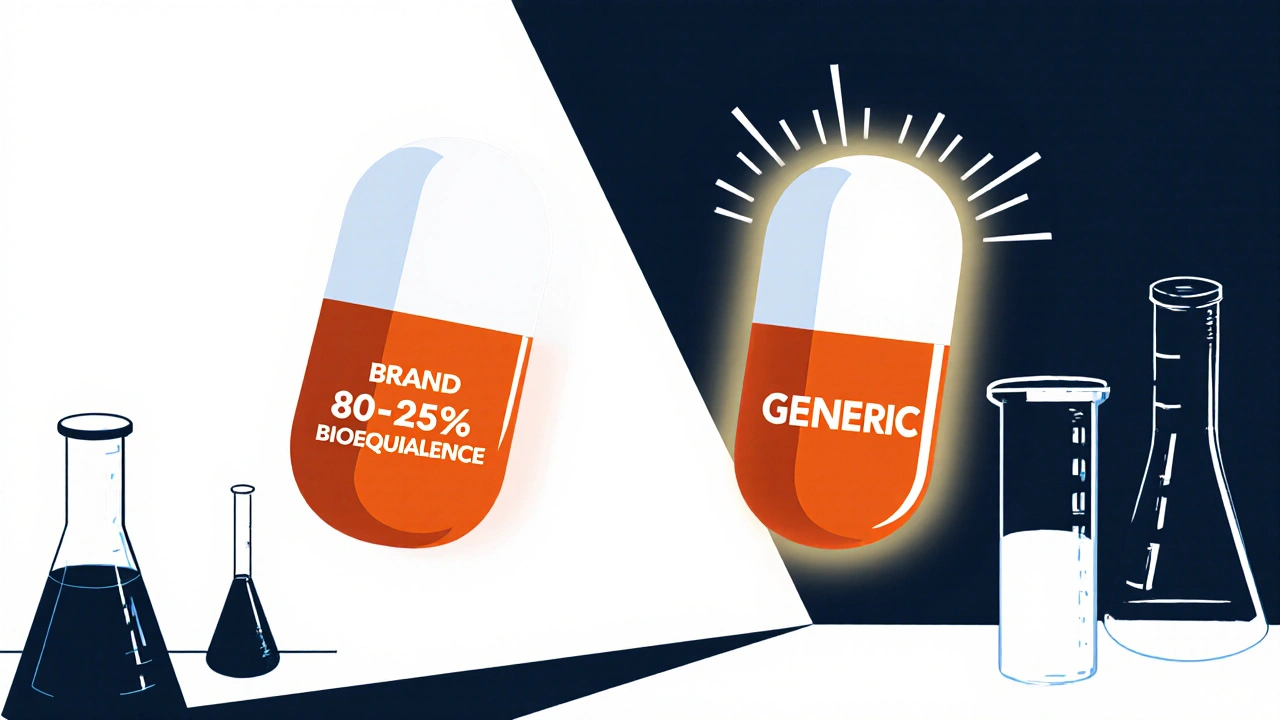
The U.S. Food and Drug Administration (FDA) requires generic drugs to be bioequivalent to their brand-name counterparts. That means they must deliver the same amount of active ingredient into your bloodstream at the same rate. The acceptable range? Between 80% and 125% of the brand-name drug’s absorption. That’s a 45% window. Sounds wide, right? But for most medications, it doesn’t matter. Think of it like two different brands of aspirin. One dissolves a little faster, another a little slower. Both get the job done. For blood pressure pills, antidepressants, or cholesterol meds, that small variation rarely affects how you feel. Studies like the 2018 PLOS Medicine analysis of 38 trials found no meaningful difference in heart attacks, hospitalizations, or death rates between patients taking brand-name or generic versions of drugs like losartan, metoprolol, or simvastatin. But here’s where it gets tricky: not all drugs are created equal. Medications with a narrow therapeutic index-where the difference between a helpful dose and a harmful one is tiny-need more precision. Think warfarin (a blood thinner), levothyroxine (for thyroid), or phenytoin (for seizures). Even a small change in absorption can throw off your INR levels or trigger seizures. That’s why some doctors still recommend sticking to one manufacturer, even if it’s generic.Why Do Some People Report Worse Side Effects?
If generics are bioequivalent, why do so many patients say they feel worse after switching? The answer isn’t always in the chemistry-it’s in the mind. A 2012 study showed something surprising: when people were given identical placebo pills but told one was a brand-name drug and the other a generic, those who thought they were taking the generic reported more side effects. This is called the nocebo effect-the opposite of placebo. Negative expectations create real physical symptoms. Patient testimonials back this up. On Reddit, users report anxiety, insomnia, or brain fog after switching from Wellbutrin XL to its generic version. Others describe feeling “off” after switching from Synthroid to generic levothyroxine. But here’s the catch: when researchers controlled for expectations in clinical trials, those differences vanished. The same pills, same doses, same outcomes-just different labels. Still, there’s another layer: inactive ingredients. Generics use different fillers, dyes, and binders. For most people, these are harmless. But if you’re allergic to lactose, or sensitive to certain dyes, you might react. That’s not the active drug causing trouble-it’s the extra stuff. Pharmacists often hear complaints like, “The new pill gives me stomach upset,” only to find out the generic version uses a different coating or binder than the old one.Manufacturing Location Matters-But Not How You Think
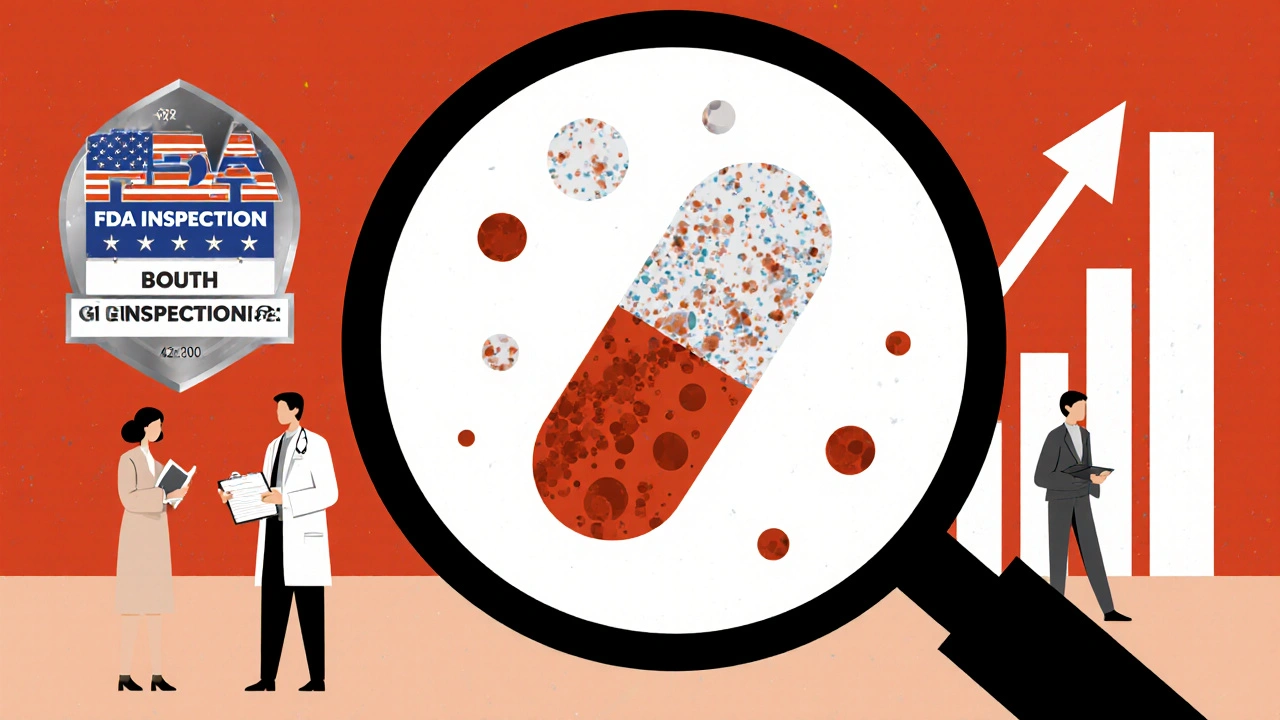
A 2022 study from Ohio State University claimed that generic drugs made in India were linked to 54% more severe adverse events-including hospitalizations and deaths-compared to those made in the U.S. That sounds alarming. But the study looked at older, mature generics that had been on the market for years. These are often produced by multiple manufacturers, sometimes with inconsistent quality control. The FDA oversees about 1,700 generic manufacturing sites worldwide. More than 60% are outside the U.S., with 32% in India and 18% in China. The agency inspects these facilities, and while some have received “Official Action Indicated” warnings for violations, the vast majority meet standards. The real issue isn’t geography-it’s consistency. A drug made in Ohio by one company might be identical to one made in Hyderabad by another. But if the manufacturing process shifts over time, or if a company cuts corners to save costs, problems can arise. The FDA’s Generic Drug User Fee Amendments (GDUFA), updated in 2022, have ramped up inspections from 42 in 2010 to over 300 in 2022. That’s a big improvement. But with 90% of prescriptions filled with generics, the pressure to keep prices low means some manufacturers operate on razor-thin margins. That’s where quality can slip.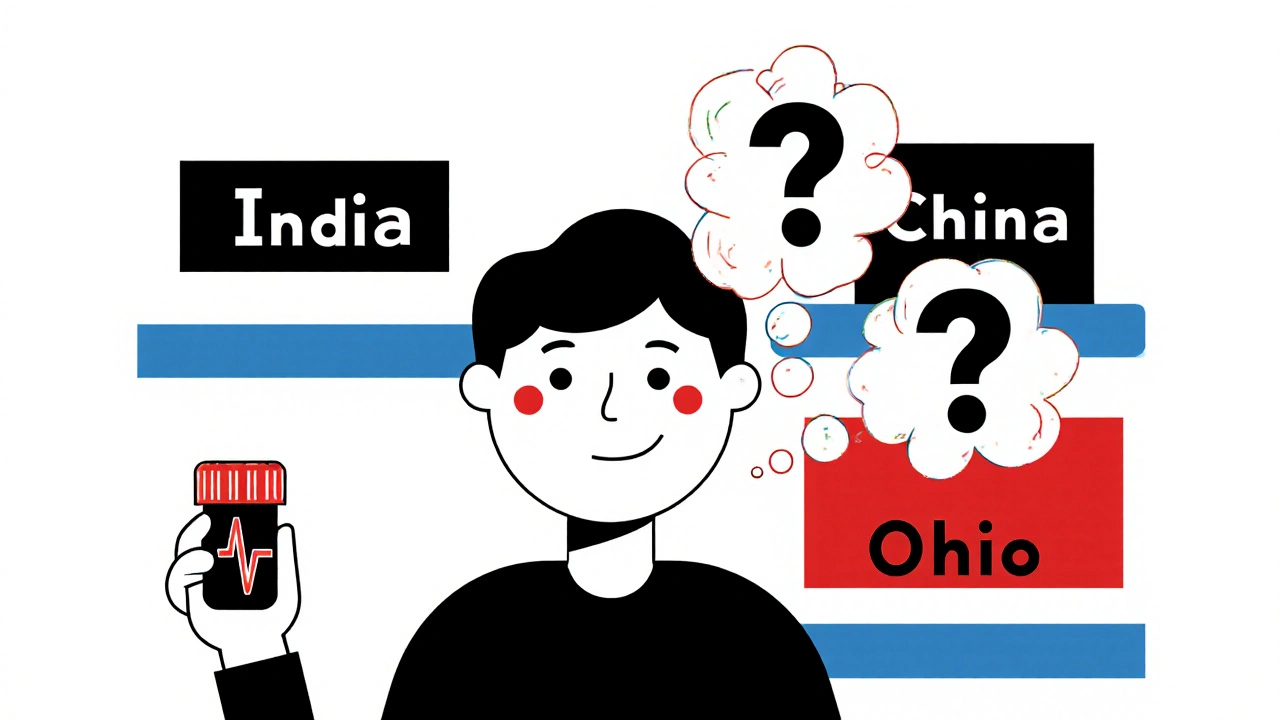
Who Should Be Careful?
Not everyone needs to worry. But certain groups should pay closer attention:- People on narrow therapeutic index drugs: Warfarin, levothyroxine, phenytoin, digoxin. If you’ve had stable lab results for months, switching generics might disrupt that. Ask your doctor to specify “Dispense as Written” on your prescription.
- Patients with allergies or sensitivities: Check the inactive ingredients list. If you’re allergic to corn, soy, or certain dyes, ask your pharmacist which generic version avoids those.
- Those who’ve had bad reactions before: If you switched to a generic and felt worse, don’t assume it’s “all in your head.” Report it to your doctor. Sometimes, sticking with the same manufacturer-even if it’s generic-is the safest bet.
What Does the Data Really Show?
Let’s look at the numbers:- A 2018 NIH analysis of over 27,000 adverse event reports found that while generics made up the majority of reports, authorized generics (same drug, same maker as brand) had far fewer complaints.
- For simvastatin, brand-name users stopped taking it at a rate of 43.4%. Generic users? Only 27.6%. That’s right-the generic version had fewer discontinuations. People tolerated it better.
- One study found that after generic availability, ER visits for losartan rose by 8%, valsartan by 12%, and candesartan by 14%. But correlation isn’t causation. Was it the switch? Or were more people starting the drug because it was cheaper? No one knows for sure.
What Should You Do?
You don’t need to avoid generics. But here’s how to stay in control:- Don’t panic if you feel different. Track your symptoms. Are they new? Worse? Or just different? Write them down.
- Ask your pharmacist. If you switch generics and notice a change, ask if the manufacturer changed. Sometimes, the pill looks different because it’s from a new supplier.
- Communicate with your doctor. If you’re on a high-risk medication, ask whether switching is safe. For most people, it is.
- Don’t stop taking your meds. Stopping a drug because you think the generic is worse can be far more dangerous than the switch itself.
- Report side effects. Use the FDA’s MedWatch program. Your report helps improve safety for everyone.
The Bottom Line
Generics aren’t inferior. They’re not risky for most people. But they’re not identical in every way. The active ingredient? Same. The effect? Almost always the same. The experience? Sometimes different-not because the drug is weaker, but because your body, your expectations, or your manufacturer’s formula changed. For the vast majority, generics are a safe, smart choice. For a small group-those on critical meds, with allergies, or who’ve had bad experiences-it’s worth being cautious. Knowledge is power. Ask questions. Track your body. Don’t assume the worst. And don’t let fear stop you from saving money on medicine that works just as well.Are generic drugs less effective than brand-name drugs?
No. Generic drugs must meet the same FDA standards for bioequivalence as brand-name drugs. They contain the same active ingredient, in the same strength, and work the same way in the body. Studies involving hundreds of thousands of patients show no meaningful difference in effectiveness for most medications.
Why do some people feel worse after switching to a generic?
It’s often not the active drug. Differences in inactive ingredients-like fillers, dyes, or coatings-can cause mild reactions in sensitive individuals. Psychological factors also play a role: if you believe generics are inferior, you may notice or even create symptoms you didn’t have before. This is called the nocebo effect. Studies show patients report more side effects when told they’re taking a generic, even when the pill is identical.
Which medications should I avoid switching to generics?
For most drugs, switching is safe. But for medications with a narrow therapeutic index-like warfarin, levothyroxine, phenytoin, and digoxin-small changes in absorption can cause serious problems. If you’re on one of these, talk to your doctor. They may recommend staying with the same manufacturer, even if it’s generic, to avoid fluctuations.
Are generics made in India or China less safe?
The FDA inspects all manufacturing facilities, whether in the U.S., India, or China. While some foreign plants have had violations, the majority meet U.S. standards. A 2022 study linked Indian-made generics to higher severe adverse events, but it focused on older, widely produced drugs where quality control may have slipped over time. The FDA has increased inspections dramatically since 2010, and most generics are safe. Location alone doesn’t determine safety-manufacturing consistency does.
How can I tell if my generic was switched?
Check the shape, color, or imprint on the pill. If it looks different from your last refill, it’s likely a different manufacturer. Ask your pharmacist. They can tell you the name of the maker and whether it’s the same as before. If you notice new side effects after a switch, report it to your doctor and consider asking for the previous version.
Can I request a brand-name drug instead of a generic?
Yes. Your doctor can write “Dispense as Written” or “Brand Necessary” on your prescription. But insurance may charge you more, or even deny coverage. Only do this if you’ve had a confirmed reaction to a generic, or if you’re on a high-risk medication and your doctor recommends it. For most people, generics are the better financial and clinical choice.


