
Most sinus infections don’t need antibiotics - and taking them anyway can hurt you
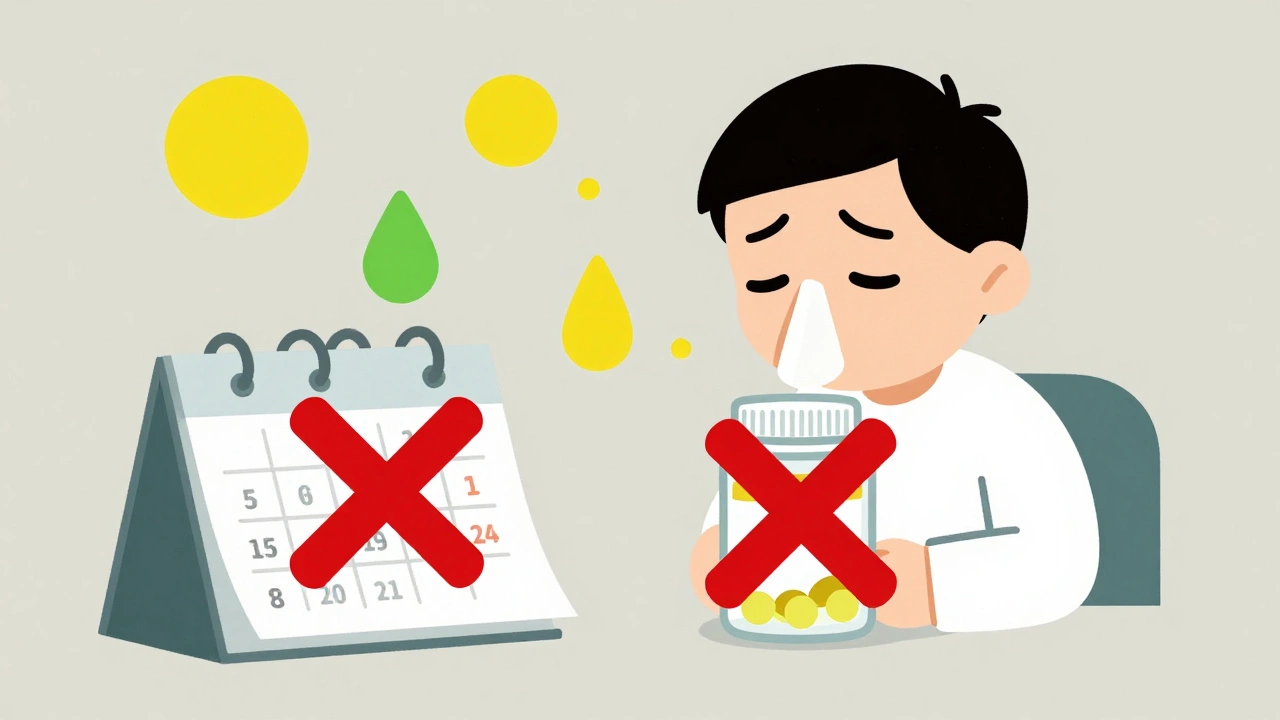
You wake up with a stuffy nose, a dull ache around your eyes, and thick yellow mucus. You’ve been like this for five days. You’re tired. You’re frustrated. You want to feel better now. So you call your doctor and ask for antibiotics. It’s a natural reaction. But here’s the truth: 9 out of 10 times, you don’t need them.
Sinusitis - inflammation of the sinuses - is one of the most common reasons people visit the doctor in the UK and the US. Around 31 million Americans get it every year. In Bristol, where I live, it’s the same story: cold season rolls in, and suddenly half the office is blowing their nose and reaching for decongestants. But here’s what most people don’t know: the vast majority of sinus infections are viral, not bacterial. And antibiotics do nothing for viruses.
When you take an antibiotic when you don’t need it, you’re not helping yourself. You’re feeding a bigger problem: antibiotic resistance. The World Health Organization calls this one of the top global health threats. Every unnecessary pill increases the chance that the next time you or someone you love really needs antibiotics - for pneumonia, a wound infection, or sepsis - they might not work anymore.
How to tell if your sinus infection is viral or bacterial
The difference isn’t always obvious, but there are clear patterns. Viral sinusitis usually follows a cold. You start with a runny nose, maybe a low-grade fever, sneezing, and a sore throat. After a few days, your nose gets stuffy, and the mucus thickens. It might turn yellow or green. That doesn’t mean bacteria are to blame. Coloured mucus is normal in viral infections. Your immune system is fighting hard, and dead white blood cells mix with mucus, giving it that tint.
Here’s what to watch for instead:
- Viral sinusitis: Symptoms peak around days 3-5, then slowly get better. Most people feel significantly improved by day 7-10. No sudden worsening after initial improvement.
- Bacterial sinusitis: Symptoms last longer than 10 days without improvement. Or, they get better for a few days - then suddenly get worse again. This is called the “double-worsening” pattern. It often means a secondary bacterial infection has taken hold.
Other red flags for bacterial infection include:
- Fever over 102°F (38.9°C) lasting more than 3 days
- Severe, one-sided facial pain or pressure - especially around the cheeks or upper teeth
- Pus-like nasal discharge that’s thick, green, and doesn’t improve after 3-4 days
These signs don’t guarantee bacteria are the cause - but they’re strong enough to warrant a closer look.
Why antibiotics don’t help most cases - and what science says
A 2023 review by the American Academy of Family Physicians looked at 14 clinical trials with over 3,400 patients. The results? People who took antibiotics for early sinusitis felt no better than those who took a sugar pill. Same recovery time. Same symptom relief. Same chance of getting back to normal.
And here’s the kicker: about 5-10% of people who take antibiotics for sinusitis end up with side effects - diarrhea, nausea, rashes, or yeast infections. One in 15 people gets sick from the treatment itself.
The Cochrane Database found that antibiotics only help about 1 in 15 people with bacterial sinusitis. That means, for every person who benefits, 14 are exposed to risks for no real gain. That’s not good odds.
Dr. John Craig from Columbia University put it bluntly: “78% of antibiotics prescribed for sinusitis are unnecessary.” That’s not just wasteful - it’s dangerous. In the US alone, 2.8 million antibiotic-resistant infections happen every year. Many of them trace back to overprescribing for things like colds and sinus infections.

When antibiotics actually do help - and what to take
There are times when antibiotics are the right call. If your symptoms last more than 10 days with no improvement, or if you have that sudden worsening after day 5-7, it’s time to talk to your doctor. Same if you have high fever, severe pain, or swelling around your eyes.
For confirmed bacterial sinusitis, the first-line treatment is usually amoxicillin. The standard dose is 500mg three times a day for 5-10 days. If you’ve taken antibiotics recently, or if you live in an area where resistance is common (like parts of the UK with high penicillin resistance), your doctor might prescribe amoxicillin-clavulanate instead.
But here’s what you should never get:
- Macrolides (like azithromycin or clarithromycin) - resistance rates for common sinus bacteria are over 30%
- Trimethoprim-sulfamethoxazole - resistance is even higher, around 40%
These drugs are often prescribed because they’re “convenient” - one pill a day, short course. But they’re not effective. And using them for sinusitis makes them even less useful for serious infections later.
What you should do instead - the real fix for viral sinusitis
If you’ve got a viral sinus infection, your best tools aren’t pills. They’re simple, cheap, and backed by science.
- Saline nasal irrigation: Use a neti pot or nasal spray with sterile saline. Do it 2-3 times a day. It flushes out mucus, reduces swelling, and speeds healing. Studies show 75% of people master the technique after just 3-5 tries.
- Stay hydrated: Drink at least 2-3 litres of water a day. Thinner mucus drains better.
- Humidify your air: Keep indoor humidity between 40-60%. Dry air irritates sinuses. A simple humidifier helps.
- Pain relief: Use acetaminophen (650-1000mg every 6 hours) or ibuprofen (400-600mg every 6 hours). They reduce pain and inflammation without the risks of antibiotics.
- Rest: Your body needs energy to fight the virus. Don’t push through.
One patient I read about on WebMD had chronic sinus issues for years. She tried antibiotics six times. Each time, she felt better for a few days - then it came back. Finally, she started daily saline rinses and a nasal steroid spray. Within six months, she hadn’t needed a single antibiotic. She’s been symptom-free for over a year.
What to avoid - and the hidden dangers of overusing antibiotics
One of the scariest risks of unnecessary antibiotics is Clostridioides difficile - or C. diff. It’s a nasty gut infection that can follow antibiotic use. It causes severe diarrhea, cramping, fever, and in bad cases, colon damage or death. The recurrence rate? 15-30%. For older or immunocompromised people, the death rate can hit 6-30%.
There’s a real case on PatientsLikeMe from October 2023: a healthy 42-year-old woman took azithromycin for a viral sinus infection. Three days later, she was hospitalized with C. diff. She spent weeks recovering. Her doctor later admitted: “I should’ve known better.”
And here’s another trap: imaging. Some doctors order CT scans when sinusitis doesn’t improve. But here’s the problem: 87% of healthy adults show sinus abnormalities on a CT scan - even when they feel fine. That means scans often lead to overdiagnosis. You might get labeled with “chronic sinusitis” when you just had a stubborn virus. That can lead to unnecessary treatments, more antibiotics, and even surgery down the line.
How to track your symptoms - and know when to call your doctor
Don’t guess. Track. Use a simple notebook or phone app. Write down:
- Day 1: Started with runny nose, mild headache
- Day 3: Mucus turned yellow, congestion worse
- Day 5: Fever hit 101°F, right cheek pain
- Day 8: Fever gone, but congestion and green mucus unchanged
- Day 11: Suddenly worse - fever back, sharp pain under eye
If you see that double-worsening pattern - improvement, then sudden crash - call your doctor. Same if you have:
- Fever above 102°F for more than 3 days
- Swelling around your eyes or forehead
- Blurred vision or double vision
- Severe headache that doesn’t respond to painkillers
- Stiff neck or confusion
These are signs of complications - like an abscess or infection spreading to the brain. They’re rare, but they’re emergencies.
The future is smarter - and we’re already getting there
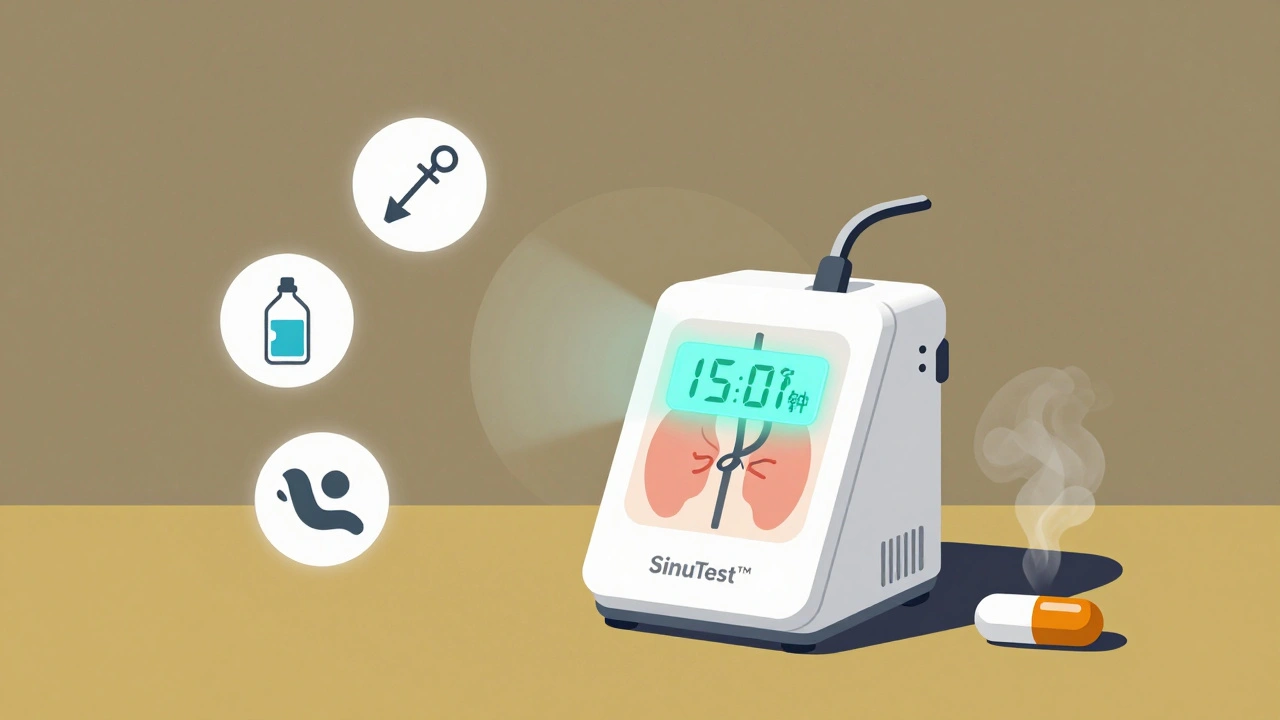
There’s new hope on the horizon. In May 2023, the FDA approved a rapid test called SinuTest™ that can detect bacterial infection in the sinuses in under 15 minutes. It’s 89% accurate. That means in the next few years, your GP might be able to test you right in the office and know for sure whether you need antibiotics.
Researchers are also testing nasal probiotics - good bacteria sprayed into the nose - to prevent recurrent infections. Early trials show a 42% drop in flare-ups. And scientists are looking at genetic markers to predict who will respond to antibiotics and who won’t. That could mean personalized treatment: no more guessing.
Meanwhile, the CDC’s “Get Smart” campaign offers free, easy-to-read materials in multiple languages. Clinics using them saw a 27% drop in unnecessary antibiotic requests. Knowledge is power.
Bottom line: Don’t rush to antibiotics
Sinusitis feels awful. It steals your sleep, your focus, your energy. You want relief - and fast. But the fastest way to feel better isn’t always a pill. It’s time, hydration, salt water, and rest.
Antibiotics have their place. But they’re not a cure-all. Using them for the wrong reason doesn’t make you smarter. It makes you part of the problem.
If your symptoms are improving after 7 days? You’re probably fine. Wait it out. If they’re getting worse after day 5, or dragging past 10 days? That’s when you call your doctor - and ask: “Could this be bacterial? What’s the evidence?”
Your sinuses will thank you. So will the next person who needs antibiotics to survive an infection.
Can yellow or green mucus mean I have a bacterial sinus infection?
No. Coloured mucus - yellow or green - is common in viral infections. It happens when your immune system sends white blood cells to fight the virus, and they mix with mucus. You can have thick, green mucus for days and still have a virus. What matters more is how long symptoms last and whether they suddenly get worse after improving.
How long should I wait before seeing a doctor for sinusitis?
Wait at least 10 days if your symptoms are slowly improving. If they get worse after day 5-7 - especially with new fever, severe pain, or swelling - call your doctor right away. Also see a doctor if you have a fever over 102°F lasting more than 3 days, vision changes, or a headache that won’t go away with painkillers.
Are nasal sprays better than antibiotics for sinusitis?
For viral sinusitis, yes - and they’re safer. Saline nasal sprays or neti pots help clear mucus and reduce swelling. Steroid nasal sprays (like fluticasone) can reduce inflammation and are often recommended for persistent symptoms. Antibiotics don’t help unless bacteria are confirmed. Nasal sprays don’t cause resistance or gut problems.
Can I use over-the-counter decongestants for sinusitis?
Short-term use (no more than 3 days) of oral or nasal decongestants can help with congestion. But nasal sprays like oxymetazoline can cause rebound congestion if used longer. They don’t treat the infection - just mask symptoms. Stick to saline irrigation and pain relievers as your main tools.
Why do doctors still prescribe antibiotics for sinusitis if they’re often unnecessary?
Many patients expect them. Some doctors prescribe them to satisfy patients or avoid follow-up visits. Time pressure in clinics also plays a role. But guidelines from the CDC, WHO, and major medical societies are clear: don’t prescribe antibiotics for symptoms under 10 days without red flags. Patient education and better diagnostic tools are slowly changing this.
Is it safe to skip antibiotics if I feel really bad?
Yes - if your symptoms match viral patterns. Feeling awful doesn’t mean it’s bacterial. Viral infections can be intense. The key is watching for specific warning signs: worsening after improvement, high fever over 3 days, or facial swelling. If those aren’t there, rest and supportive care are safer and just as effective.


