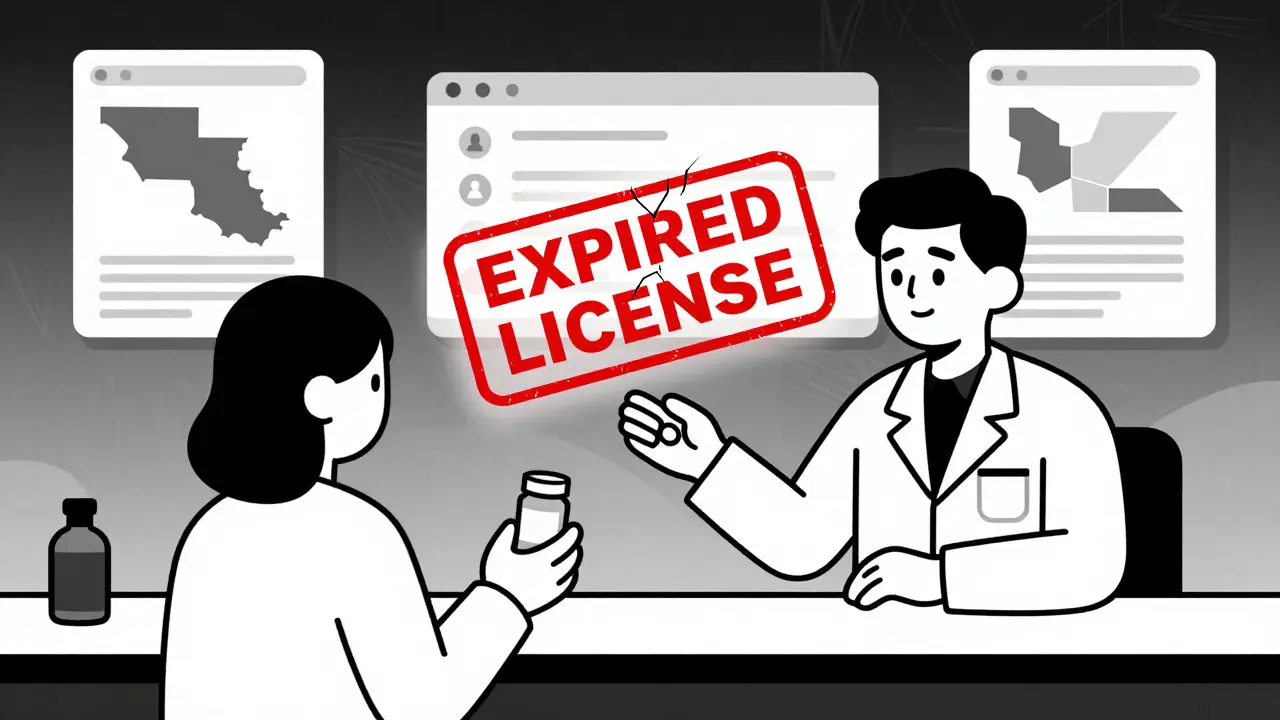

When you pick up a prescription, you assume the pharmacist handing it to you is licensed, trained, and accountable. But what if they’re not? In 2023, 47% of disciplinary actions against pharmacists involved practicing with an invalid or expired license. That’s not a glitch-it’s a gap in the system. And it’s how counterfeit drugs slip into circulation. State pharmacy boards exist to close that gap. But most people don’t know how to use them. Here’s how to verify a pharmacy license-and why it matters more than ever.
What State Pharmacy Boards Actually Do
Every U.S. state, territory, and the District of Columbia has its own pharmacy board. These aren’t just bureaucratic offices. They’re the legal gatekeepers of pharmacy practice. Each board licenses pharmacists and pharmacy technicians, investigates complaints, and takes action when someone breaks the rules. They’re the only entities with the legal power to suspend, revoke, or renew a license. There are 56 boards total-50 states, plus D.C., Puerto Rico, Guam, and the U.S. Virgin Islands. Together, they oversee about 350,000 pharmacists and 300,000 pharmacy techs. Their job? Keep you safe. That means making sure every person behind the counter has passed the exams, completed training, and hasn’t been caught selling fake meds or stealing pills. But here’s the catch: each board runs its own system. There’s no single national database. So if you’re checking a pharmacist in Maryland, you go to Maryland’s site. In California, you go to California’s. And if you’re trying to verify someone who works across state lines? That’s where things get messy.How to Verify a Pharmacy License: Step by Step
Verifying a license takes less than five minutes. You don’t need special software. You don’t need to call anyone. Just follow these steps:- Go to your state’s pharmacy board website. Search for “[Your State] Board of Pharmacy” - don’t use a third-party site.
- Find the “License Verification” or “Verify a License” link. It’s usually on the homepage or under “For the Public.”
- Enter at least one of these: full name, license number, or city. Some states let you search by zip code or specialty.
- Review the results. Look for these key details: license number, issue date, expiration date, and current status.
- Check the status. Only “Active” means they’re legally allowed to practice. “Suspended,” “Revoked,” or “Expired” means they’re not.
Most boards offer this for free. Maryland, for example, processes over 12,000 searches a month with no charge. The District of Columbia charges nothing for online checks. You might pay $5-$15 if you need an official letter mailed to another state-but that’s rare.
Pro tip: If you get no results, try variations. Did the pharmacist change their last name? Try maiden names. Did they use a middle initial? Try without it. Some systems are picky. Maryland warns: “Less is more.” Start with just the last name and license number.
Why You Can’t Trust Third-Party Sites
You’ve probably seen sites that say they verify licenses. They look professional. They have logos. But they’re not official. And that’s dangerous. The National Association of Boards of Pharmacy (NABP) runs NABP Verify, a paid service ($59/year) that pulls data from 48 states. It’s useful if you’re hiring a pharmacist who works in multiple states. But even NABP says: “State boards are the primary source.” Why? Because third-party sites update slowly. A pharmacist might have been suspended last week, but their status on a private site still says “Active.” The state board’s site? Updated within 24-72 hours. NABP’s own data shows that 68% of boards share real-time updates with each other through the License Verification Exchange-but private sites don’t always tap into that. A 2022 survey found that 28% of pharmacists had to call their state board directly because online systems didn’t reflect recent changes. That’s not a glitch-it’s a risk. If you’re a pharmacy owner, hospital administrator, or even a patient, relying on a third-party tool could put lives in danger.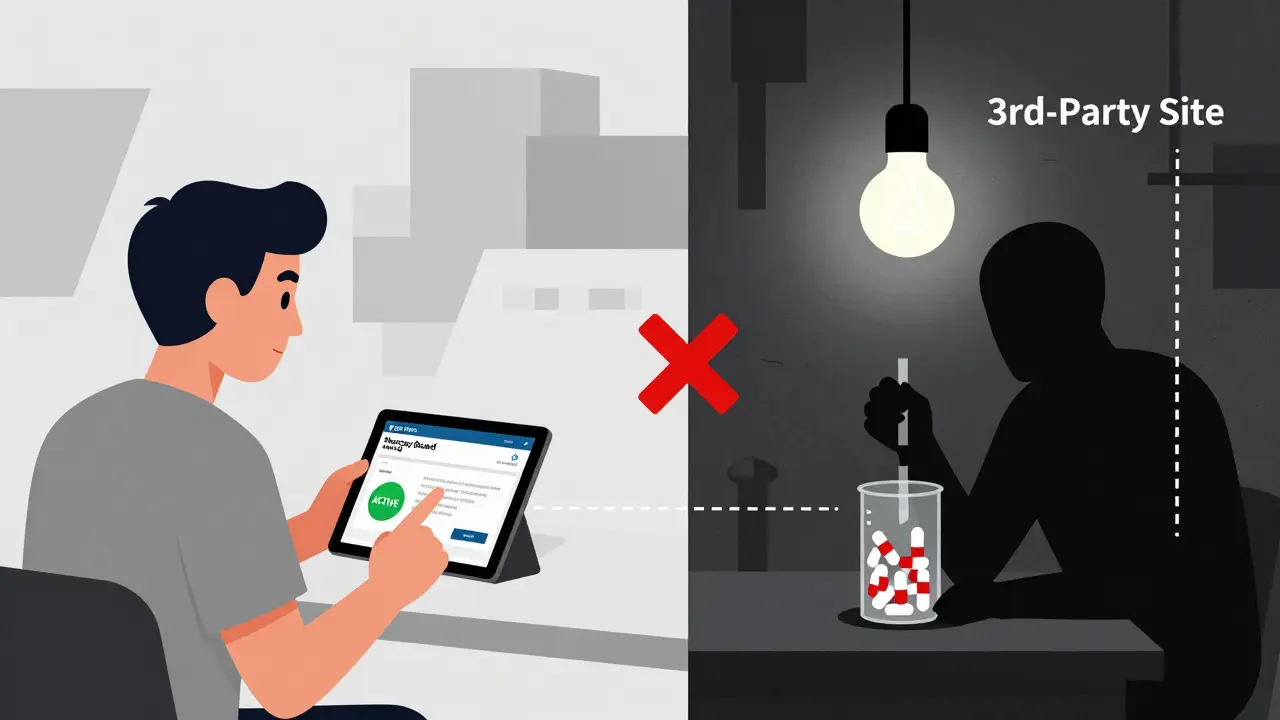
Red Flags: What to Look for in a License
A valid license isn’t just about the status. Here’s what to dig into:- Expiration date: Pharmacist licenses usually expire every 1-2 years. If it’s expired and there’s no “Renewal Pending” note, that’s a red flag.
- License type: Is the person a pharmacist (Pharm.D.) or a technician? Technicians can’t dispense meds without supervision. If someone is working alone and only has a tech license, that’s illegal.
- Disciplinary history: Some boards list past sanctions. Look for terms like “probation,” “cease and desist,” or “reprimand.” These aren’t just paperwork-they’re warnings.
- Practice location: Does the license match where the person is working? A license issued in Florida doesn’t automatically let someone work in Ohio. Even if they’re licensed in both, they need to be registered in each state.
One real case from 2023: A pharmacy in rural Ohio hired a pharmacist whose license showed “Active” on a third-party site. The state board later confirmed the license had been revoked six months earlier after a patient overdose linked to improper compounding. The pharmacy shut down. No one was hurt-but it was a close call.
What Happens When a License Is Invalid?
When a board finds out someone is practicing without a valid license, they don’t just send a letter. They shut it down. Possible outcomes:- Immediate suspension
- Fines up to $10,000
- Criminal charges for dispensing without a license
- Referral to state medical board if fraud or drug diversion is involved
And here’s the scary part: counterfeit drugs often come from unlicensed or suspended pharmacies. Fake insulin, fake antibiotics, fake blood pressure pills-they’re not made in labs. They’re made in basements. And they’re sold by people who never passed a pharmacy exam.
The FDA estimates that 10% of medications sold online are counterfeit. Most of those come from unlicensed operators. If you buy from a pharmacy that isn’t licensed by your state board, you’re gambling with your life.
The Bigger Picture: Telehealth, Multi-State Practice, and the Future
More people are getting prescriptions online. More pharmacists are working across state lines. That’s why the Interstate Pharmacy Licensure Compact (IPLC) exists. It’s a deal between 23 states (as of 2023) that lets pharmacists practice in multiple states with one license. But here’s the catch: the IPLC doesn’t replace state boards. It just makes it easier to get licensed in multiple states. You still need to verify through the board where the pharmacy is located. By 2025, 90% of state boards plan to update license status in real time. That’s huge. Right now, there’s a 7-14 day lag between when a license is revoked and when it shows up online. That’s long enough for someone to dispense dangerous drugs. NABP is also expanding its Verify service to include pharmacy technicians in 2024. That’s a step forward. But the core rule stays the same: Always verify through the state board first.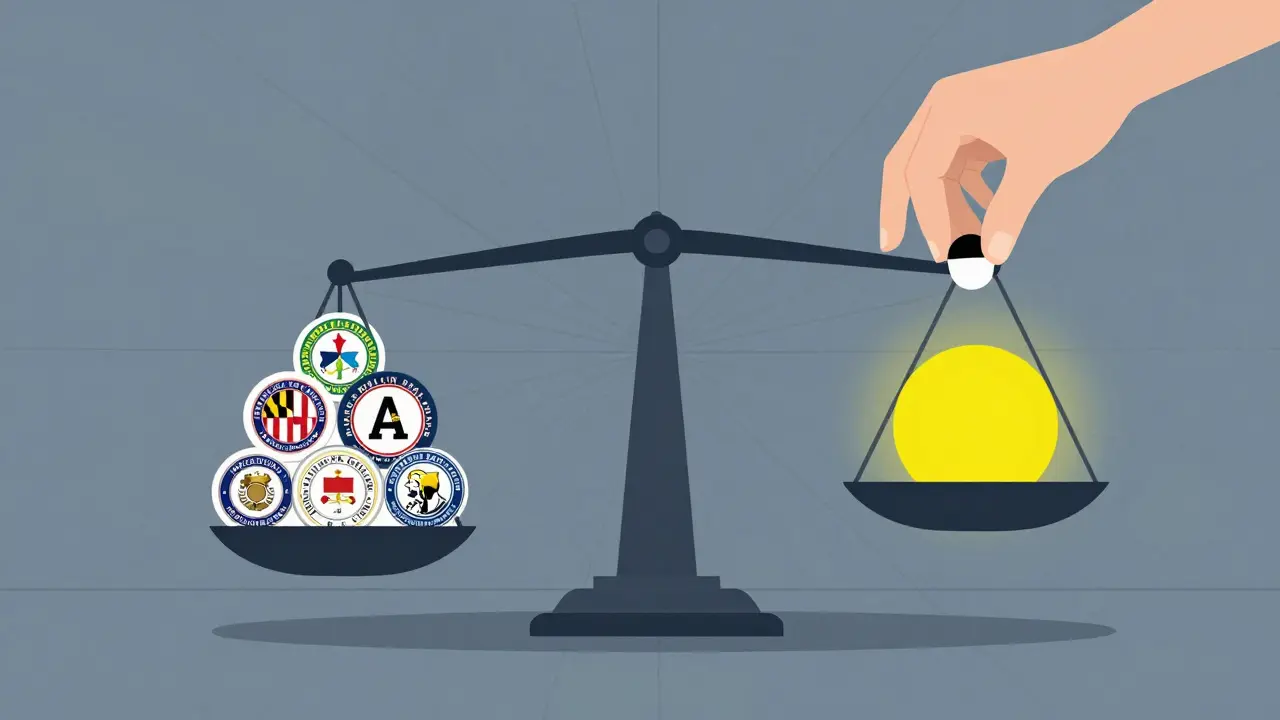
What Patients and Employers Should Do
If you’re a patient:- Always ask: “Is this pharmacy licensed by the state?”
- Check the board’s website before filling a prescription at a new pharmacy.
- If you get a medication that looks wrong, smells wrong, or causes strange side effects, report it. Contact your state board. They track suspicious drugs.
If you’re an employer:
- Never hire a pharmacist based on a resume or LinkedIn profile.
- Always verify the license directly with the state board-even if they’ve worked at another pharmacy before.
- Keep a printed copy of the verification page in their file. It’s your legal protection.
According to the American Society of Health-System Pharmacists, 78% of hospitals now require primary source verification. That means they check the state board themselves-not a third party. That’s the gold standard.
What to Do If You Find a Problem
You find a pharmacist with an expired license? A pharmacy operating without a license? A website selling meds with no verification? Here’s what to do:- Take a screenshot of the license status page.
- Go to your state pharmacy board’s website. Look for “Report a Complaint” or “File a Report.”
- Submit the details: name, location, license number, and what you saw.
- Call if you need to. Most boards have a dedicated hotline. Maryland’s is (410) 764-4755.
You don’t need to prove anything. You just need to report. Boards investigate anonymous tips. And yes-they act on them. In 2022, over 1,200 complaints led to disciplinary action.
How do I know if a pharmacy is licensed?
Go directly to your state’s Board of Pharmacy website and use their free license verification tool. Enter the pharmacist’s or pharmacy’s name or license number. Only “Active” status means they’re legally allowed to practice. Never rely on third-party sites or employer-provided documents.
Can I trust NABP Verify instead of my state board?
NABP Verify is useful for multi-state practitioners, but it’s not a replacement. State boards are the official source. NABP Verify updates slower and may miss recent suspensions. Use it as a supplement-not your primary check.
What if a pharmacist’s license shows as expired but they’re still working?
That’s a serious violation. Report it immediately to your state board. Some states allow a grace period for renewal, but if the status says “Expired” and there’s no “Renewal Pending,” they’re practicing illegally. Counterfeit drugs often come from these unlicensed operations.
Are online pharmacies safe?
Only if they’re licensed by your state and have a verified .pharmacy domain. Most online pharmacies selling meds without a license are illegal. Check the state board’s site before ordering. The FDA estimates 10% of online meds are counterfeit. Your health isn’t worth the risk.
Why do state boards take so long to update license status?
Some boards still rely on manual processes or outdated systems. As of 2023, 8 states had update delays of 14+ days. But by 2025, 90% plan to switch to real-time updates. Until then, if you suspect a license is invalid, call the board directly. Don’t wait for the website.


