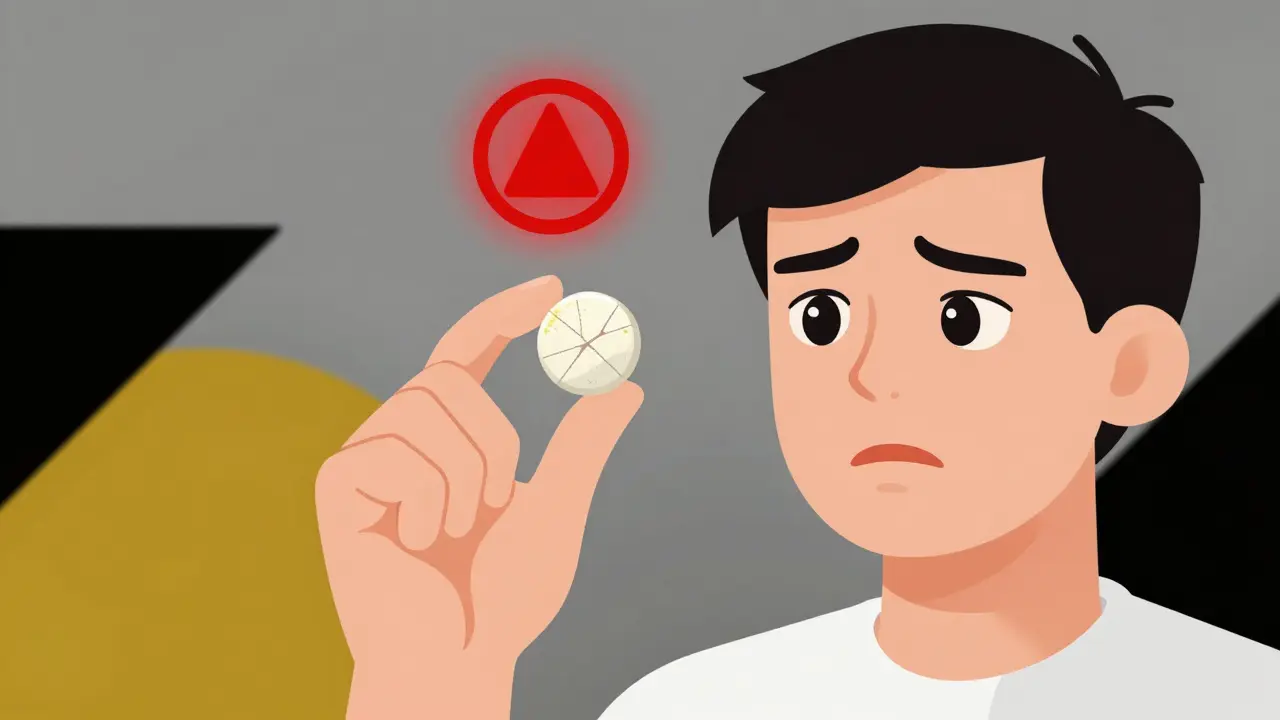

You take your medicine like clockwork. You trust the pharmacy. You trust the label. But what if the pill in your hand isn’t what it claims to be? Counterfeit medications are more common than most people realize-and the dangers aren’t just theoretical. In 2023, the CDC reported over 12,000 deaths in the U.S. alone linked to counterfeit pills laced with fentanyl. These aren’t rare cases. They’re happening in towns, suburbs, and cities across the country. And the signs aren’t always obvious.
It Didn’t Work-And That’s a Red Flag
The most common symptom of taking counterfeit medicine? Nothing happens. You take your blood pressure pill, and your reading stays high. You pop your diabetes tablet, and your glucose spikes. You use your asthma inhaler, and your chest still tightens. This isn’t just bad luck. Eli Lilly found that 89% of counterfeit drug complaints involved patients who got zero therapeutic effect-even when they took the right dose at the right time. This isn’t about your body being resistant. It’s about the pill being empty. Counterfeiters often skip the active ingredient entirely. A fake version of metformin might just be starch and chalk. A counterfeit Viagra might contain no sildenafil at all. If your condition isn’t improving, and you’re sure you’re taking it correctly, the medicine itself might be the problem.New Side Effects You’ve Never Had Before
Sometimes, the fake pill doesn’t just do nothing-it does something wrong. You’ve taken your antidepressant for years. No jitteriness. No nausea. But now, after switching pharmacies or buying online, you’re dizzy, sweating, and your heart won’t stop racing. That’s not your body adjusting. That’s poison. The FDA found that in 74% of confirmed counterfeit cases, patients reported new or unusual side effects. These aren’t minor. They’re dangerous. Some counterfeit pills contain toxic chemicals like lead, arsenic, or industrial dyes. Others are laced with powerful drugs you didn’t sign up for-like fentanyl, methamphetamine, or buprenorphine. If you suddenly feel like you’ve overdosed-slurred speech, extreme drowsiness, pinpoint pupils, or trouble breathing-you could be facing a life-threatening situation. Fentanyl can kill in minutes. A counterfeit Adderall might contain a powerful opioid, triggering withdrawal in someone dependent on stimulants. These aren’t side effects. They’re warnings.Look at the Pill. Really Look.
Counterfeiters aren’t always perfect. Sometimes, they get sloppy. And that’s your first line of defense. Check the pill itself. Does it look different from the last batch? Is the color off? Is the imprint faded, smudged, or missing? Are the edges rough or crumbly? Pfizer’s experts say counterfeit tablets often have cracked surfaces, bubbled coatings, or uneven shapes. Legitimate pills are made with precision. If yours looks like it was pressed by hand, it probably was. Check the size. If your usual 8mm pill is now 10mm, that’s a problem. The Therapeutic Goods Administration of Australia says even a 5% variation in size or weight can signal a fake. If your pills feel lighter or heavier in your hand, compare them to a previous prescription. Don’t ignore the difference.Check the Packaging-It’s Often the Easiest Clue
The bottle or blister pack can tell you more than the pill itself. Look for spelling errors. Pfizer found that 78% of counterfeit drugs have at least one misspelled word on the label. “Lipitor” becomes “Lipitorr.” “Amlodipine” becomes “Amlodipin.” These aren’t typos. They’re signs of rushed, low-quality forgery. Check the packaging materials. Is the cardboard flimsy? Is the print blurry? Are the colors too bright or washed out? Authentic packaging uses specific inks and materials. Counterfeiters often copy images from websites-resulting in mismatched fonts, wrong logos, or missing security features like holograms or color-shifting ink. Expiry dates? If the date looks smudged, scraped, or overwritten, walk away. The UK’s MHRA found that in 63% of counterfeit cases, the expiry date had been altered. Even the seal matters. If the plastic wrap is loose, torn, or resealed with tape, it’s not safe.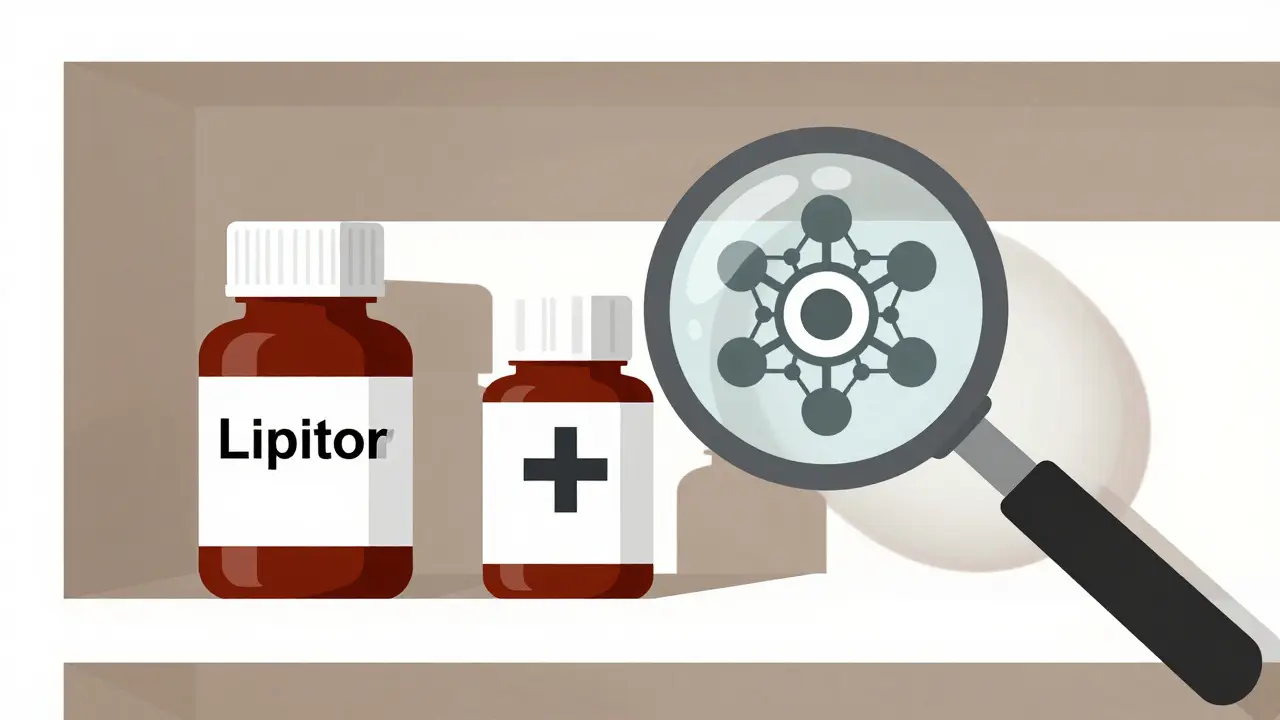
Where You Buy Matters More Than You Think
Most counterfeit drugs come from online pharmacies. The DEA says 96% of websites selling prescription drugs are illegal. And 89% of those sell fake medicine. If you’re buying pills from a site that doesn’t require a prescription, or one that offers “discounts” on brand-name drugs with no reason why, you’re playing Russian roulette. These sites often ship from overseas labs with zero oversight. They don’t care if you live or die. Even if the site looks professional-fake logos, fake testimonials, fake “verified” badges-it’s still a trap. The DEA found that counterfeit pills are now so well-made that even pharmacists can’t tell without lab tests. But you don’t need to be an expert to know: if it’s too good to be true, it’s fake.What to Do If You Suspect a Fake
Don’t wait. Don’t hope it was a one-time thing. Act. First, stop taking the medicine. Keep the pills, the bottle, and the receipt. Don’t throw them away. Contact your pharmacist immediately. They can check the lot number against manufacturer databases. Eli Lilly, Pfizer, and Merck all maintain public lists of known counterfeit lot numbers. You can call them directly. Report it. Use the FDA’s MedWatch system. Or call your country’s medicine regulator. In the UK, contact the MHRA. In the U.S., go to fda.gov/medwatch. Your report helps track these drugs before they hurt someone else. If you or someone else has taken the pill and is now sick-dizzy, vomiting, having trouble breathing, or losing consciousness-call emergency services right away. Tell them you suspect a counterfeit medication. Time matters.How to Protect Yourself Going Forward
Buy only from licensed pharmacies. That means physical stores with a pharmacist on-site, or online pharmacies that require a prescription and are verified by a trusted program like the National Association of Boards of Pharmacy’s VIPPS seal. Never buy from social media sellers, marketplaces like eBay or Facebook, or websites that send unsolicited emails with “special offers.” Keep a record of your prescriptions. Note the pill’s color, shape, imprint, and size. When you refill, compare the new batch to the old one. If anything changes, ask questions. Talk to your doctor. If you’re worried about cost, ask about generic alternatives. Many generics are just as effective and come from regulated manufacturers. Don’t risk your life for a $10 discount.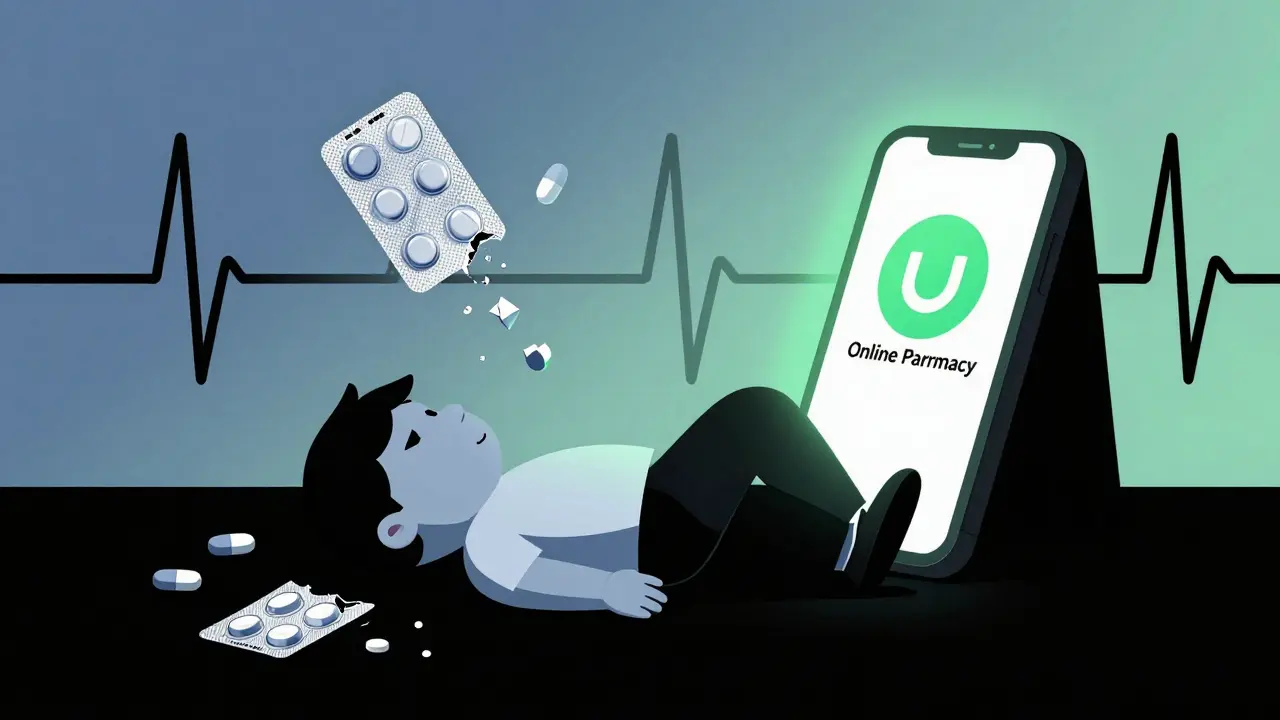
It’s Not Just About Pills
Counterfeit drugs aren’t limited to tablets. Fake insulin, antibiotics, cancer treatments, and even eye drops have been found. In 2023, the FDA issued a warning after 17 patients suffered eye damage from counterfeit Muro 128 ointment. The fake version had no active ingredient-and contained contaminants that burned corneas. Even over-the-counter medicines aren’t safe. Fake painkillers, sleep aids, and allergy pills have been found with toxic fillers. The risk isn’t just in prescription drugs. It’s everywhere.Why This Isn’t Going Away
The global counterfeit drug market is growing. The WHO predicts a 25% annual increase through 2025. Criminal networks are using AI to replicate packaging. They’re targeting teens with pills that look like Adderall or Xanax but contain fentanyl. They’re selling them through Instagram and Snapchat. Pharmaceutical companies are fighting back-with DNA markers, nanotechnology threads, and blockchain tracking. But technology alone won’t save you. Awareness will. You don’t need to be a scientist to spot a fake. You just need to pay attention.Frequently Asked Questions
How can I tell if my medicine is fake just by looking at it?
Look for inconsistencies: mismatched colors, blurry printing, misspelled names, or wrong pill shape. Compare your current pills to a previous refill. If the imprint is faded, the tablet is crumbly, or the size has changed, it could be counterfeit. Even small differences matter-legitimate drugs are made to exact standards.
Can fake medicine make me sick even if I’ve taken it before without issues?
Yes. A fake pill might contain dangerous substances you’ve never been exposed to-like fentanyl, methamphetamine, or toxic chemicals. Even if you’ve taken the same drug for years, a counterfeit version can cause sudden, severe reactions like rapid heartbeat, high blood pressure, or respiratory failure. Never assume safety just because you’ve used it before.
Is it safe to buy medicine from websites that offer big discounts?
No. The DEA says 96% of online pharmacies selling prescription drugs are illegal. Sites offering huge discounts on brand-name drugs are almost always selling counterfeits. These drugs may contain nothing, the wrong ingredient, or deadly toxins. Save money by asking your doctor about generic options-not by risking your life online.
What should I do if I think I’ve taken a counterfeit drug?
Stop taking it immediately. Keep the medicine, packaging, and receipt. Contact your pharmacist or doctor right away. Report it to your country’s medicine regulator-like the FDA in the U.S. or MHRA in the UK. If you feel sick, call emergency services and tell them you suspect a counterfeit medication. Your report could save someone else’s life.
Are all generic drugs fake?
No. Generic drugs are legally approved copies of brand-name drugs and are just as safe and effective. They’re made under the same strict rules. The problem is with fake generics-counterfeit pills that look like real ones but contain no active ingredient or dangerous additives. Always buy generics from licensed pharmacies. If the price seems too low, or the pill looks wrong, ask questions.
Can I test my medicine at home to see if it’s real?
No. There’s no reliable home test to confirm if a pill is counterfeit. Only lab testing with tools like mass spectrometry can identify fake ingredients. Don’t rely on online videos or DIY methods. If you suspect a fake, contact your pharmacist or health authority. They have the tools and databases to check it.


