
When you hear the word biosimilar, you might think it’s just another generic drug. But it’s not. Biosimilars are not copies like the little pills you take for high blood pressure. They’re complex, living molecules - made from living cells - designed to match expensive biologic drugs used to treat cancer, rheumatoid arthritis, diabetes, and Crohn’s disease. And in 2026, the way the FDA approves them has changed dramatically.
What Makes a Biosimilar Different From a Generic?
Generics are chemically identical to their brand-name counterparts. If you take a generic ibuprofen, the molecule is exactly the same as Advil. Biosimilars? Not even close. They’re made from proteins produced by living cells - think human immune cells grown in bioreactors. Even tiny changes in temperature, pH, or nutrient mix during production can alter their structure. That’s why a biosimilar isn’t called an identical copy. It’s called highly similar.
The FDA requires biosimilars to match the reference biologic in structure, function, and safety across more than 200 quality attributes. That means using advanced tools like mass spectrometry, chromatography, and bioassays to compare everything from sugar attachments to protein folding. No other drug category demands this level of scrutiny.
The Old Way: A Slow, Costly Path
Before October 2025, getting a biosimilar approved meant jumping through a series of expensive hoops. Companies had to run full-scale clinical trials comparing the biosimilar directly to the reference biologic - often taking three years or more. These studies weren’t just long; they were costly. Development budgets ranged from $100 million to $300 million. For context, a single biologic drug like adalimumab (Humira) costs $50,000 to $100,000 per patient per year. Yet, despite the high price, only 23% of U.S. patients on eligible biologics were switched to biosimilars.
Why? Because the regulatory process discouraged competition. Smaller biotech firms couldn’t afford the trials. Only 12 of the 76 approved biosimilars came from companies with fewer than 100 employees. Meanwhile, in Europe, where the approval process was simpler, biosimilars captured 67% of the market. The U.S. was falling behind.
The 2025 Shift: What Changed?
On October 29, 2025, the FDA dropped a bombshell: it no longer routinely required comparative clinical efficacy studies to prove biosimilarity. Instead, it said: if you can show your biosimilar is analytically identical to the reference product - and you’ve proven it behaves the same in the body through pharmacokinetic (PK) and immunogenicity studies - you don’t need a full clinical trial.
This change hinges on three conditions:
- The reference product and biosimilar are made from clonal cell lines and are highly purified.
- The link between the molecule’s structure and how it works in the body is well understood (like with monoclonal antibodies such as trastuzumab or infliximab).
- A human PK study can be done - meaning you can track how the drug moves through the bloodstream and how long it lasts.
For example, if a biosimilar for etanercept (Enbrel) shows identical protein shape, binding strength, and clearance rate as the original - and causes the same immune response - the FDA now considers that enough. No need to test it on 500 patients with rheumatoid arthritis for two years.
This alone could cut development time from 8-10 years down to 5-7 years and slash costs from $100-300 million to $50-150 million per product.
Interchangeability: The Big Controversy
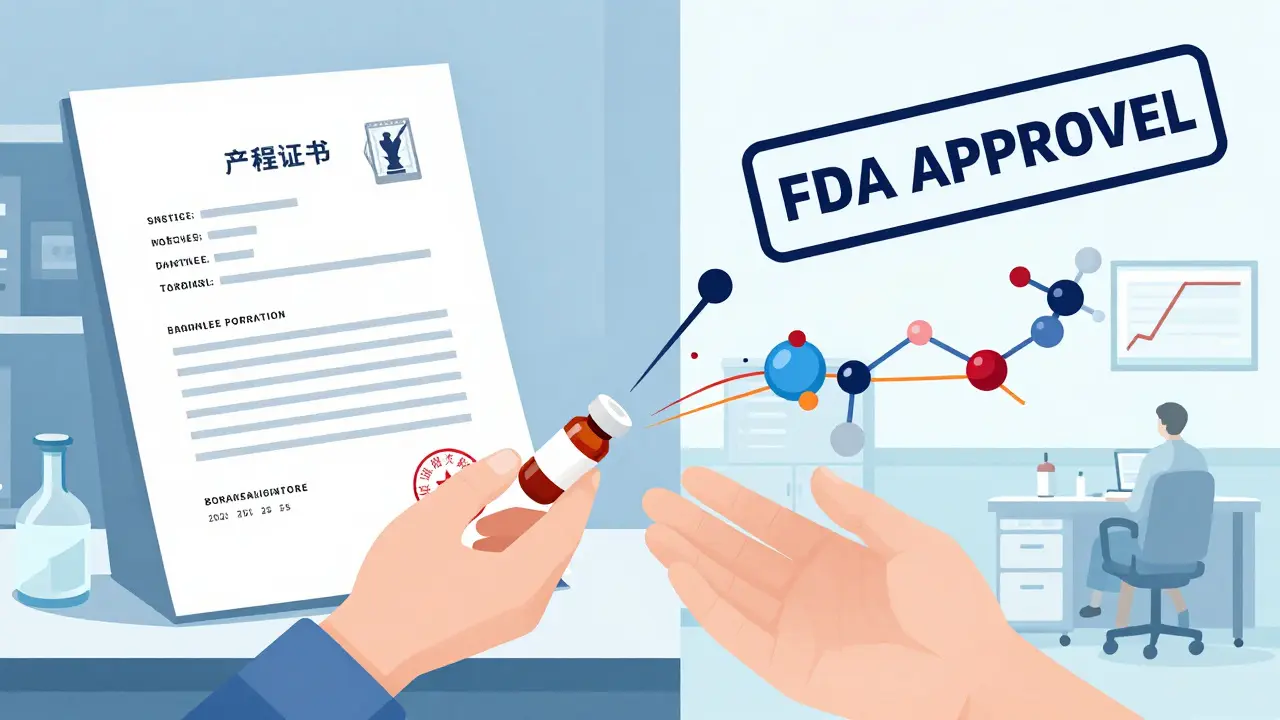
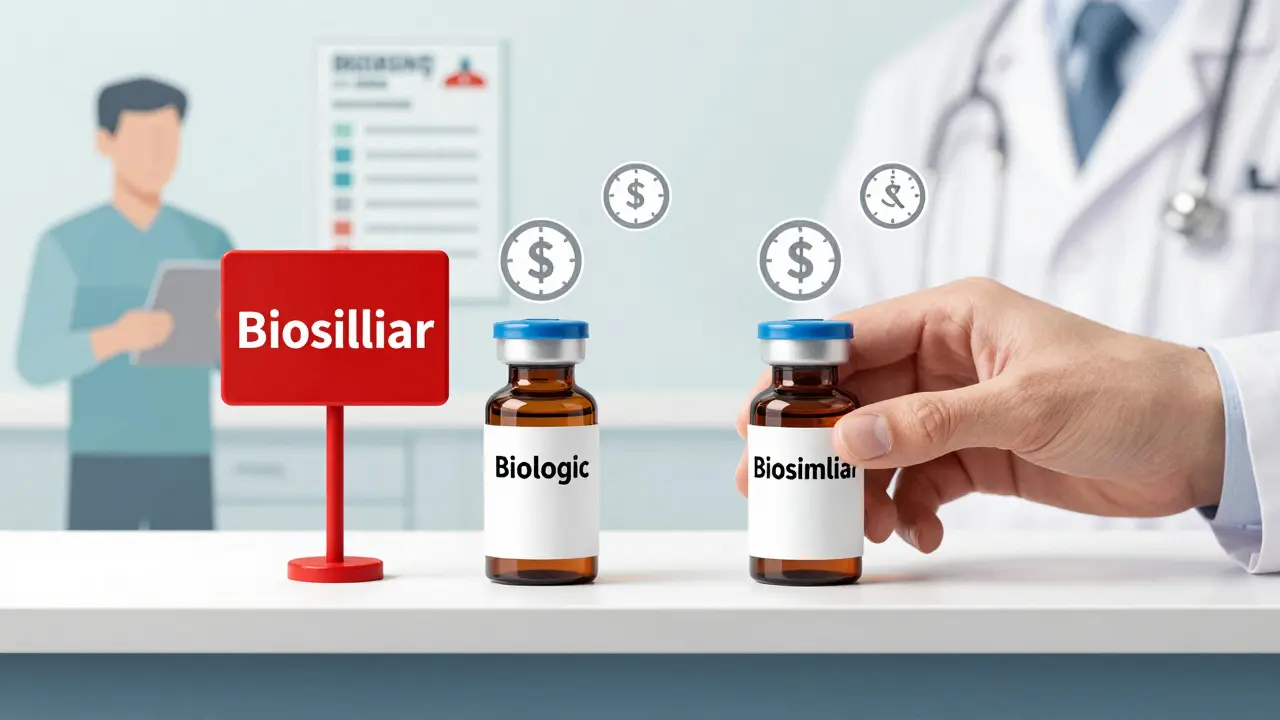
Interchangeability is the holy grail. It means a pharmacist can swap a biosimilar for the brand-name drug without asking the doctor. In the U.S., this required separate “switching studies” - where patients were alternated between the biologic and biosimilar to prove no extra risk. It was a legal hurdle, not a scientific one.
Then, in October 2025, FDA Commissioner Marty Makary said it outright: “Every biosimilar should have the designation of interchangeable.” He called interchangeability “a legislative term, not a scientific term.”
That sparked backlash. Critics argue that removing the distinction could confuse doctors and patients. Dr. Robert Popovian from PhRMA warned it might erode trust. But the FDA approved two denosumab biosimilars as interchangeable in October 2025 - the first time multiple products got the label for the same reference drug. That’s a signal: the FDA is moving fast.
Still, 34 states have laws that block pharmacists from substituting without prescriber approval. So even if a biosimilar is FDA-interchangeable, your pharmacist might not be allowed to switch you. That’s a major roadblock.
Who’s Winning and Who’s Struggling?
The market is shifting. Sandoz, Pfizer, and Amgen still lead with 17, 12, and 10 approved biosimilars respectively. But new players like Viatris and Biocon are gaining ground. Hikma and Gedeon Richter got their denosumab biosimilars approved and interchangeable in late 2025 - a milestone.
But the biggest winners? Hospitals. Mayo Clinic reported a 37% drop in biologic drug costs after switching to biosimilars for cancer treatments - saving $18 million in one year. The CDC estimates biosimilars could save the U.S. healthcare system $250 billion over the next decade.
Yet, only 28 companies have successfully developed biosimilars. Why? Because the analytical tools required - mass spectrometry, advanced bioassays - are expensive and hard to master. It takes 12-18 months just to build the lab infrastructure. And 42% of applications still get “complete response letters” from the FDA asking for more data.
Where It Works - and Where It Doesn’t
The new pathway works best for well-understood molecules. Monoclonal antibodies like those used for arthritis and cancer are ideal. Their structure and function are mapped out. We know which parts matter.
But for antibody-drug conjugates - where a cancer-killing toxin is attached to a targeting antibody - it’s trickier. The relationship between structure and effect isn’t fully clear. The FDA’s guidance says sponsors must be extra careful here. More data will be needed.
Also, biosimilars for chronic conditions - like those for osteoporosis or diabetes - require long-term safety data. The FDA still recommends post-market monitoring. Real-world evidence matters.
What’s Next?
The draft guidance is open for public comment until January 27, 2026. Final rules are expected by June 2026. Analysts predict annual approvals could jump from 8-10 to 15-20. By 2030, biosimilars could capture 40-50% of the U.S. market - up from 23% today.
But challenges remain. Patent litigation delays entry for 68% of approved biosimilars, according to the FTC. And without legislative clarity on interchangeability, pharmacists and doctors may still hesitate. The FDA can push science forward - but it can’t rewrite federal law.
For patients, the message is simple: biosimilars are safe, effective, and now faster to reach you. For providers, it’s about understanding the science. For payers, it’s about savings. And for the FDA? It’s about making sure the right drugs get to the right people - without unnecessary delays.
Are biosimilars as safe as the original biologic drugs?
Yes. The FDA requires biosimilars to meet the same rigorous standards for safety, purity, and potency as the original biologic. Over 76 biosimilars have been approved since 2015, and real-world data from hospitals and patient surveys show no increased risk of adverse events. A 2025 Arthritis Foundation survey of 1,247 patients found 78% were satisfied with their biosimilar’s effectiveness. Minor differences like injection site reactions were reported by 22%, but these were not clinically significant.
Why are biosimilars cheaper than biologics?
Biosimilars cost less because they don’t need to repeat the massive clinical trials that proved the original biologic works. The FDA now accepts data from analytical studies and PK tests as proof of similarity. This cuts development costs from $100-300 million to $50-150 million. That savings gets passed on. For example, a biosimilar version of adalimumab (Humira) can cost 30-50% less than the brand.
Can my pharmacist switch my biologic to a biosimilar without asking my doctor?
It depends on your state. While the FDA can designate a biosimilar as interchangeable, individual states control pharmacy substitution rules. As of 2026, 34 states still require prescriber approval before substitution. Only 16 states allow pharmacists to switch automatically. The FDA supports automatic substitution, but it can’t override state law. Check your state’s pharmacy board rules if you’re unsure.
How do I know if a biosimilar is right for me?
Talk to your doctor. Biosimilars are approved for the same conditions as the original biologic - whether it’s rheumatoid arthritis, psoriasis, or cancer. Clinical studies and real-world use show they work just as well. If cost is a barrier, ask if a biosimilar is available. Many patients report similar or better outcomes. The FDA’s Biosimilars Community Resource Center offers patient-friendly guides to help you understand your options.
Why aren’t more biosimilars available in the U.S.?
Three main reasons: high development costs, patent litigation, and complex regulations. Before 2025, the FDA required lengthy clinical trials that deterred small companies. Even now, only 28 firms have successfully brought biosimilars to market. Patent lawsuits delay entry - 68% of approved biosimilars face legal challenges. Plus, state-level restrictions on pharmacist substitution limit uptake. The FDA’s 2025 guidance is designed to fix these issues, but it will take time for the market to catch up.


