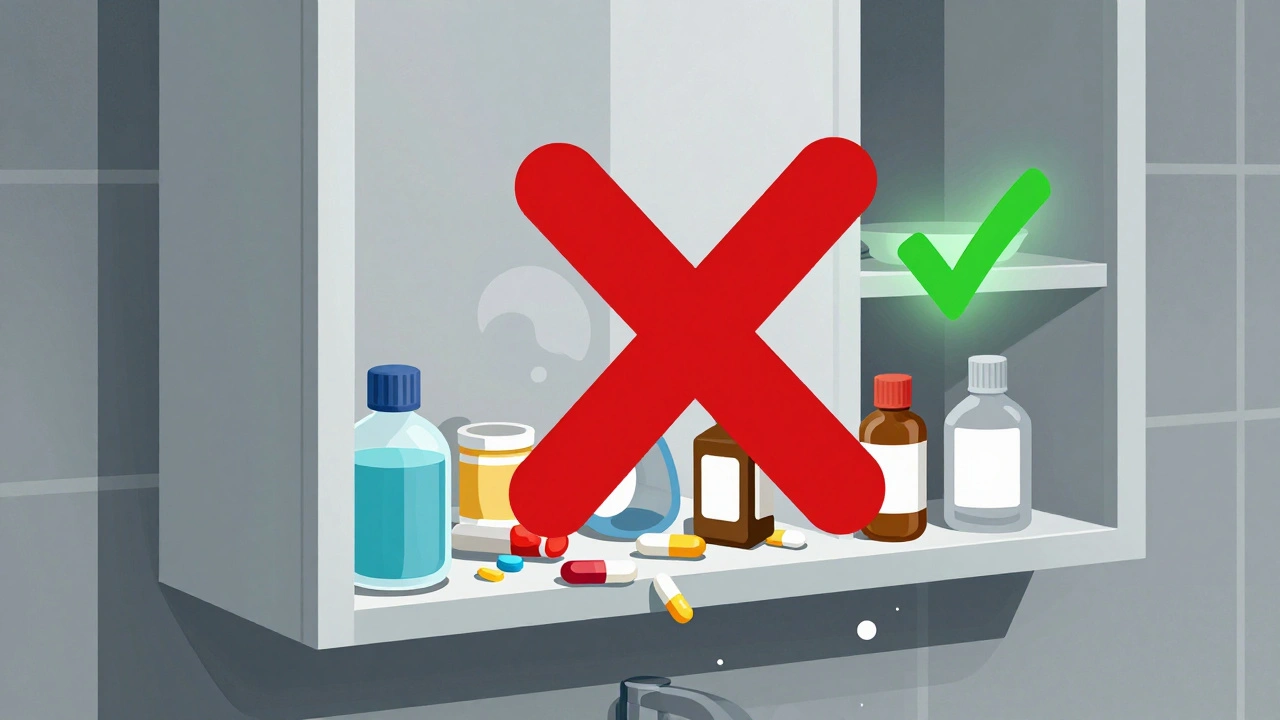

Most people don’t think about their medicine cabinet until they need something-and by then, it’s often too late. You reach for that old painkiller, cough syrup, or antibiotic, only to find it’s been sitting there for years. Maybe it’s faded. Maybe it smells weird. Or maybe you just can’t remember when you bought it. Expired medications aren’t just useless-they can be dangerous.
Why Expired Medications Are a Real Risk
You’ve probably heard that drugs lose potency over time. But what most people don’t realize is that some expired medicines don’t just stop working-they become harmful. Tetracycline antibiotics, for example, can turn toxic after expiration, damaging your kidneys. Insulin, epinephrine, and liquid antibiotics lose effectiveness fast. If you’re using them during an emergency, like an allergic reaction or diabetic crisis, a weakened dose could be life-threatening. Even if a pill looks fine, humidity and heat from your bathroom can break it down. A 2022 Yale study found that storing medicine in a bathroom cabinet reduces potency by 15-25% in just six months. That means your headache pill might only be giving you 70% of the intended relief. And if you’re taking antibiotics that aren’t strong enough, you risk creating drug-resistant bacteria-a growing public health crisis linked to 12-15% more hospital infections from improperly used home meds.What to Check: The Complete Medicine Cabinet Inventory
Start by taking everything out. Don’t just glance at the bottles. Look at each item, one by one. Here’s what to look for:- Expiration dates: Check every bottle, tube, and packet-even supplements, vitamins, and topical creams. If the date has passed, toss it.
- Appearance changes: Pills that are cracked, discolored, or sticky. Liquid meds that are cloudy, murky, or have particles floating in them. Ointments that smell rancid or separate into layers.
- Unmarked containers: If you can’t read the label, or it’s missing entirely, throw it out. No exceptions.
- Prescription drugs older than a year: Even if the label says the expiration is two years away, the National Kidney Foundation recommends discarding any prescription medication after 365 days. Your body’s needs change. Your condition might be gone. The drug might be unnecessary-or unsafe.
Where to Store Medications (And Where Not To)
Your bathroom isn’t the best place for medicine. Steam from showers, heat from pipes, and moisture from sinks create a perfect storm for degradation. The same goes for the kitchen near the stove or a windowsill that gets direct sunlight. Instead, keep your medicines in a cool, dry place-like a bedroom drawer, a kitchen cabinet away from the sink, or a locked box on a shelf. Temperature matters: ideal storage is below 77°F (25°C), away from direct light. Some medications, like insulin, need refrigeration. Always follow the label.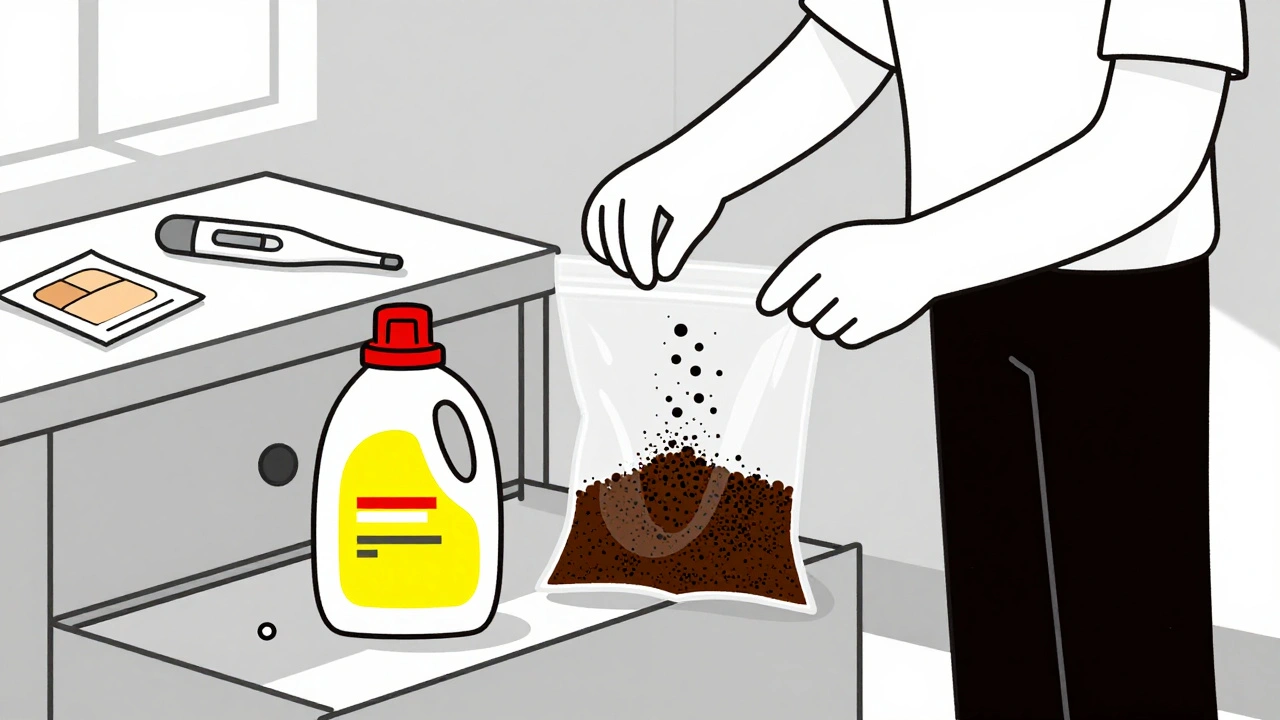
How to Dispose of Expired Drugs Safely
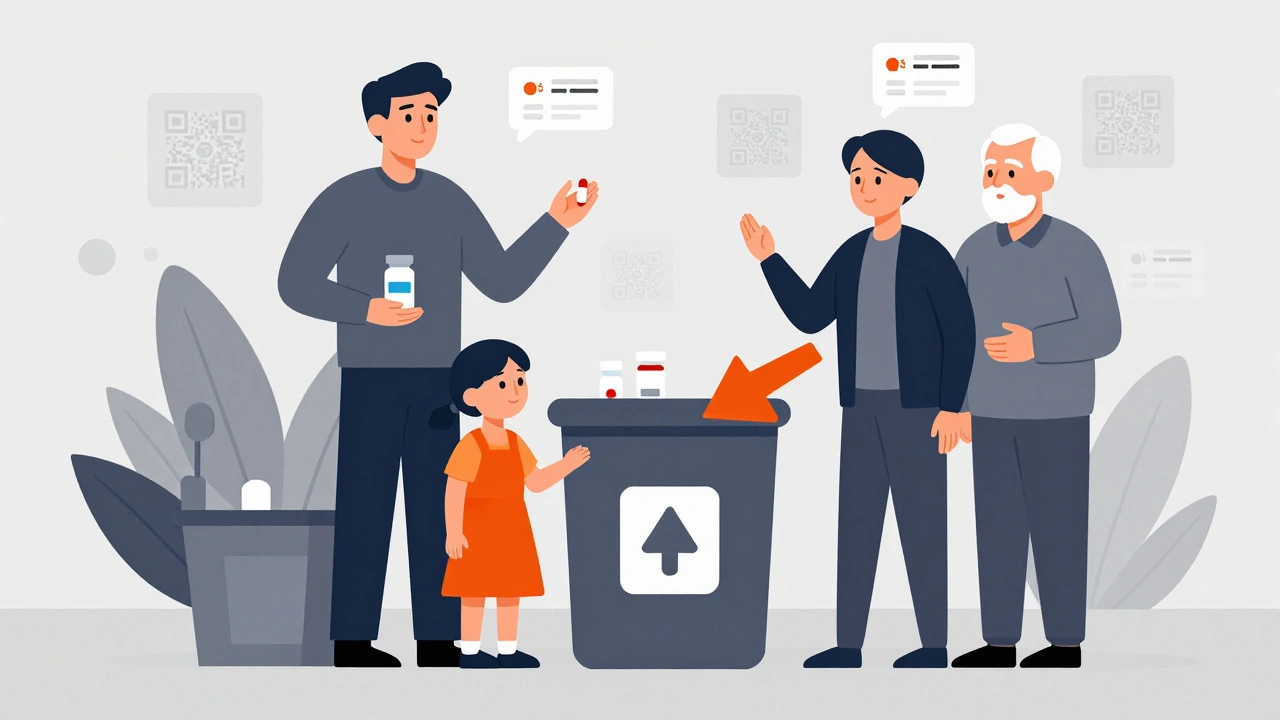
Never flush pills down the toilet. Don’t throw them loose in the trash. And don’t just toss the bottle in the recycling-your personal info is still readable. The safest way? Use a drug take-back program. The DEA runs National Prescription Drug Take Back Day twice a year, and there are over 14,600 permanent collection sites across the U.S.-mostly at pharmacies, hospitals, and police stations. You can find the nearest one using the DEA’s online locator. If you can’t get to a drop-off point, here’s the FDA-approved home method:- Remove pills from their original bottles.
- Mix them with something unappealing-used coffee grounds, cat litter, or dirt. Use at least two parts filler to one part medication.
- Put the mixture in a sealed plastic bag or container.
- Scratch out or black out your name and prescription info on the empty bottle.
- Throw the sealed container in the trash.
What Should Always Be in Your Cabinet
Once you’ve cleared out the junk, rebuild with purpose. You don’t need a pharmacy-just essentials for minor emergencies:- Adhesive bandages (at least 20 of assorted sizes)
- Gauze pads (10 or more)
- Medical tape
- Digital thermometer (no mercury)
- Alcohol wipes (10 or more)
- Hydrogen peroxide (for cleaning minor cuts)
- Petroleum jelly (for chapped skin or minor burns)
- Scissors and tweezers (clean and sharp)
Who’s Most at Risk-and Why This Matters
Older adults are the most likely to have cluttered cabinets. A 2022 Scripps Health survey found they’re 37% more likely to grab the wrong pill in a messy cabinet, leading to dangerous interactions. Children are another big concern. In 2022 alone, U.S. poison control centers handled over 67,000 cases of kids accidentally swallowing medicine from home cabinets. Some pills come in bright colors or sweet flavors-easy to mistake for candy. And then there’s the opioid crisis. The CDC reports that 70% of misused prescription opioids start in the home medicine cabinet. Unused painkillers sitting around are a magnet for teens, visitors, or even well-meaning relatives who think, “I’ll just take one for my back.”Make It a Habit: The Twice-Yearly Check
The easiest way to stay on top of this? Tie it to something you already do. Most experts recommend checking your cabinet twice a year-right after you change your clocks for daylight saving time. Spring forward, fall back-time to sort your meds. Set a calendar reminder. Put a sticky note on your bathroom mirror. Ask a family member to help. The goal isn’t perfection-it’s consistency. A clean cabinet means you’re ready when you need to be.What’s Next? Smart Cabinets and New Rules
New tech is making this easier. Some companies are testing smart medicine cabinets with humidity sensors and QR codes that scan expiration dates. Amazon and Google are developing inserts that will alert you if your meds are getting too warm or damp-coming in 2025. Laws are catching up too. By March 2024, 34 states required pharmacies to include disposal instructions with every prescription. That’s up from just 12 in 2020. More people are learning: safe storage and proper disposal aren’t optional. They’re part of being responsible with your health.Can I still use medicine after the expiration date?
For most pills, the expiration date is the last day the manufacturer guarantees full potency and safety. While some drugs may remain stable past that date, you can’t be sure. Certain medications-like insulin, epinephrine, nitroglycerin, liquid antibiotics, and tetracycline-should never be used past expiration. Even if it looks fine, the risk isn’t worth it.
What if I accidentally took an expired pill?
If it was a one-time accidental dose of something like an old painkiller or antacid, you’re likely fine. But if you took an expired antibiotic, insulin, or heart medication, contact your doctor or poison control immediately. Don’t wait for symptoms. Some effects are delayed, and early action can prevent serious harm.
Do vitamins and supplements expire?
Yes. They don’t turn toxic like some prescription drugs, but they lose potency. A vitamin C tablet from two years ago might give you only half the benefit. If it’s crumbly, smells off, or the color has changed, toss it. Your money and health are better spent on fresh ones.
Can I recycle empty medicine bottles?
Only if the label is completely removed or scratched out. Many recycling programs won’t take them because of privacy concerns. Once your name and prescription info are gone, check your local recycling rules-some accept #1 or #2 plastics. Otherwise, throw them in the trash.
What should I do with old syringes or needles?
Never throw loose needles in the trash. Use a hard plastic container like an empty laundry detergent bottle. Seal it tightly with heavy-duty tape. Label it clearly: “SHARPS-DO NOT RECYCLE.” Then dispose of it with your regular trash. Many pharmacies offer free sharps containers if you ask.
Is it safe to flush medications down the toilet?
No. Flushing meds contaminates water supplies and harms aquatic life. Only flush if the label specifically says to-this applies to very few drugs, like certain opioids with high abuse potential. For almost everything else, use a take-back program or the FDA’s home disposal method: mix with coffee grounds or cat litter, seal, and trash.


