
If you have ever had a kidney stone, you know it is one of the most intense pains a person can experience. But the real problem isn't just that one episode; it is the fact that kidney stone prevention is a lifelong game. About 30% to 50% of people will see another stone within three to five years. Because of this, medical experts now view this as a chronic metabolic disorder rather than a one-time accident. If you don't change your habits, the five-year recurrence rate can climb as high as 70%.
The Core Strategy for Stopping Recurrence
The goal isn't just to "get through" a stone episode, but to change the chemistry of your urine so crystals can't form in the first place. The most effective way to do this is by focusing on three main pillars: hydration, salt control, and the right balance of minerals. Think of your kidneys like a filtration system; if the liquid is too concentrated, the minerals crash out of the solution and form solid rocks.
| Target | Recommended Value | Why It Matters |
|---|---|---|
| Daily Fluid Intake | 2.5 to 3 Liters | Keeps urine dilute to prevent crystal buildup |
| Daily Sodium | Under 2 Grams | High salt forces more calcium into the urine |
| Animal Protein | Limit to ~8 oz/day | Reduces acid load and increases stone risk |
| Urine Volume | Over 2.5 Liters/24h | The gold standard for preventing recurrence |
Hydration: More Than Just Drinking Water
Most people think they are hydrated because they drink when they feel thirsty. Here is the problem: thirst is a lagging indicator. By the time you feel thirsty, your urine is already becoming concentrated. To truly stop stones, you need to aim for a 24-hour urine volume of at least 2.5 liters. This means you actually need to drink between 2.5 and 3 liters of fluid daily to account for water lost through sweat and breathing.
While Water is the best choice, you don't have to stick to plain water. Tea and coffee are generally fine. A pro tip from the NHS is to add fresh lemon juice to your water. Lemons are rich in citrate, a natural inhibitor that prevents calcium from binding to oxalate and forming stones. If you enjoy lemonade or orange juice, those are also helpful for the same reason.
The Calcium Paradox: Why You Shouldn't Stop Eating It
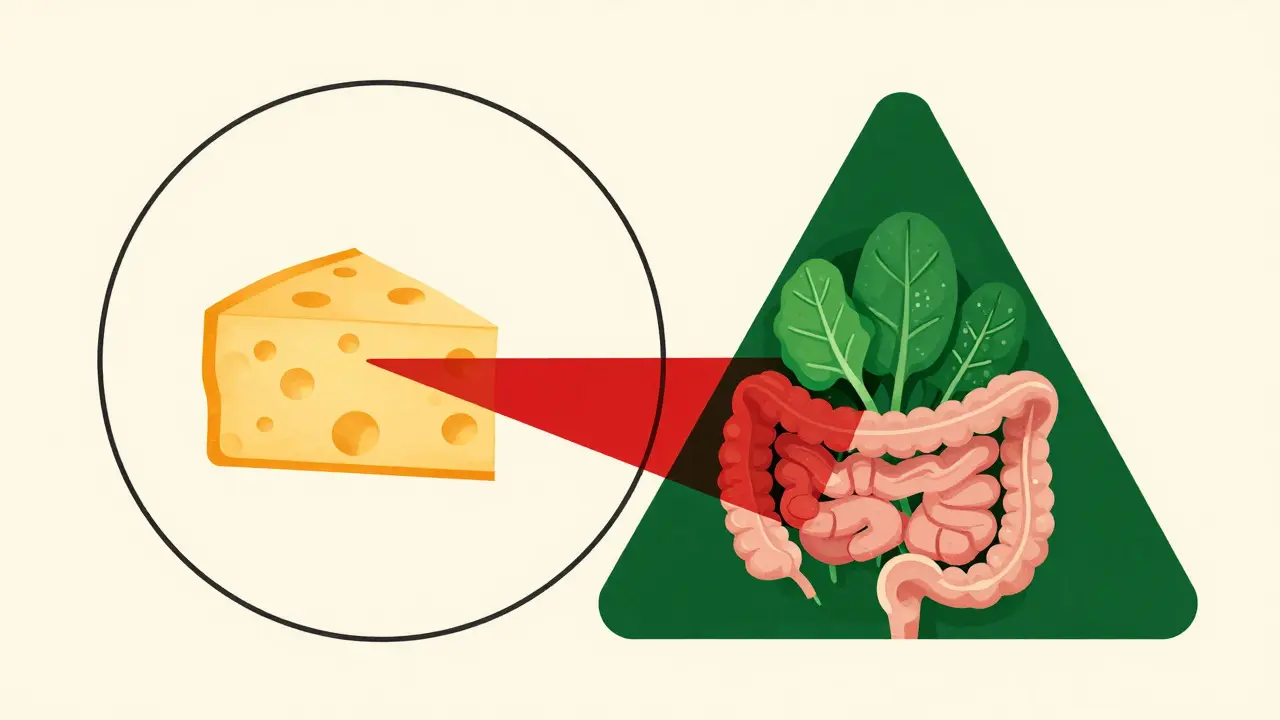
One of the biggest myths is that you should avoid calcium if you have calcium-based stones. This is actually dangerous advice. When you cut out Calcium, your body absorbs more oxalate (a compound found in many plants) from your food. Since calcium normally binds to oxalate in your gut to be flushed out in your stool, removing calcium means more oxalate enters your bloodstream and heads straight to your kidneys, increasing your stone risk.
The trick is balance. Instead of avoiding dairy, focus on pairing calcium-rich foods with your meals. This ensures that oxalate is trapped in the digestive tract rather than the urinary tract. For those looking for a structured approach, the DASH Diet (Dietary Approaches to Stop Hypertension) is highly recommended, as it has been shown to reduce risk by 40-50% by emphasizing fruits, vegetables, and lean proteins.
Managing Salt and Protein
Salt is a hidden enemy. Most of the sodium we eat doesn't come from the salt shaker, but from processed foods, which account for about 75% of dietary sodium. High sodium intake triggers the kidneys to dump more calcium into the urine, which provides the raw material for stones. Aim for no more than 2 grams of sodium (roughly 5 grams of salt) per day.
Similarly, keep an eye on your animal protein. Heavy consumption of red meat and poultry increases the acid load in your body and lowers the levels of citrate in your urine. Try to limit animal protein to about 8 ounces per day and swap some of it for plant-based proteins like lentils or beans, which are generally gentler on the kidneys.
Professional Diagnosis and Long-Term Monitoring
Because this is a chronic condition, a "one and done" approach doesn't work. You should work with a multidisciplinary team-typically a urologist, a nephrologist, and a dietitian. One of the most valuable tools they can use is a 24-hour urine collection. This test reveals exactly why you are forming stones (e.g., too much calcium, too little citrate, or high acidity).
If you are starting a new prevention medication or a strict diet, the European Association of Urology suggests a follow-up urine measurement about eight to twelve weeks later. This ensures the changes are actually working. It is also critical to have any passed stones analyzed in a lab. Knowing if your stone is calcium oxalate, uric acid, or cystine allows your doctor to give you a personalized plan instead of a generic one.
Can I drink soda or fizzy drinks to stay hydrated?
It is better to avoid them. Many fizzy drinks contain phosphoric acid or high levels of sugar, which can interfere with mineral balance and potentially increase the risk of stone formation. Stick to water, lemon-infused water, or diluted natural juices.
Should I completely stop eating spinach and nuts because of oxalates?
Not necessarily. Many healthy plant foods are high in oxalate, but total avoidance isn't usually required. The key is to eat these foods alongside a source of calcium. When calcium and oxalate meet in the stomach, they bind together and leave the body through stool rather than through the kidneys.
How much water is actually enough?
The target is to produce more than 2.5 liters of urine every 24 hours. Because you lose water through skin and breath, you generally need to drink 2.5 to 3 liters of fluid. If you live in a hot climate or exercise heavily, you will need even more to compensate for sweat.
Is it true that some medications can prevent stones?
Yes, but it depends on the stone type. Some people benefit from citrate supplements or specific diuretics. However, recent studies have shown that some traditional medications, like hydrochlorothiazide, may not be significantly more effective than a placebo for everyone. This is why a 24-hour urine test is essential before starting medication.
Does kidney stone disease affect overall kidney function?
Yes, it can. Recurrent stones can lead to chronic kidney disease in about 19% of frequent stone formers. This happens because repeated obstructions or chronic inflammation can damage the kidney tissue over time, making long-term prevention vital for maintaining overall organ health.
Next Steps for Prevention
If you've recently passed a stone, start by keeping a hydration log. Use a marked bottle to ensure you are hitting that 3-liter mark. Next, start reading labels on your favorite snacks-you'll be surprised how much sodium is hidden in things like bread and salad dressings. Finally, schedule a metabolic work-up with your doctor to see if your urinary pH and citrate levels are where they need to be. Remember, this is a marathon, not a sprint; consistent, small changes are what stop the next stone from forming.


