
Imagine taking a medication that was supposed to help your blood pressure, only to find yourself dealing with a severe, unexpected rash or a sudden drop in kidney function. You might wonder if this is just a rare side effect or if the drug itself has a systemic problem that others are experiencing. This is where FDA MedWatch is the U.S. Food and Drug Administration's official safety information and adverse event reporting program. By reporting your experience, you aren't just documenting your own health journey; you're providing the raw data the government needs to issue safety alerts or even pull dangerous products off the market.
Quick Guide to MedWatch Reporting
Depending on who you are-a patient or a doctor-the way you report a reaction changes. Here is the fast track to getting your report submitted:
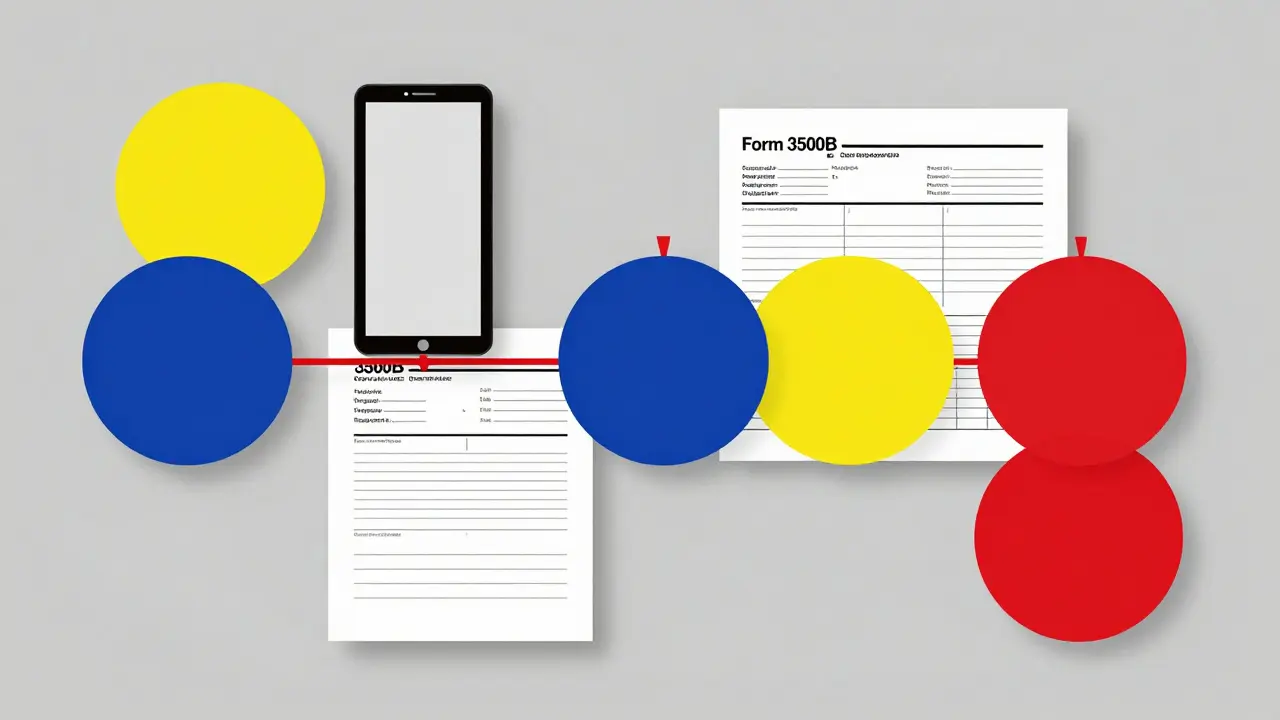
- Consumers/Patients: Use Form 3500B (simplified 3-page form) or the online portal.
- Healthcare Professionals: Use Form 3500 (detailed 5-page form) or integrated EHR systems.
- Manufacturers: Must use Form 3500A (mandatory reporting).
- Online Submission: Visit FDA.gov/MedWatch for the fastest electronic filing.
What Exactly Counts as a Reportable Event?
One of the biggest hurdles people face is deciding if an event is "serious enough" to report. You don't need to be a medical detective or prove that the drug definitely caused the problem. The FDA defines a reportable event as any "unintended, unfavorable medical occurrence." If you suspect a drug played a role-even if you aren't 100% sure-you should report it. This inclusive approach is vital for Pharmacovigilance, which is the science of detecting and preventing adverse effects of medicines.
For example, if a patient starts a new medication and develops an unexpected mood swing or a mild skin irritation, that's a signal. When thousands of people report that same "mild" irritation, it becomes a statistical trend that leads to label changes. In fact, MedWatch data contributed to nearly half of all drug safety label changes in 2021 alone.
Step-by-Step: How to File Your Report
To make your report useful for the FDA's analysts, you need to be as specific as possible. Vague descriptions like "felt sick" aren't helpful. Instead, describe the exact sensation, the timing, and the outcome.
Follow these steps to ensure your submission is complete:
- Gather Your Data: Collect the exact name of the drug, the dosage (e.g., 20mg), the lot number (found on the packaging), and the dates you started and stopped the medication.
- Document the Timeline: Note exactly when the reaction started. Did it happen ten minutes after the first dose or after three weeks of use?
- List Other Medications: Provide a list of all other supplements or drugs you were taking. This helps the FDA determine if there was a drug-drug interaction.
- Choose Your Method: If you're a patient, the online portal at FDA.gov/MedWatch is the most efficient. It takes about 15 to 20 minutes. If you prefer paper, download Form 3500B.
- Submit and Confirm: Once submitted, keep an eye on your email. The FDA typically sends an acknowledgment confirmation within 21 days.
Different Paths: Voluntary vs. Mandatory Reporting
Not everyone uses MedWatch in the same way. There is a massive difference between a patient reporting a side effect and a pharmaceutical company reporting a clinical failure. The latter is governed by strict laws.
| Feature | Voluntary (Consumers/Pros) | Mandatory (Manufacturers) |
|---|---|---|
| Primary Form | Form 3500 / 3500B | Form 3500A |
| Legal Requirement | Optional / Encouraged | Required by law (21 CFR) |
| Deadline | Recommended within 15 days | Within 10 calendar days |
| Detail Level | Clinical description | High (includes lot/model numbers) |
Pro Tips for Healthcare Providers
If you're a clinician, you know that paperwork is the enemy. Many doctors avoid reporting because it takes too long. However, the landscape is changing. If your facility uses an EHR like Epic, you might be able to use an integrated gateway. For instance, the Indian Health Service uses a specialized template that auto-generates submissions when a clinician creates an "Adverse Reaction/Allergy" note. This can cut reporting time from 25 minutes down to under 10.
If you aren't integrated, remember that the FDA Adverse Event Reporting System (FAERS) is the backend database where your reports go. To make your data more actionable, use clear, descriptive language. Avoid jargon where possible and focus on the clinical outcome-did the patient require hospitalization? Did the reaction stop immediately after the drug was discontinued?
What Happens After You Hit Submit?
Your report doesn't just sit in a digital folder. It is processed using MedDRA (Medical Dictionary for Regulatory Activities), a standardized global terminology that allows the FDA to compare your report with others from across the world.
When a cluster of similar reports appears, the FDA triggers a safety signal. This can lead to several outcomes:
- Label Updates: Adding a new side effect warning to the drug insert.
- Black Box Warnings: The most serious warning the FDA can issue, highlighting life-threatening risks.
- Product Recall: Removing a specific batch or the entire product from the market.
- Safety Communications: Public alerts warning doctors and patients about a newly discovered risk.
A real-world example of this occurred with SGLT2 inhibitors. After over 1,200 MedWatch reports of a rare but severe infection called Fournier's gangrene, the FDA updated the black box warnings to protect future patients.
Common Pitfalls and Where to Get Help
One of the most common mistakes is trying to report the wrong product. MedWatch is for FDA-regulated products like prescription drugs, OTC meds, and medical devices. However, it is not the place for vaccines. If you have a vaccine reaction, you must use the Vaccine Adverse Event Reporting System (VAERS). Similarly, animal drug issues should be sent to the Center for Veterinary Medicine.
If you're struggling with the online form or find the medical jargon confusing, you don't have to guess. The FDA provides a toll-free support line at 1-800-FDA-1088. Most calls are answered within 30 seconds, and they can walk you through the form in real-time.
Does the FDA provide feedback on my specific report?
Generally, no. While the FDA sends an acknowledgment email within 21 days to confirm they received your report, they do not provide individual clinical consultations or a detailed analysis of your specific case back to you. Their focus is on aggregating data to identify broad safety trends across the population.
Is my personal information kept private?
Yes. When filling out the form, you can use initials or a medical record number as a patient identifier. You should never provide a full Social Security number. The FDA focuses on the medical data and the drug's impact, not the personal identity of the patient.
What if I don't have the lot number of the medicine?
While the lot number is highly valuable for identifying manufacturing errors, your report is still useful without it. Provide as much information as you can, such as the pharmacy where you bought it or the date of purchase, and the FDA will work with the available data.
Can I report side effects from CBD or hemp products?
Yes. The FDA updated Form 3500B specifically to include fields for cannabis-derived products due to a significant increase in reports. You can use the standard MedWatch portal to report adverse events related to these products.
How long does it take to complete a report?
For most consumers using the online portal, it takes between 15 and 20 minutes. Healthcare providers using integrated EHR systems can often complete a report in as little as 7 to 8 minutes.
Next Steps for Different Users
For Patients: If you're currently experiencing a severe reaction, contact your doctor or emergency services immediately. Once you're stable, use the online MedWatch portal to ensure your experience helps others.
For Doctors: Check if your EHR provider supports the FDA's SPL gateway. If not, consider designating a specific staff member to handle MedWatch submissions to ensure your clinic meets the recommended 15-day reporting window.
For Pharmacy Owners: Consider implementing QR code reporting cards at prescription pickup points. This lowers the barrier for patients to report issues and increases the quality of post-marketing surveillance data.


