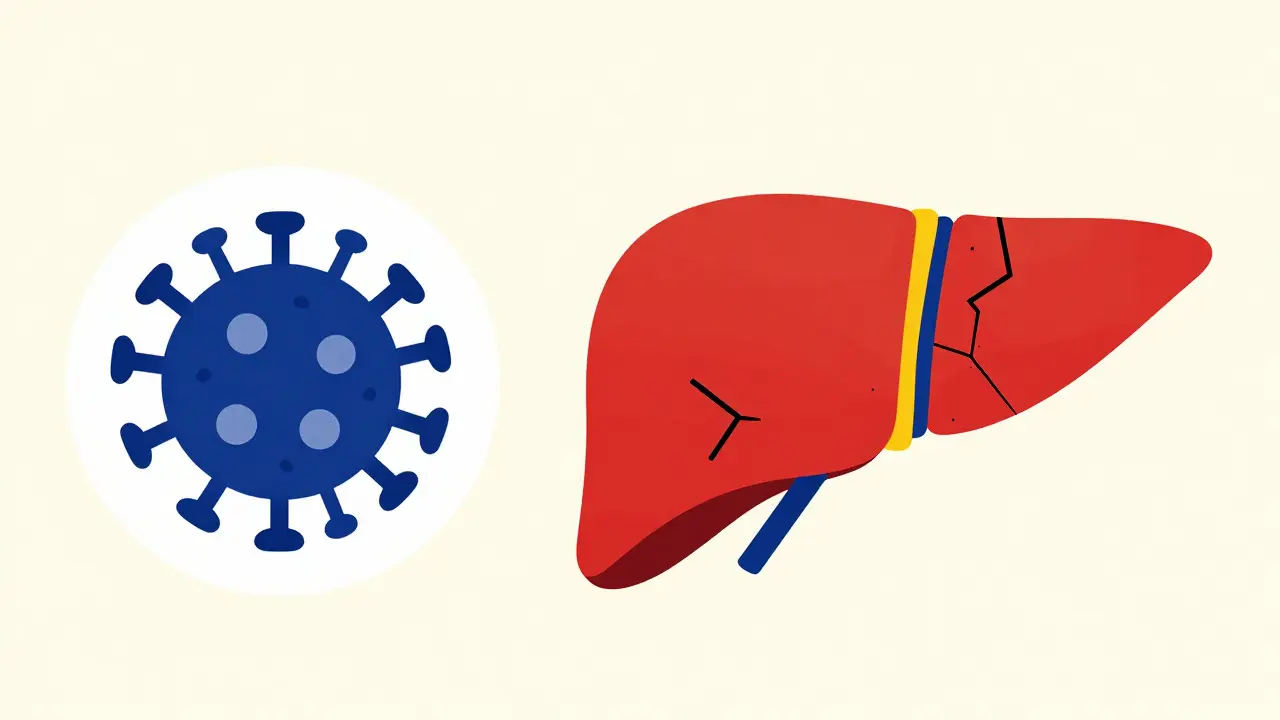

Getting a "cure" for Hepatitis C is a massive win. When you achieve Sustained Virologic Response (also known as SVR), it means the virus is gone from your blood for good. For most people, this is the end of the road for the infection. But here is the tricky part: curing the virus doesn't automatically reset your liver to a "factory setting." If your liver was already badly damaged before treatment, the risk of developing Hepatocellular Carcinoma (or HCC, the most common type of primary liver cancer) doesn't just vanish.
You might be wondering: if the virus is gone, why keep going to the doctor for scans? It comes down to the "scarring" left behind. Think of it like a fire in a house; putting out the fire (SVR) stops the damage from getting worse, but the structural damage to the walls (fibrosis) still exists. In some cases, those damaged areas can still turn into cancer. The goal now is figuring out who is actually at risk and who can finally stop the endless cycle of ultrasounds.
The Reality of Risk After a Cure
First, let's look at the good news. Curing Hepatitis C dramatically slashes your cancer risk. Research shows that achieving SVR reduces the risk of HCC by about 71% to 79% compared to people who aren't treated. Whether you used the newer Direct-Acting Antivirals (or DAAs) or older interferon-based therapies, the drop in risk is significant.
However, "reduced risk" isn't the same as "zero risk." For people who had Cirrhosis (advanced scarring where the liver is heavily nodular) before their cure, the risk remains stubborn. Data from the JAMA Network Open indicates that cirrhotic patients who achieve SVR still face an HCC incidence rate of roughly 2.12 to 2.28 per 100 person-years. While that's much better than the 4.53 rate seen in untreated patients, it's still far higher than someone who never had the virus. This is why SVR liver cancer risk is such a hot topic among specialists.
Why does this happen? It isn't just about the virus. Scientists have found that even after the virus is gone, certain biological pathways-like the upregulation of SPHK1-stay active. Essentially, the "pro-cancer" switches in the liver cells stay flipped on, continuing to drive cell proliferation and inflammation even in the absence of the HCV virus.
Who Actually Needs Ongoing Surveillance?
Not everyone needs to stay on a strict screening schedule. The biggest factor is your "fibrotic burden"-basically, how much of your liver is scarred. If you had mild to moderate liver damage before treatment, your risk after SVR is considered extremely low. For these patients, the benefit of lifelong screening is minimal.
The real concern is for those with advanced fibrosis (Stage F3) or cirrhosis (Stage F4). To determine where you stand, doctors use a few key tools:
- Transient Elastography (often called FibroScan): This measures liver stiffness. If your reading is above 11.2 kPa after SVR, you're generally considered high-risk.
- FIB-4 Index: A blood-based calculator. A score higher than 3.25 usually suggests that continued monitoring is necessary.
If your annual risk of developing HCC is higher than 1.32%, most guidelines suggest you should continue surveillance indefinitely. The catch? There is a bit of a disagreement between the US and Europe on exactly where that line is drawn.
| Guideline Body | Advanced Fibrosis (F3) | Cirrhosis (F4) | Key Rationale |
|---|---|---|---|
| EASL (Europe) | Recommended | Recommended | Concern over fibrosis misclassification |
| AASLD (USA) | Not Recommended | Recommended | Low absolute risk in F3 patients |
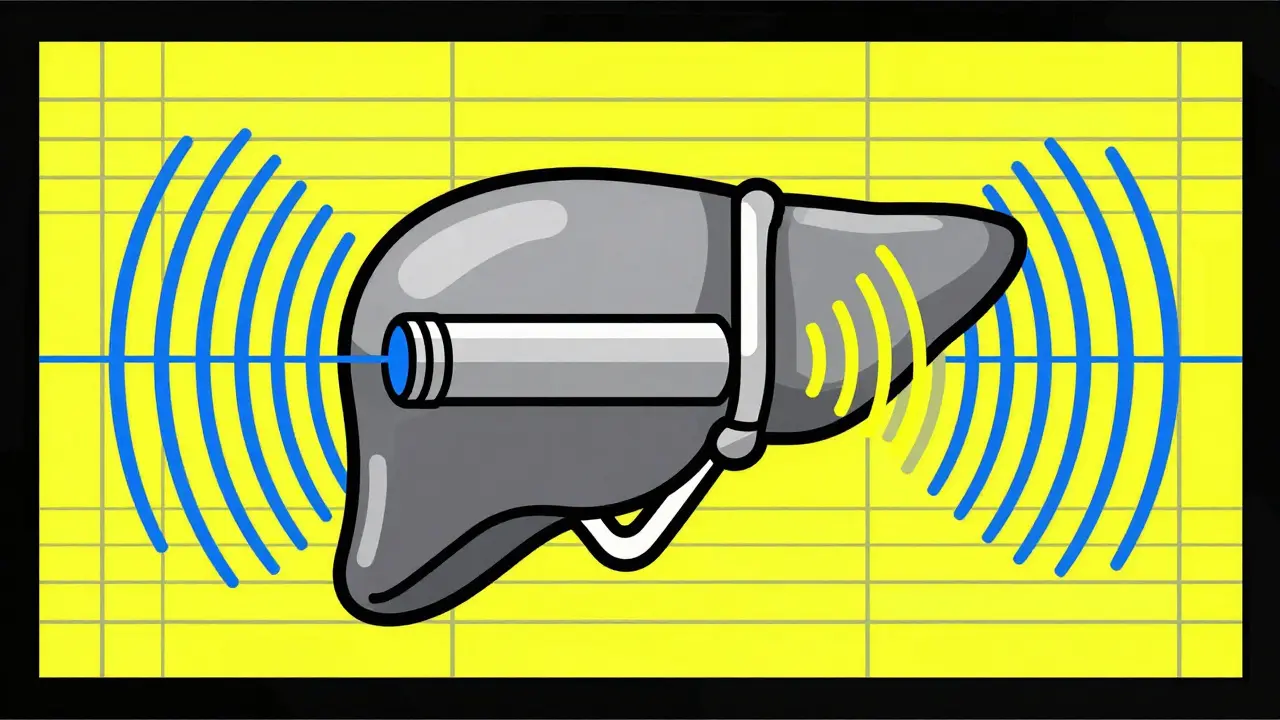
The "SVR Trap": Why People Stop Screening
There is a dangerous psychological phenomenon that happens after a cure. Patients often hear the word "cured" and assume they are completely healthy. This leads to what some clinicians call the "SVR trap," where patients stop showing up for their six-month ultrasounds because they feel great and their blood work looks normal.
The numbers are worrying. One study found that only about 25% of eligible patients actually stick to the recommended semiannual screening. This is a huge problem because liver cancer is often "silent"-it doesn't cause pain or symptoms until it's very advanced. Finding a small nodule during a routine scan is the difference between a simple procedure and a late-stage diagnosis.
If you are in the high-risk group, the message is clear: SVR is a cure for the infection, not necessarily a cure for the damage. You still need your check-ups, even if you feel like a new person.
New Frontiers in Monitoring
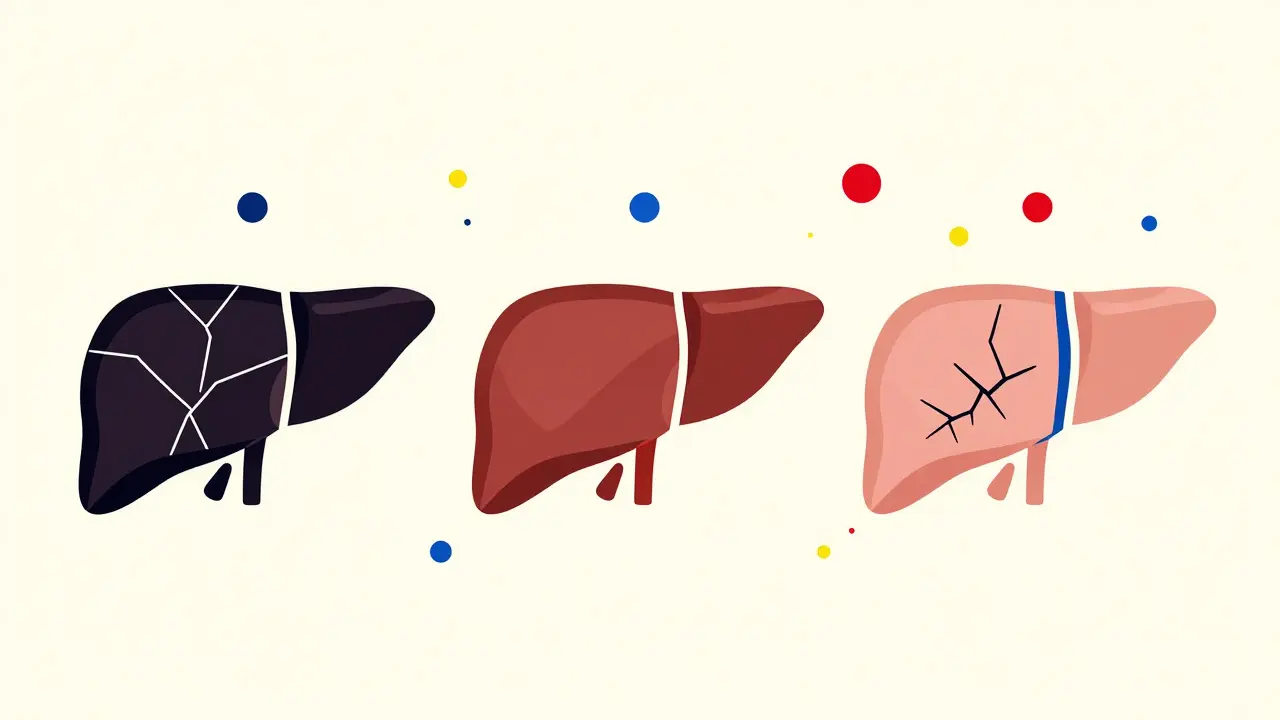
The medical community is trying to move away from a "one size fits all" approach. Since the liver can actually heal and fibrosis can regress after SVR, some patients might eventually move from a high-risk category to a low-risk one.
Researchers are currently testing more precise ways to track this:
- Dynamic Risk Calculators: Instead of a one-time test, doctors are looking at serial FibroScan measurements. If stiffness drops significantly over a few years, some experts believe surveillance intervals could be extended from 6 months to 12 months.
- The GALAD Score: This is a sophisticated blood test that combines gender, age, and three different biomarkers (AFP, AFP-L3, and DCP). In European studies, it showed 85% sensitivity in detecting early HCC in post-SVR patients.
- Transcriptome Signatures: Some high-end research using tissue samples has reached 92% accuracy in predicting who will develop cancer, though this isn't yet a routine clinic test.
We are moving toward "personalized surveillance." In the near future, your screening schedule won't be based on a generic guideline, but on your specific biomarkers and how your liver is remodeling over time.
Practical Steps for Patients and Caregivers
If you've achieved SVR, the first thing to do is have a direct conversation with your hepatologist about your pre-treatment fibrosis stage. Don't just ask "Am I cured?" Ask "What was my fibrosis stage, and does that mean I still need ultrasound screening?"
If you are required to continue surveillance, a few tips can help: use automated reminders or healthcare portals to track your appointments, and don't be afraid to ask for a second opinion if you're unsure about your risk level. Remember that the goal of these scans is early detection, which is the only way to effectively treat liver cancer if it does appear.
Does SVR mean I can stop getting liver ultrasounds?
Not necessarily. While SVR cures the Hepatitis C virus, it doesn't always reverse advanced liver scarring. If you had cirrhosis or advanced fibrosis before treatment, you likely still need regular screenings because the risk of liver cancer persists even without the virus.
How often should I be screened for liver cancer after SVR?
The standard recommendation for high-risk patients (those with cirrhosis) is semiannual surveillance, meaning an ultrasound every six months, sometimes paired with an alpha-fetoprotein (AFP) blood test.
Can liver scarring (fibrosis) actually go away after a cure?
Yes, fibrosis regression is possible. Many patients see a decrease in liver stiffness after SVR. This is why doctors may re-evaluate your risk over time using tools like FibroScan to see if your surveillance needs have changed.
What is the difference between the US and European guidelines?
The main difference is in the "F3" (advanced fibrosis) group. European guidelines (EASL) generally recommend continued screening for F3 patients, while US guidelines (AASLD) typically only recommend it for those who have progressed to full cirrhosis (F4).
What happens if the ultrasound finds a nodule after SVR?
Not every nodule is cancer. If a scan finds something, doctors will typically use more detailed imaging like a contrast-enhanced MRI or CT scan to determine if it's a benign regenerative nodule or a malignant tumor.


