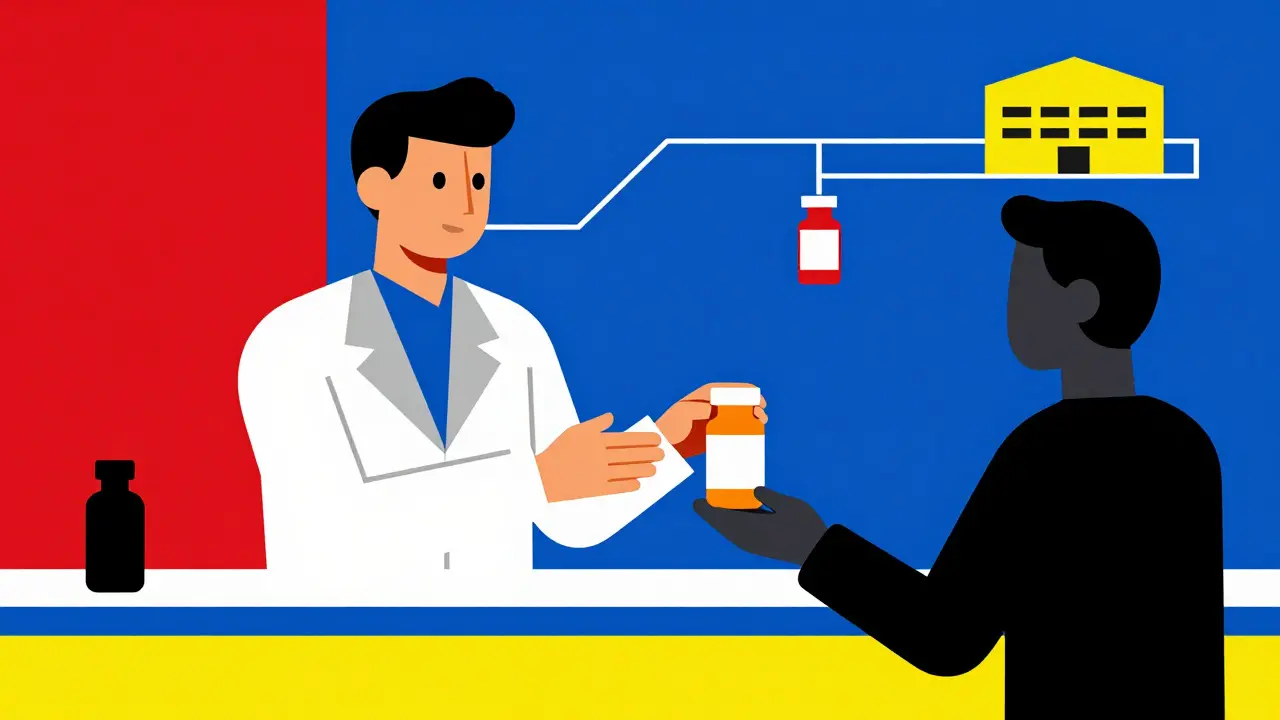

Imagine a patient walking into your pharmacy, handing over a prescription for a life-saving medication. You hand them the box, confident it’s safe. But what if that drug was swapped out on a warehouse shelf? What if it’s not just ineffective, but dangerous? Counterfeit drugs are not a distant threat; they are a reality in our supply chains. The World Health Organization estimates that up to 1% of the global pharmaceutical supply is compromised. That translates to roughly $200 billion in annual losses and, more importantly, countless patients at risk.
As a pharmacist or healthcare administrator, you are the last line of defense. Meeting pharmacy sourcing requirements isn’t just about ticking boxes for regulators. It is about protecting your license, your reputation, and, above all, your patients. The landscape has changed drastically since the Drug Supply Chain Security Act (DSCSA) was fully implemented in November 2023. If you are still relying on paper invoices and trust-based relationships without digital verification, you are operating in the dark.
The Core Regulatory Framework: DSCSA and Beyond
To understand legitimate drug procurement, you must first understand the rules of the game. In the United States, the cornerstone is the Drug Supply Chain Security Act (DSCSA), which is a federal law designed to build an electronic, interoperable system to identify and trace prescription drugs as they move through the supply chain. Passed in 2013 and fully enforced by late 2023, this law mandates that every transaction involving a prescription drug includes three specific documents: transaction information, transaction history, and transaction statements.
This is not optional. Every manufacturer, wholesaler, repackager, and dispenser must exchange this data electronically. Why? Because it creates an unbroken chain of custody. If a product recall happens, or if suspicious activity is detected, you need to know exactly where that drug came from and where it went. The FDA requires these records to be kept for six years. Losing this data can lead to severe penalties, including fines and loss of licensure.
Beyond federal law, state regulations play a huge role. Most states have adopted the Verified-Accredited Wholesale Distributor (VAWD) program. This means you can only buy from wholesalers who are licensed and accredited in the state where they operate. As of early 2023, 49 states had implemented this program. Buying from a distributor that isn’t VAWD-compliant in your state is a major red flag and likely a violation of local pharmacy board rules.
Vetting Suppliers: The Seven-Point Checklist
You cannot simply accept any offer that saves you money. The American Society of Health-System Pharmacists (ASHP) has developed rigorous guidelines for selecting suppliers. Based on their draft guidelines and industry best practices, here is a seven-point checklist you should use before onboarding any new supplier:
- FDA Registration: Verify that the supplier is currently registered with the FDA. Check the establishment registration database online. An expired registration is an immediate deal-breaker.
- State Licenses: Ensure the supplier holds valid pharmacy or wholesale distributor licenses in every state where they do business.
- cGMP Compliance: For manufacturers, evidence of Current Good Manufacturing Practices is non-negotiable. Ask for their most recent audit reports.
- Recall History: Review their history of product recalls and adverse events. A pattern of quality issues suggests deeper problems in their operations.
- Security Measures: How do they prevent diversion? Do they have secure storage, access controls, and monitoring systems?
- Financial Stability: A financially unstable supplier might cut corners or go bankrupt, leaving you with no recourse if products are defective.
- DSCSA Adherence: Confirm they have the technical infrastructure to provide electronic transaction histories and statements.
Dr. Elena Petrova, an expert in global pharmaceutical supply chains, notes that "a pharmaceutical supply chain is only as strong as its weakest link." Often, that weak link is an unvetted supplier trying to offer below-market prices. Remember: if the price looks too good to be true, it probably is.
Operational Protocols: Verifying Every Box
Once you have vetted your suppliers, how do you handle the goods when they arrive? Trusting the invoice is no longer enough. You need robust verification protocols.
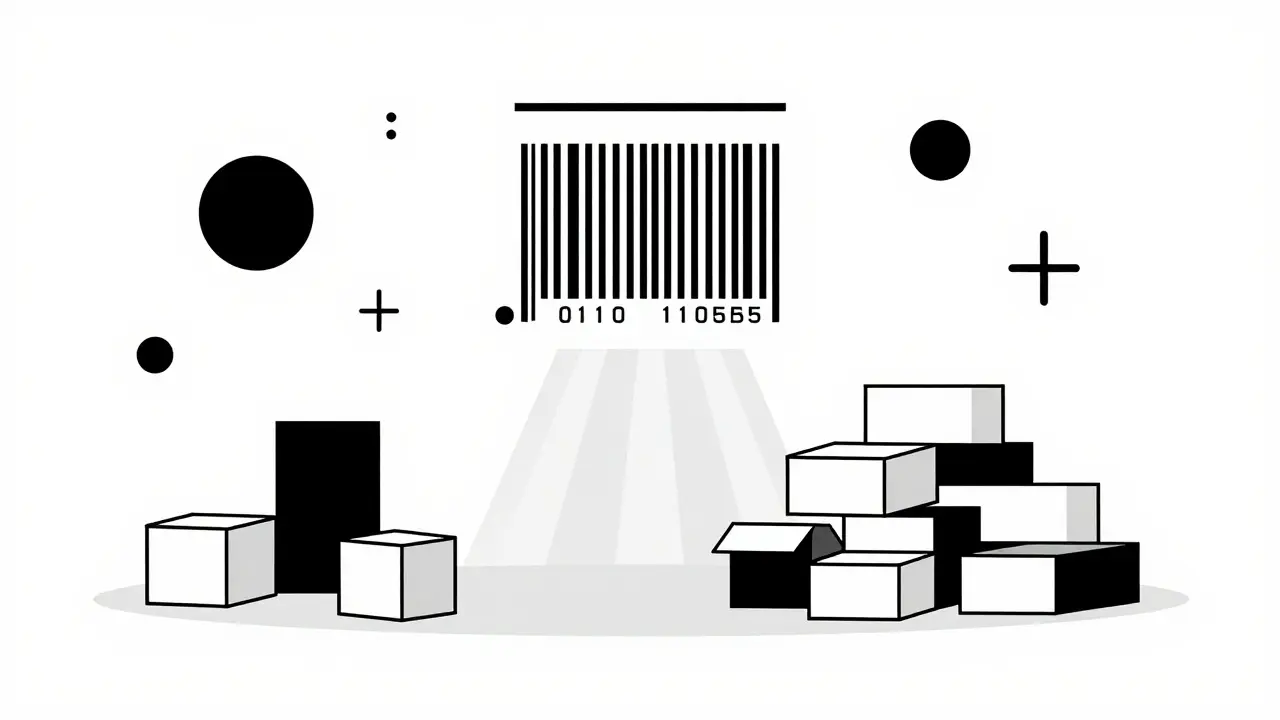
First, implement barcode scanning for 100% of incoming pharmaceutical products. This allows you to verify the National Drug Code (NDC), lot number, and expiration date against your purchase order. Discrepancies here are common warning signs. Did you order Lot A, but receive Lot B? Is the expiration date shorter than expected? These anomalies could indicate tampering or substitution.
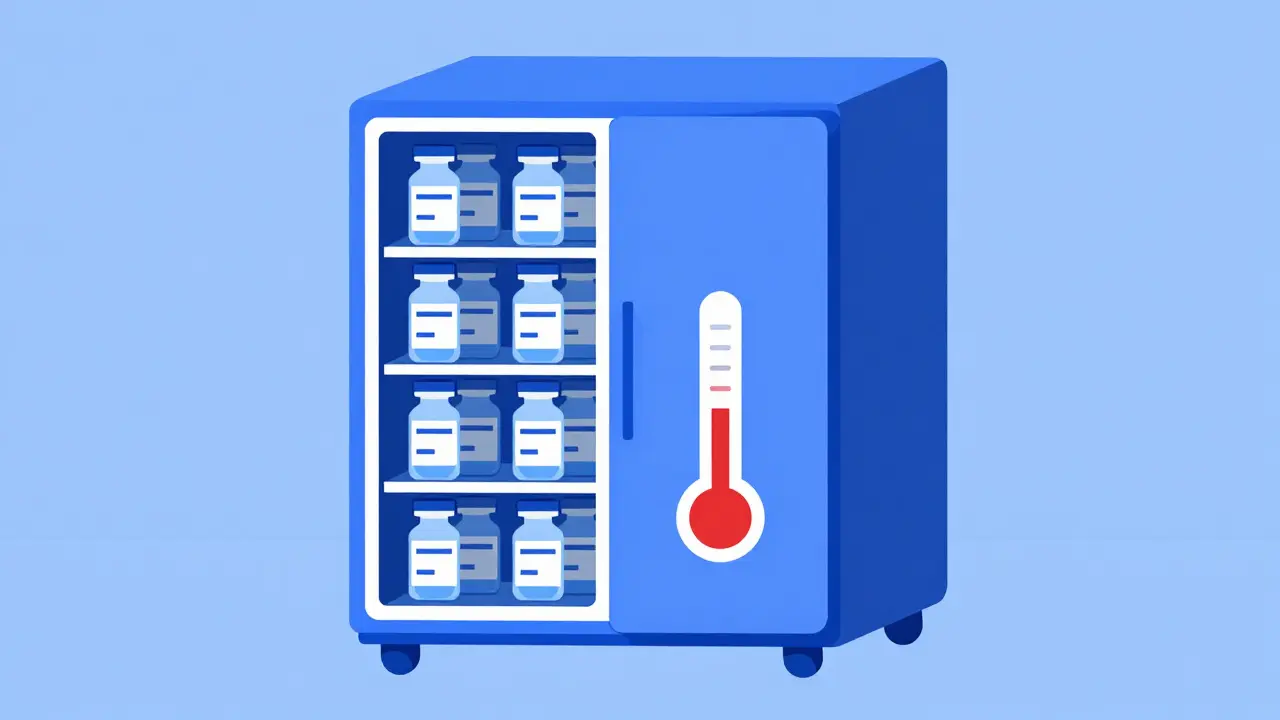
Second, maintain strict temperature control logs. Many drugs, especially biologics and vaccines, require refrigeration between 2°C and 8°C. Your procurement process must include checking temperature monitors upon delivery. If a cold chain break occurred during transit, the drug may be compromised even if it looks fine. Document everything. If a shipment arrives warm, reject it immediately and notify the supplier.
Third, conduct quarterly audits of your supplier documentation. Don’t wait for an inspector to find missing files. Proactively review your transaction histories and statements to ensure they are complete and accurate. This proactive approach reduces errors and keeps you ready for any FDA inspection.
Comparison of Procurement Methods
| Method | Supply Chain Integrity | Cost Profile | Compliance Complexity | Risk Level |
|---|---|---|---|---|
| Authorized Distributors (White Bag) | High | Higher (5-15% premium) | Standard | Low |
| Patient-Sourced (Brown Bagging) | Very Low | Variable | Extremely High | Critical |
| Direct Manufacturer (340B) | High | Discounted | High (Audit intensive) | Low (if compliant) |
| International/Grey Market | Unverified | Lower | Prohibited/Complex | Extreme |
The table above highlights why sticking to authorized channels is crucial. While methods like "brown bagging"-where patients bring their own meds to clinics-might seem convenient, they introduce massive safety risks. ASHP reported that 42% of health systems using nontraditional supply chains experienced medication errors due to improper handling. Stick to the white bag model or direct manufacturer contracts to minimize liability.
Technology and Future Trends
The days of manual record-keeping are over. By 2026, the expectation is that nearly all pharmaceutical transactions will leverage advanced technology for verification. Blockchain-based platforms, such as TraceLink and rfxcel, are becoming standard. These systems create immutable records of each drug’s journey, making it nearly impossible for counterfeiters to insert fake products into the chain.
Artificial Intelligence (AI) is also entering the mix. AI algorithms can analyze supply chain data to detect anomalies in real-time. For example, if a supplier suddenly ships a large volume of a high-risk drug from an unusual location, AI can flag it for investigation before it reaches your shelves. Industry analysts predict that AI could reduce counterfeit incidents by up to 75% in the coming years.
However, integration remains a challenge. Only 35% of health systems report seamless data exchange between their Electronic Medical Records (EMR), Enterprise Resource Planning (ERP), and traceability platforms. To stay competitive and compliant, invest in interoperable systems that talk to each other. Fragmented data leads to gaps, and gaps invite fraud.
Common Pitfalls and How to Avoid Them
Even well-intentioned pharmacies make mistakes. Here are the most common pitfalls I see in the field:
- Incomplete Transaction Histories: Suppliers sometimes fail to provide full history. Always demand complete records. If they glitch, quarantine the product until resolved. One hospital manager reported quarantining $87,000 worth of product due to a supplier’s data transfer error. Better safe than sorry.
- Ignoring State Variations: Federal laws set the baseline, but states add layers. California, New York, and Texas have additional tracking requirements. Stay updated on your state board’s specific rules.
- Underestimating Training Needs: Your staff needs training. New procurement staff require about 120 hours of specialized training on regulatory requirements. Consider certifications like the Certified Health Care Supply Chain Professional (CHCSCP) to boost expertise.
- Neglecting 340B Audits: If you participate in the 340B Drug Pricing Program, you must prove that 100% of purchased drugs go to eligible patients. HRSA conducted over 1,200 audits in 2022, finding billions in non-compliant purchases. Keep your patient eligibility records pristine.
Next Steps for Your Pharmacy
If you want to strengthen your sourcing today, start with a gap analysis. Review your current vendor contracts. Do they explicitly state DSCSA compliance? Check your last five deliveries. Were all barcodes scanned and verified? Talk to your IT team. Are your systems ready for electronic data interchange (EDI) with all trading partners?
Consider joining a Group Purchasing Organization (GPO). Hospitals using GPOs with dedicated compliance teams reported fewer security incidents than those managing procurement independently. A GPO can handle much of the heavy lifting in vendor vetting and contract negotiation, allowing you to focus on patient care.
Finally, stay informed. Regulations evolve. The FDA frequently updates guidance on drug tracing and security. Subscribe to newsletters from ASHP and the FDA. Attend webinars on supply chain security. Knowledge is your best shield against counterfeit drugs.
What is the Drug Supply Chain Security Act (DSCSA)?
The DSCSA is a U.S. federal law that establishes a framework for securing the pharmaceutical supply chain. It requires all trading partners to track and trace prescription drugs electronically, ensuring product identity, ownership history, and distribution path are documented from manufacturer to dispenser.
How long must pharmacies keep drug procurement records?
Under DSCSA regulations, pharmacies and other dispensers must retain transaction information, transaction history, and transaction statements for a minimum of six years after the date of the transaction.
What is a VAWD program?
VAWD stands for Verified-Accredited Wholesale Distributor. It is a state-level program that ensures wholesale distributors meet specific security and operational standards. Pharmacies are generally required to purchase only from VAWD-accredited distributors within their state.
Why is barcode scanning important in drug procurement?
Barcode scanning verifies the National Drug Code (NDC), lot number, and expiration date against the purchase order. This helps detect discrepancies, potential counterfeits, or shipping errors before the drug is dispensed to a patient, ensuring product authenticity and safety.
What are the risks of 'brown bagging' medications?
Brown bagging, where patients bring their own medications to a healthcare facility, bypasses standard supply chain verification. This increases the risk of administering counterfeit, expired, or improperly stored drugs, leading to higher rates of medication errors and patient harm.
How does the 340B program affect sourcing requirements?
The 340B program allows eligible entities to purchase drugs at discounted prices. However, it requires strict auditing to ensure drugs are used only for eligible patients. Non-compliance can result in significant financial penalties and exclusion from the program, so meticulous record-keeping is essential.
What role does blockchain play in pharmaceutical procurement?
Blockchain provides an immutable, decentralized ledger for tracking drug movements. It enhances transparency and security by creating a permanent record of each transaction, making it difficult for counterfeiters to alter supply chain data and helping pharmacists verify product authenticity instantly.