
Statin Side Effect Risk Estimator
Your Profile
Complete the profile to see your personalized risk assessment.
Relative Risk Score
For decades, we’ve been told that statins are the gold standard for lowering cholesterol and preventing heart attacks. But there’s a growing problem hidden behind those success stories: women experience these medications differently than men. If you’re a woman taking or considering statin therapy, you might have noticed that your doctor’s advice feels generic. It often ignores the biological reality that your body processes drugs differently.
This isn’t just about feeling tired or having mild discomfort. Research shows distinct sex-specific side effect patterns that lead to higher rates of discontinuation among women. Understanding these differences is crucial for protecting your long-term heart health without sacrificing your quality of life.
The Muscle Pain Gap: Why Women Hurt More
Muscle pain, known medically as myalgia, is the most common reason people stop taking statins. However, this side effect hits women harder. Data from the USAGE survey (Understanding Statin Use in America and Gaps in Patient Education) reveals that 31% of women reported new or worsening muscle symptoms, compared to only 26% of men. This difference might seem small on paper, but it translates into real-world consequences: women are significantly more likely to quit their medication entirely.
Why does this happen? It comes down to pharmacokinetics-the way your body absorbs, distributes, and eliminates drugs. Women generally have a lower average glomerular filtration rate (about 15-20% lower than men when adjusted for body size). This means kidneys clear the drug from the system slightly slower. Additionally, women typically have a higher percentage of body fat (averaging 25-30% versus 15-20% in men). Since many statins are lipophilic (fat-loving), they can accumulate more readily in fatty tissues, leading to higher systemic exposure and increased irritation to muscle cells.
The risk escalates with age. Elderly women over 65 face a 1.5 to 2 times higher risk of statin-induced myopathy compared to age-matched men. This is partly due to decreased renal clearance and polypharmacy-taking multiple medications that interact with statins. For example, combining simvastatin with certain calcium channel blockers can increase toxicity risk by up to 300%. If you’re an older woman experiencing unexplained muscle aches, it’s not “just aging.” It may be a sign that your current dose or type of statin needs adjustment.
The Diabetes Risk: A Silent Concern for Post-Menopausal Women
Beyond muscles, statins affect blood sugar levels. The FDA has mandated labeling updates warning that statins can increase the incidence of type 2 diabetes by 9-27%, depending on the specific drug and duration of use. While this risk exists for everyone, it carries unique weight for women, particularly after menopause.
A pivotal study published in the Journal of the American College of Cardiology in 2013 focused specifically on post-menopausal women. It found that the diabetes risk associated with statins was independent of dosage or drug type. In other words, any statin at any dose could elevate your risk after three years of treatment. Dr. Muthiah Vaduganathan, a cardiologist at Brigham and Women’s Hospital, notes that while the absolute risk increase appears slightly higher in women (around 12%) compared to men (8%), the cardiovascular benefits usually outweigh this danger. However, “usually” doesn’t mean “always.”
If you are post-menopausal and starting statin therapy, monitoring becomes non-negotiable. You should check fasting glucose levels every 3-6 months during the first year of treatment. Ignoring this window can allow pre-diabetes to slip into full-blown type 2 diabetes unnoticed. The key is balance: don’t let fear of diabetes stop you from taking a life-saving drug, but do demand proactive monitoring from your healthcare provider.

Communication Gaps and Adherence Challenges
It’s not just biology; it’s also how doctors talk to us. A 2019 study analyzing data from the National Cardiovascular Data Registry found that women were 34% more likely than men to report inadequate communication about their cardiovascular risk. Specifically, 42% of women said their physician never explained how cholesterol contributes to heart disease, compared to 31% of men.
This lack of education creates a vicious cycle. When women experience side effects-which they are biologically more prone to-they feel unheard. Consequently, they try to manage symptoms alone or simply stop the medication. The USAGE survey data showed that women were 2.3 times more likely than men to try three or more different statins before finding one they could tolerate. Yet, despite this struggle, women were 37% less likely to be offered alternative LDL-lowering medications like ezetimibe or PCSK9 inhibitors when statin intolerance occurred.
Real-world adherence data paints a stark picture. A 2020 European Heart Journal study tracking over 127,000 patients found that women had 18.7% lower medication adherence rates at 12 months compared to men (63.2% versus 77.1%). Cost was a major factor, contributing to 29% of female non-adherence cases versus 19% in men. This reflects a broader socioeconomic trend where women often prioritize family healthcare expenses over their own preventive care. Closing this gap requires active advocacy from patients and better training for providers.
Special Considerations Across the Lifespan
Women’s bodies change dramatically over time, and statin therapy must adapt accordingly. Here’s how to navigate specific life stages:
- Childbearing Age: All statins carry Pregnancy Category X warnings due to potential teratogenic risks observed in animal studies. The FDA’s 2023 guidance emphasizes mandatory contraception counseling before initiation. Shockingly, about 15% of statin prescriptions to women aged 18-45 lack documented pregnancy prevention counseling. If you are sexually active and not using reliable contraception, discuss pausing statin therapy or switching to a safer alternative with your doctor.
- Menopause: Estrogen decline accelerates atherosclerosis, making statins more necessary. Paradoxically, this is also when tolerance decreases. The Women’s Health Initiative analysis showed 41% of post-menopausal women reported muscle symptoms versus 33% of pre-menopausal women. Lower doses or hydrophilic statins (like rosuvastatin or pravastatin) may be better tolerated.
- Elderly Years: For women over 75, the risk of serious adverse events requiring hospitalization is 2.1 times higher than in men. Drug interactions are the primary culprit. Always maintain an updated list of all supplements and medications to avoid dangerous combinations with anticoagulants or blood pressure drugs.
| Side Effect / Metric | Women | Men | Key Insight |
|---|---|---|---|
| Muscle Symptoms (Myalgia) | 31% | 26% | Higher prevalence in women leads to more discontinuations. |
| Therapy Discontinuation | 28.7% | 22.1% | Women are more likely to switch or stop due to side effects. |
| Diabetes Risk Increase | ~12% | ~8% | Slightly higher relative risk for women, especially post-menopause. |
| Adherence at 12 Months | 63.2% | 77.1% | Lower adherence linked to cost concerns and poor communication. |
| Inadequate Provider Communication | 42% | 31% | Women are less likely to receive clear explanations of risk/benefit. |
Actionable Strategies for Better Tolerance
If you’re struggling with statin side effects, don’t just quit cold turkey. There are evidence-based strategies to improve your experience:
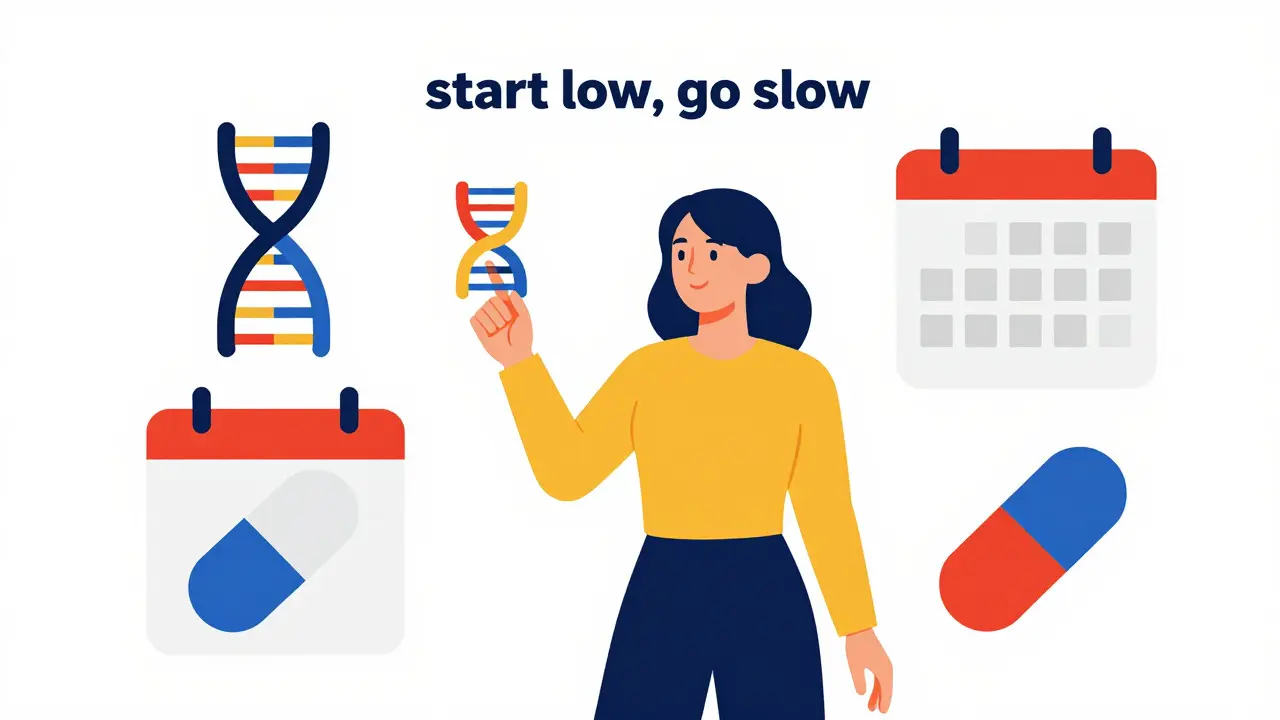
- Start Low, Go Slow: The 2022 American Heart Association Scientific Statement recommends starting women on lower doses (e.g., atorvastatin 10mg instead of 20mg) with gradual titration. The Dutch STATINWISE trial showed this approach improved adherence in women by 32% at 12 months.
- Consider Pharmacogenomics: Emerging research identifies SLCO1B1 gene variants present in 23% of women (versus 18% of men) that significantly increase myopathy risk. Pre-treatment genetic screening can guide statin selection, helping you avoid drugs that your body struggles to process.
- Use Decision Aids: Tools like the ‘Statin Choice’ decision aid, validated in a 2021 Annals of Internal Medicine study, reduced statin discontinuation by 40% through improved risk-benefit communication. Ask your doctor if they use shared decision-making models.
- Monitor Regularly: Schedule baseline and follow-up tests for liver enzymes, creatine kinase (for muscle damage), and fasting glucose. Don’t wait for annual physicals; set reminders for every 3-6 months initially.
- Advocate for Alternatives: If you remain intolerant to multiple statins, ask about non-statin options like ezetimibe, bempedoic acid, or PCSK9 inhibitors. These are often overlooked in female patients despite being effective.
Closing the statin gender gap requires acknowledging biological differences in drug metabolism while simultaneously addressing systemic biases in clinical practice. As Dr. Erin Michos stated in her 2024 American College of Cardiology presentation, we must value preventive therapies equally for women. By understanding these sex-specific patterns, you can take control of your heart health journey with confidence and clarity.
Do women need a different dose of statins than men?
Yes, often. Due to differences in body composition and kidney function, women may require lower starting doses to minimize side effects. Guidelines now suggest initiating therapy at lower intensities (e.g., 10mg atorvastatin) and titrating up slowly based on tolerance and LDL response.
Can statins cause diabetes in post-menopausal women?
Statins can increase the risk of developing type 2 diabetes, and this risk is slightly higher in women, particularly after menopause. Studies show a 9-27% increased incidence depending on the drug. Regular monitoring of fasting glucose levels is essential to catch any changes early.
Why do women experience more muscle pain from statins?
Women have lower glomerular filtration rates and higher body fat percentages, which can lead to slower drug clearance and higher accumulation of lipophilic statins in tissues. This results in greater systemic exposure and a higher likelihood of muscle-related adverse effects like myalgia.
Are statins safe for women trying to conceive?
Generally, no. Statins are Pregnancy Category X due to potential risks to fetal development. Women of childbearing age should use reliable contraception while on statins or discuss pausing therapy with their doctor if planning pregnancy.
What should I do if I can't tolerate statins?
Don't stop abruptly. Talk to your doctor about switching to a hydrophilic statin (like rosuvastatin), reducing the dose, or trying intermittent dosing. If intolerance persists, ask about non-statin alternatives such as ezetimibe or PCSK9 inhibitors, which are effective for lowering LDL without the same side effect profile.