
Steroid-Induced Diabetes Risk & Monitoring Planner
Step 1: Risk Profile Assessment
Select factors that apply to you to estimate your susceptibility.
Step 2: Monitoring Requirements
Check all scenarios that apply to your treatment plan.
Your Recommended Monitoring Protocol
*Always consult your healthcare provider before changing your medication or monitoring routine.
Imagine you are prescribed a powerful medication to treat inflammation, an autoimmune flare-up, or even cancer. You feel relief as the swelling goes down. But then, your blood sugar spikes unexpectedly. This is not just bad luck; it is a known physiological response called corticosteroid-induced hyperglycemia, also referred to as steroid-induced diabetes mellitus (SIDM). It happens when glucocorticoids disrupt your body’s ability to process glucose, leading to high blood sugar levels in both people with pre-existing diabetes and those who have never had it before.
This condition affects roughly half of hospitalized patients receiving high-dose steroids. If left unchecked, it can lead to serious complications like diabetic ketoacidosis or prolonged hospital stays. Understanding how steroids affect your metabolism is the first step in managing this temporary but dangerous shift in your health.
How Steroids Raise Blood Sugar Levels
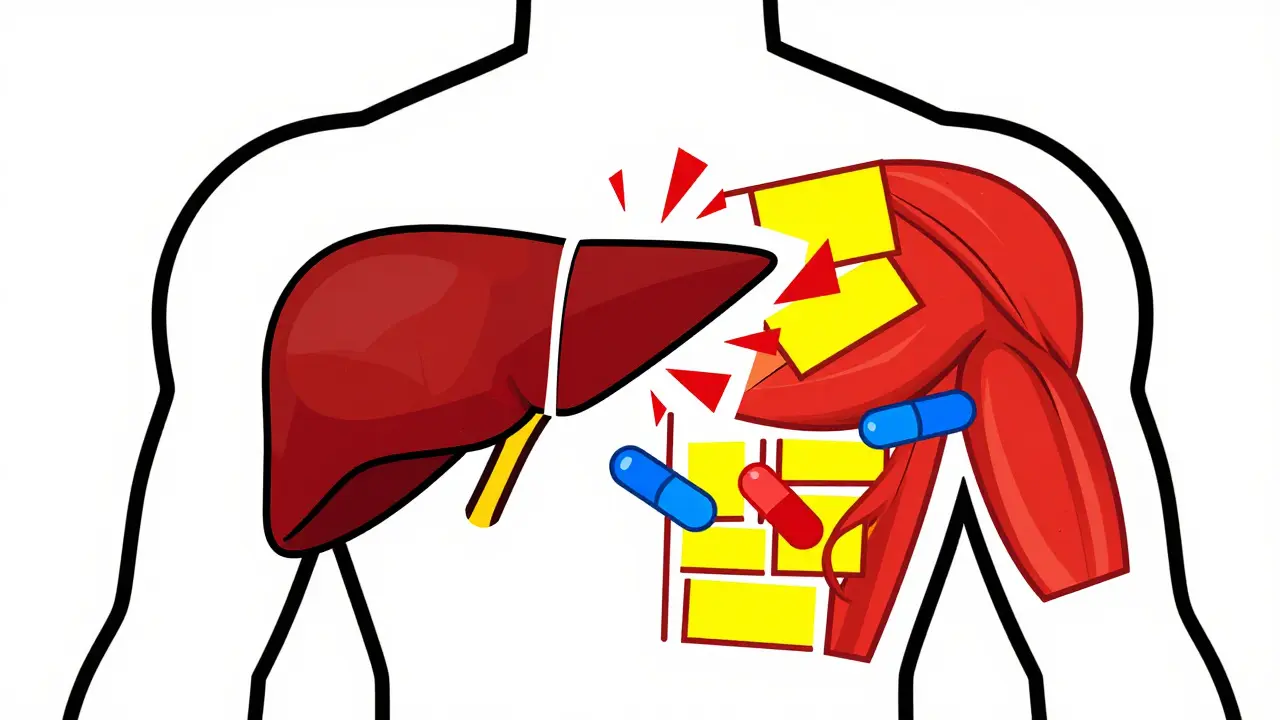
To manage steroid-induced diabetes, you need to understand what is happening inside your body. Glucocorticoids, such as prednisone, dexamethasone, and hydrocortisone, do not just reduce inflammation. They actively change how your organs handle energy.
The liver responds to these drugs by ramping up glucose production. Research shows that glucocorticoids increase endogenous plasma glucose production by nearly 38% through pathways like gluconeogenesis. At the same time, your skeletal muscles become resistant to insulin. Normally, muscles absorb about 80% of the glucose from your meals, but steroids reduce this uptake by over 40%. Your fat cells also break down faster, releasing free fatty acids into your bloodstream, which further blocks insulin signaling.
Perhaps most critically, your pancreas struggles to keep up. Steroids inhibit the beta cells in your pancreas, reducing insulin secretion. Studies indicate that a single high dose of prednisolone can suppress beta cell function within just two hours. The result is a double whammy: your body produces more sugar while simultaneously becoming less able to clear it from your blood.
Steroid-Induced Diabetes vs. Type 2 Diabetes
It is crucial to distinguish SIDM from standard type 2 diabetes because the treatment approaches differ significantly. While type 2 diabetes develops slowly over years due to chronic insulin resistance, steroid-induced hyperglycemia hits fast and follows a specific pattern tied to your medication schedule.
The Endocrine Society notes that steroid-induced diabetes often presents with a biphasic glucose pattern. You might experience severe hyperglycemia in the morning after taking your dose, followed by relative normoglycemia later in the day. Standard diabetes protocols often fail here because they do not account for this fluctuation. Additionally, while type 2 diabetes involves long-term structural changes, SIDM is largely reversible once the steroid course ends, though some patients may uncover underlying predispositions to diabetes.
| Feature | Steroid-Induced Hyperglycemia | Type 2 Diabetes |
|---|---|---|
| Onset Speed | Rapid (hours to days) | Gradual (months to years) |
| Primary Mechanism | Insulin suppression + acute resistance | Chronic insulin resistance |
| Glucose Pattern | Biphasic (peaks with drug timing) | Consistently elevated |
| Reversibility | Often resolves after stopping steroids | Usually permanent without intervention |
Who Is at Highest Risk?
Not everyone reacts the same way to corticosteroids. Certain factors make you much more susceptible to developing hyperglycemia. Knowing your risk profile helps you and your doctor decide how closely to monitor your levels.
- Body Mass Index (BMI): Patients with a BMI greater than 30 kg/m² face a 3.2-fold higher risk compared to those with a BMI under 25.
- Pre-existing Glucose Issues: If you already have impaired glucose tolerance or pre-diabetes, your risk jumps by 4.7 times.
- Dosage and Duration: Higher doses of potent steroids like dexamethasone carry more risk than lower doses of hydrocortisone. Daily dosing is riskier than alternate-day regimens.
- Medical Specialty: Patients in rheumatology, oncology, and pulmonology departments see the highest rates of steroid use and subsequent glucose issues.
If you fall into any of these categories, you should not wait for symptoms. Proactive monitoring is essential.
Monitoring Protocols: What You Need to Do
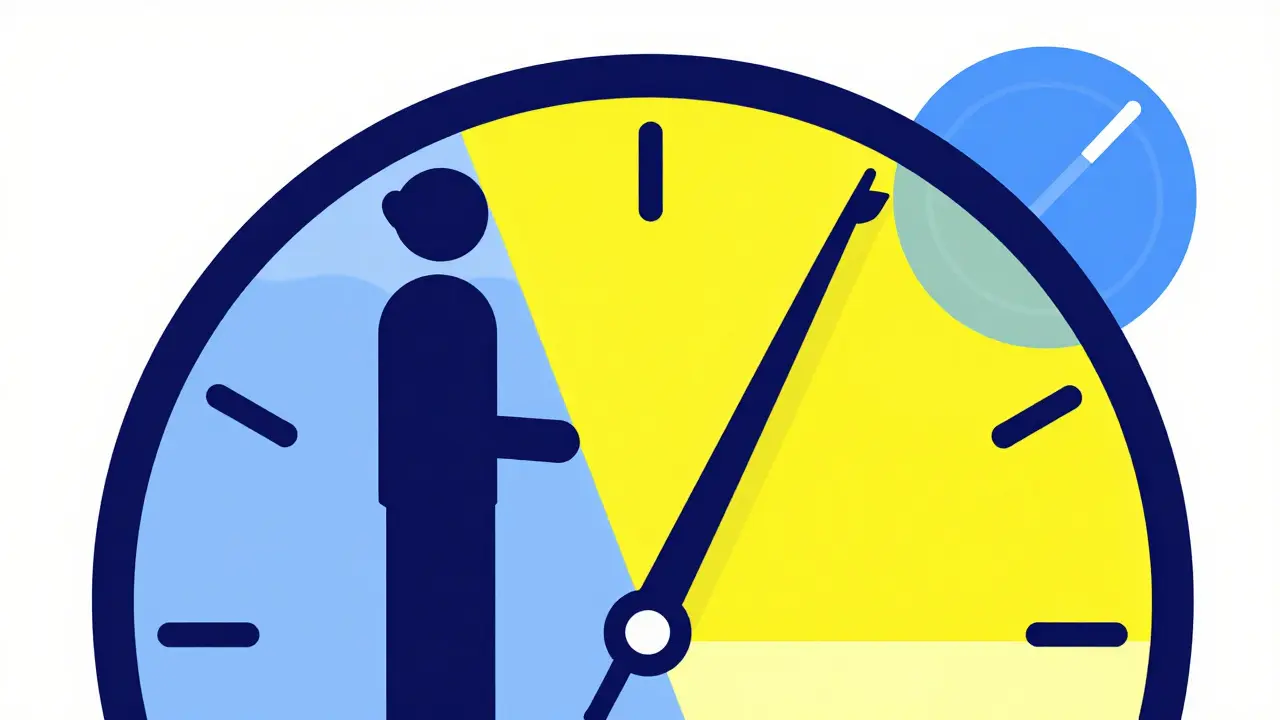
Effective care starts with accurate data. The NIH Practical Guide recommends initiating glucose monitoring within 24 hours of starting glucocorticoid therapy. For high-risk patients-those taking more than 20 mg of prednisone equivalent daily-you should check fasting and postprandial (after-meal) blood sugar levels at least twice a day.
Traditional fingerstick tests are common, but they have blind spots. A study published in Pharmacy Reports found that continuous glucose monitors (CGMs) detect hyperglycemic episodes in 68% of patients who appear normal on fingerstick tests. CGMs are particularly useful for catching nocturnal hypoglycemia, which occurs in nearly 23% of patients during steroid tapering phases. If you can afford a CGM, ask your doctor if it is appropriate for your case.
Timing matters immensely. Because steroid effects last 16 to 24 hours, you must monitor on both administration days and non-administration days if you are on an intermittent regimen. Missing the window can lead to undetected highs or dangerous lows.
Treatment Strategies and Insulin Management
When diet and exercise alone cannot control your blood sugar, medication becomes necessary. The approach depends on whether you had diabetes before starting steroids.
For patients with pre-existing diabetes, you will likely need to increase your insulin dose by 20% to 50%. However, for new-onset steroid-induced hyperglycemia, basal-bolus insulin regimens are superior. A 2022 trial in JAMA Internal Medicine showed that basal-bolus therapy outperforms sliding scale protocols by nearly 35% in achieving target glucose control. Sliding scales react too slowly to the rapid spikes caused by steroids.
Timing your insulin to match your steroid dose is critical. Since morning steroid doses cause morning hyperglycemia, your insulin coverage should be asymmetric-heavier in the morning and tapering off in the afternoon. Mismatched timing leads to errors, with studies showing that nearly 32% of patients experience treatment issues due to poor synchronization between insulin peaks and steroid pharmacokinetics.
Navigating the Tapering Phase
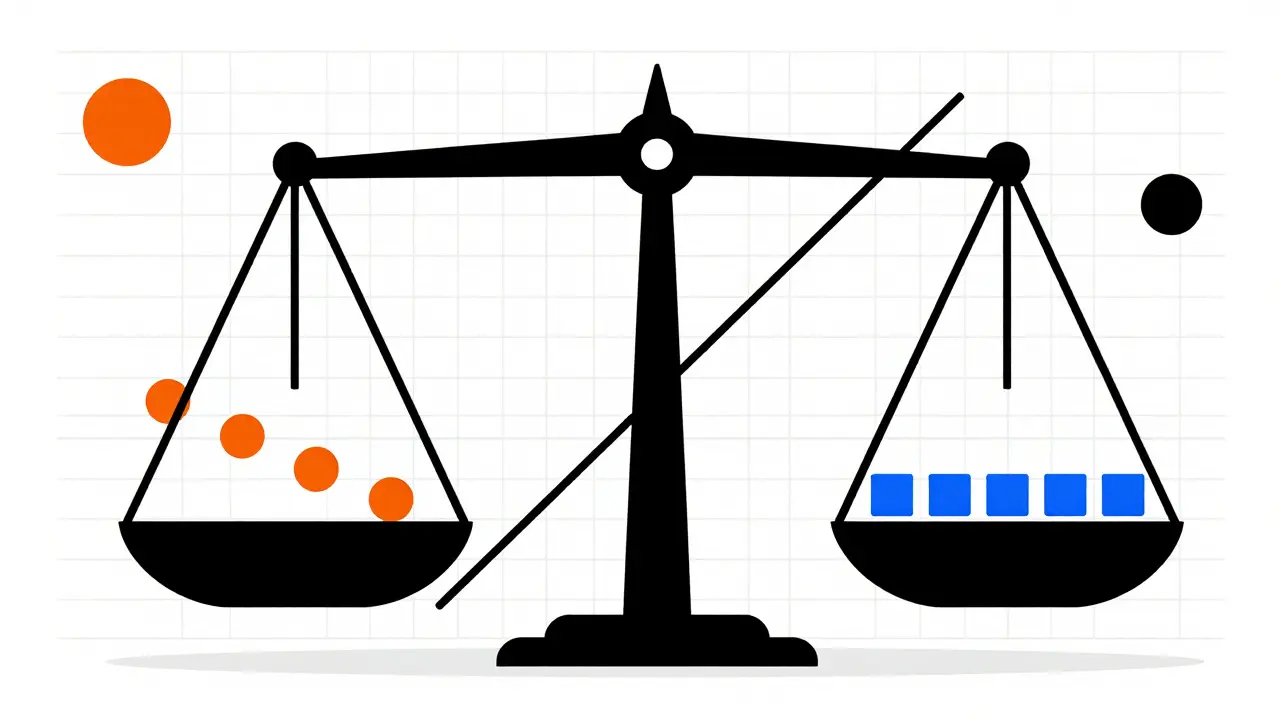
As your condition improves and you begin to reduce your steroid dosage, your blood sugar dynamics change again. This is often the most confusing part of the journey. Patients frequently report a "rollercoaster effect" during tapering.
As steroid levels drop, your insulin resistance decreases, but your body may still be producing extra insulin if you were on aggressive therapy. This mismatch leads to unexpected hypoglycemia. In surveys, over 67% of patients reported low blood sugar episodes during dose reduction. Do not stop checking your levels just because the steroids are going down. In fact, you may need to check them more frequently to adjust your insulin or oral medications downward safely.
Practical Tips for Daily Management
Living with steroid-induced hyperglycemia requires discipline, but small adjustments make a big difference.
- Keep a Log: Record your steroid dose time, insulin dose, food intake, and blood sugar readings. Look for patterns between your morning spike and your medication time.
- Carry Fast-Acting Carbs: Always have glucose tabs or juice handy during the tapering phase to treat sudden drops in blood sugar.
- Communicate with Your Team: Ensure your endocrinologist and prescribing physician are talking. Many errors occur when one doctor adjusts steroids without informing the other about insulin needs.
- Watch for Signs: Excessive thirst, frequent urination, and fatigue are classic signs of high blood sugar. Shaking, sweating, and confusion signal low blood sugar.
Proper management does not just protect your immediate health; it reduces hospital length of stay by nearly two days on average, according to economic analyses from the University of Pennsylvania. It saves money and prevents long-term vascular damage.
Will my blood sugar return to normal after stopping steroids?
In most cases, yes. Steroid-induced hyperglycemia is typically reversible once the medication is discontinued. However, if you have underlying pre-diabetes or type 2 diabetes, your blood sugar may remain elevated, requiring ongoing management. Some patients find that the steroid course unmasked a latent genetic predisposition to diabetes.
Can I manage steroid-induced diabetes with diet alone?
For mild cases, dietary changes and exercise may help. However, high-dose steroids cause significant insulin resistance and suppression of insulin secretion that diet alone cannot overcome. Most patients on moderate-to-high doses require insulin or oral hypoglycemic agents to maintain safe glucose levels.
Why does my blood sugar spike only in the morning?
This is due to the pharmacokinetics of most corticosteroids, which are often taken in the morning. The drug peaks in your system shortly after ingestion, causing maximum insulin resistance and hepatic glucose output during the morning hours. As the drug wears off, your blood sugar may normalize later in the day, creating a biphasic pattern.
Is continuous glucose monitoring (CGM) necessary?
While not mandatory for every patient, CGMs are highly beneficial for high-risk individuals. They detect hidden hyperglycemia and nocturnal hypoglycemia that fingersticks miss. Given the rapid fluctuations associated with steroid therapy, CGMs provide real-time data that allows for more precise insulin adjustments.
What should I do if I experience hypoglycemia during tapering?
Treat low blood sugar immediately with 15 grams of fast-acting carbohydrates, such as glucose tablets or fruit juice. Recheck your blood sugar in 15 minutes. If it remains low, repeat the treatment. Contact your healthcare provider to adjust your insulin or medication doses, as your body now requires less support as the steroid influence wanes.