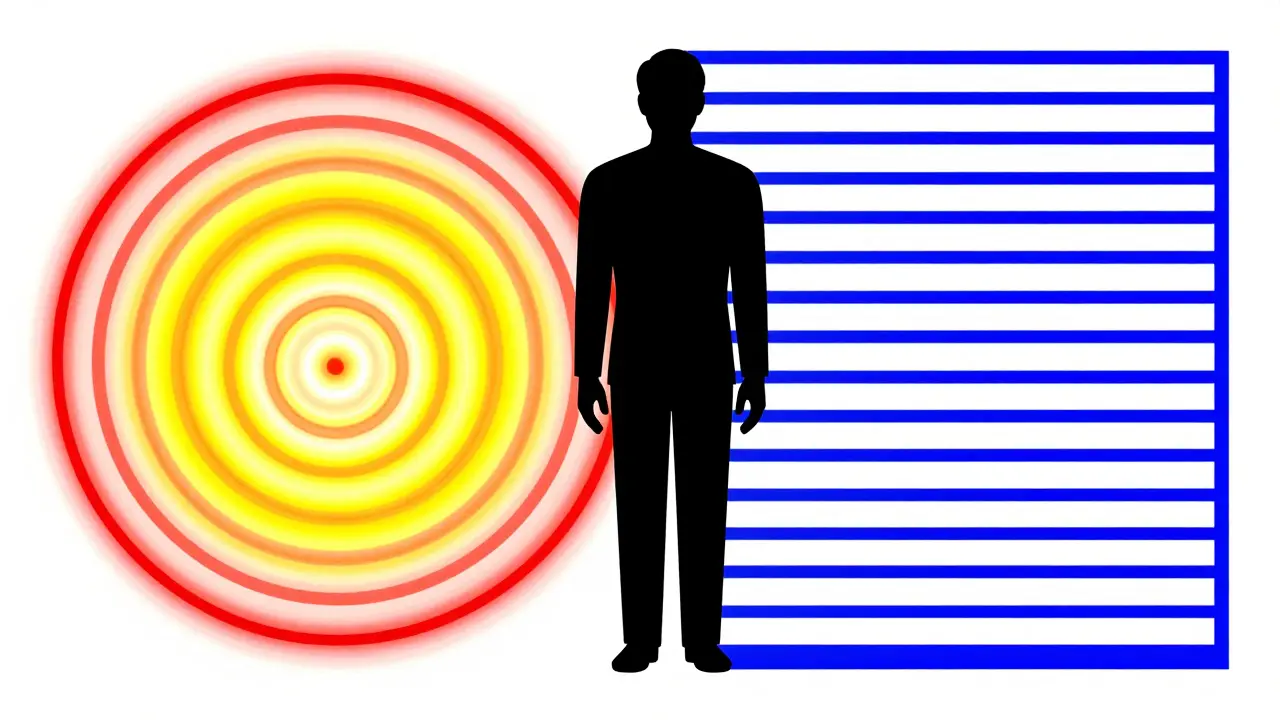

Have you ever stood up too quickly and felt like the floor was rushing toward you? Or maybe you’ve spun around until the world swam around your vision? That unsettling feeling often gets lumped together under the umbrella term 'dizziness,' but in medicine, the line between Vertigo is the illusion of spinning movement, even when stationary. and lightheadedness is crucial. It’s not just semantics. Knowing exactly what you’re feeling determines whether you need an ear specialist or a neurologist.
When people say they feel dizzy, they could mean anything from anxiety-induced breathlessness to a serious stroke warning sign. Research indicates that while roughly 15% of adults deal with some form of imbalance annually, misdiagnosis rates remain high. A study from King Edward VII Hospital found that correct diagnosis leads to an 85% resolution rate for specific conditions like benign positional issues, whereas treating these cases as general dizziness only yields a 45% success rate. The difference lies in pinpointing the source: is it the fluid in your inner ear, or is it a signal error in your brain?
The Fundamental Difference Between Spinning and Swaying
To navigate your next doctor’s visit, you need a vocabulary upgrade. Medical professionals differentiate these sensations based on how your sensory systems perceive motion. True Dizziness is a broad sensation of lightheadedness, unsteadiness, or near-fainting without spatial distortion. You might feel like you’re going to pass out, or perhaps the ground feels like it’s moving slightly beneath your feet. This is often linked to blood pressure changes, heart issues, or dehydration.
In contrast, vertigo is far more specific. It is the distinct illusion that you or the environment is moving or rotating. Patients often describe looking at their coffee mug and seeing it orbit the room. This happens because the vestibular system-the part of your inner ear responsible for balance-is sending conflicting signals to the brain. While dizziness feels vague and woozy, vertigo feels violent and directional. Understanding this distinction helps narrow down the culprit significantly.
| Feature | Dizziness | Vertigo |
|---|---|---|
| Sensation | Lightheadedness, floating, faintness | Spinning, whirling, tilting |
| Movement Perception | No rotational sensation | Clear illusion of rotation |
| Common Trigger | Standing up fast, low blood sugar, stress | Rolling over in bed, changing head position |
| Nausea Level | Mild to moderate | Severe vomiting common |
How Your Inner Ear Maintains Balance
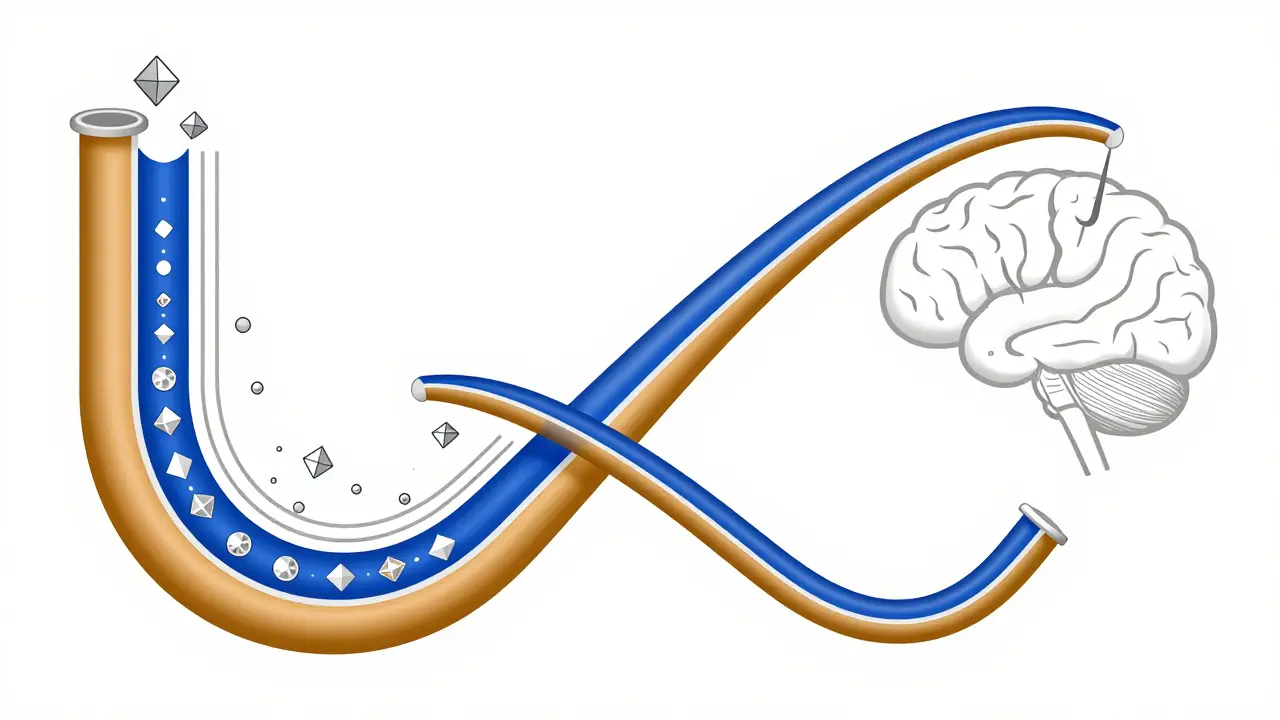
Your balance system is incredibly sophisticated machinery located deep within your skull. The Vestibular System consists of inner ear structures including semicircular canals and otolith organs. These tiny tubes detect angular and linear acceleration. When you turn your head, fluid moves through these canals, stimulating hair cells that send electrical impulses to your brainstem.
Normally, this transmission happens with a latency of only 100 to 200 milliseconds. However, when this timing is disrupted, or if debris moves where it shouldn’t, the brain receives mismatched data. For instance, your eyes tell your brain you are sitting still, but your inner ear says you are spinning. To resolve this conflict, your body creates the sensation of vertigo. Peripheral causes-those involving the ear-are actually the most frequent originators of these symptoms, accounting for the majority of chronic balance complaints seen in clinics today.
Vestibular Disorders: The Ear-Based Culprits
The vast majority of vertigo stems from the periphery. Three conditions dominate clinical presentations here. First and most common is Benign Paroxysmal Positional Vertigo, widely known as Benign Paroxysmal Positional Vertigo (BPPV). Also referred to as Canalithiasis, this condition occurs when microscopic calcium crystals dislodge from their proper place in the utricle and float into the semicircular canals. Dr. Timothy Hain from Northwestern University notes this affects 2.4% of the population annually. The hallmark symptom is brief, intense spinning triggered by head movements like rolling over in bed or looking up.
Next is Ménière's Disease is a chronic disorder causing episodes of severe vertigo, hearing loss, and tinnitus. This condition involves fluid buildup in the inner ear, leading to pressure that disrupts both hearing and balance. Unlike BPPV, Ménière's attacks can last hours rather than seconds. Then there is Vestibular Neuritis, an inflammation of the nerve connecting the inner ear to the brain, often following a viral infection. This causes sudden, prolonged vertigo without the hearing loss seen in labyrinthitis.
Neurological Causes: When the Brain Signals Trouble
While ear issues are common, sometimes the problem sits higher up. Central vertigo arises from the brainstem or cerebellum. This is the area we call neurological causes. These are rarer but often carry more risk. A cerebellar stroke can present primarily as dizziness. According to Johns Hopkins vestibular neurophysiology labs, central vertigo makes up only 5% of cases but accounts for 25% of emergency department visits due to severity.
Another major player is Vestibular Migraine is a neurological condition linking headache disorders with recurrent dizziness. Even without a pounding head pain, patients experience vertigo similar to BPPV but without the specific positional triggers. Dr. Michael Teixido notes that this affects 1% of the general population but represents up to 10% of vertigo cases. Misdiagnosis is rampant here, with many patients initially treated for sinus issues or anxiety before the connection is made. Multiple sclerosis can also damage the pathways in the brain that process balance, leading to unsteadiness that mimics vertigo.

Diagnostic Tools and Red Flag Symptom Recognition
Figuring out the cause requires more than a gut feeling. Doctors use specific maneuvers to isolate the issue. The Dix-Hallpike test, for example, provokes BPPV by positioning the patient’s head specifically to move those errant crystals. Videonystagmography (VNG) measures involuntary eye movements, offering 95% sensitivity for peripheral disorders. A newer method called the HINTS exam helps doctors rule out stroke in acute settings by checking gaze stability.
However, you should also watch for red flags that demand immediate attention. If your dizziness comes with slurred speech, inability to walk without falling, or double vision, you need emergency care immediately. These signs suggest a central nervous system event like a stroke rather than a simple inner ear glitch. Approximately 60% of central cases present with additional neurological signs such as asymmetrical hearing loss. Don't wait; early intervention changes outcomes dramatically.
Treatment Paths and Recovery Strategies
Once diagnosed, relief is often faster than expected. For BPPV, the Epley maneuver is the gold standard. This series of head positions guides the crystals back to where they belong. Clinical data shows an 80-90% efficacy rate, with many patients finding resolution after just one session. You don’t necessarily need complex surgery for this.
If the root cause is broader, Vestibular Rehabilitation Therapy (VRT) is customized exercises progressing from static balance to dynamic activities. Therapists design routines to retrain the brain to adapt to the damaged signals. It typically takes 6 to 8 weeks of consistent effort. Some might benefit from medication to suppress the symptoms during acute phases, but rehabilitation addresses the root mechanism. In severe cases of Ménière's, transtympanic gentamicin protocols might be considered to dampen the overactive ear function. With the right approach, 89% of patients see significant success.
Can vertigo be a symptom of a stroke?
Yes, while less common, stroke can present as vertigo. Warning signs include double vision, trouble speaking, or inability to stand. If these accompany the dizziness, seek emergency help immediately.
How long does BPPV last?
Without treatment, BPPV can last days to months. However, with a simple canalith repositioning procedure like the Epley maneuver, symptoms often stop within minutes to hours.
Is dizziness always caused by inner ear problems?
No. Dizziness is a broader term that includes cardiovascular issues like low blood pressure, metabolic factors like anemia, and psychological factors like anxiety. Not all dizziness involves the vestibular system.
What is the best test for diagnosing the cause?
It depends on the suspected cause. Videonystagmography (VNG) is great for peripheral ear issues, while MRI is necessary if a central brain cause like MS or stroke is suspected.
Can stress cause vertigo?
Stress alone rarely causes true rotational vertigo, but it can worsen conditions like Persistent Postural-Perceptual Dizziness (PPDV) or trigger vestibular migraines.
Understanding the nuance between these two states empowers you to advocate for better health care. Whether it’s a crystal floating in your inner ear or a complex neurological signal issue, accurate identification is the first step toward stability.


