Welcome to Elverd Designs Pharmacy
Looking for reliable info about a prescription, an OTC product, or a health condition? You’re in the right place. We break down complex drug data into plain English so you can understand uses, side effects, dosages and how it fits into your daily routine.
What We Cover
From gabapentin and metoprolol to herbal options like Diabecon, our articles give you the facts you need. Want a quick guide on gout risks while taking hydroxyurea? Check our step‑by‑step tips. Need to know which supplement supports immunity? We’ve tested hollyhock and artichoke extracts and list the real benefits.
Why Choose Us
Our team updates every page with the latest guidelines from the NHS and FDA, so you never read outdated advice. We keep the language simple, avoid medical jargon, and focus on what matters to you – safe, affordable health choices. Got a question? Our contact form connects you directly with our experts.
Start exploring, make smarter decisions, and feel confident about your health today.
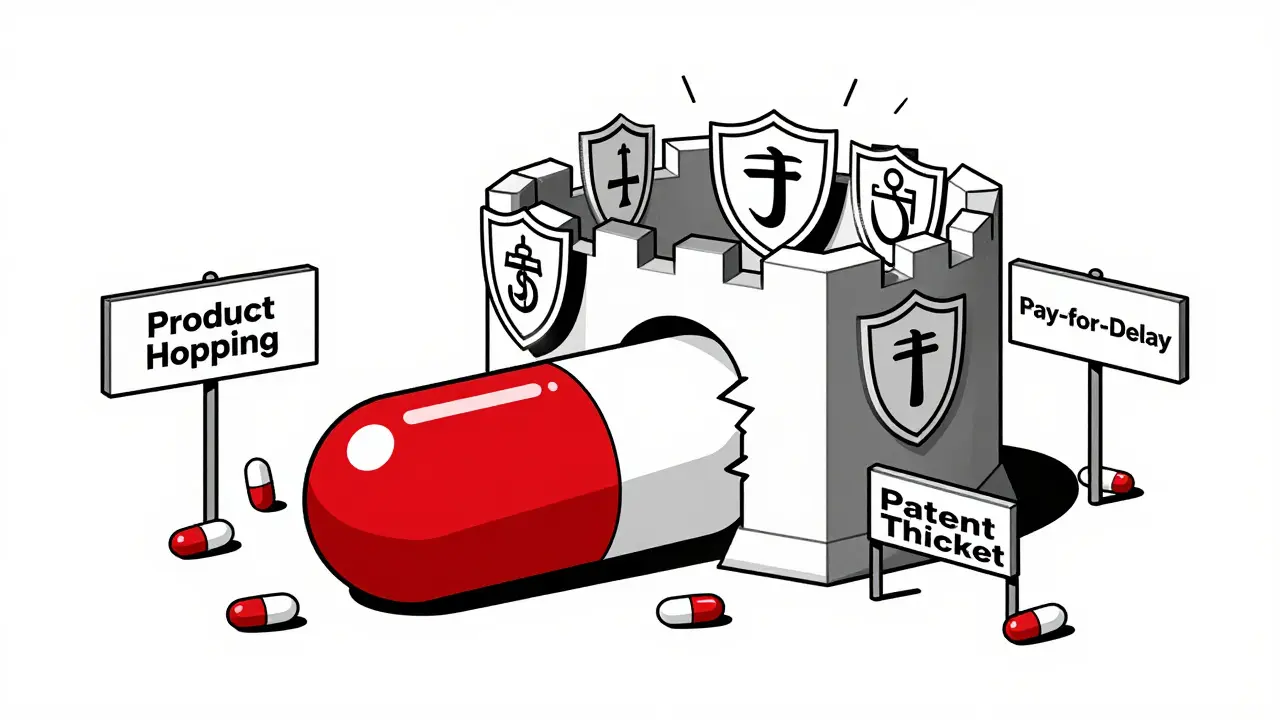

Why Some Brand-Name Drugs Have No Generic Alternatives
Not all brand-name drugs have generic versions-even after patents expire. Complex formulations, patent tricks, and regulatory hurdles keep prices high. Here’s why some drugs stay expensive and what you can do about it.
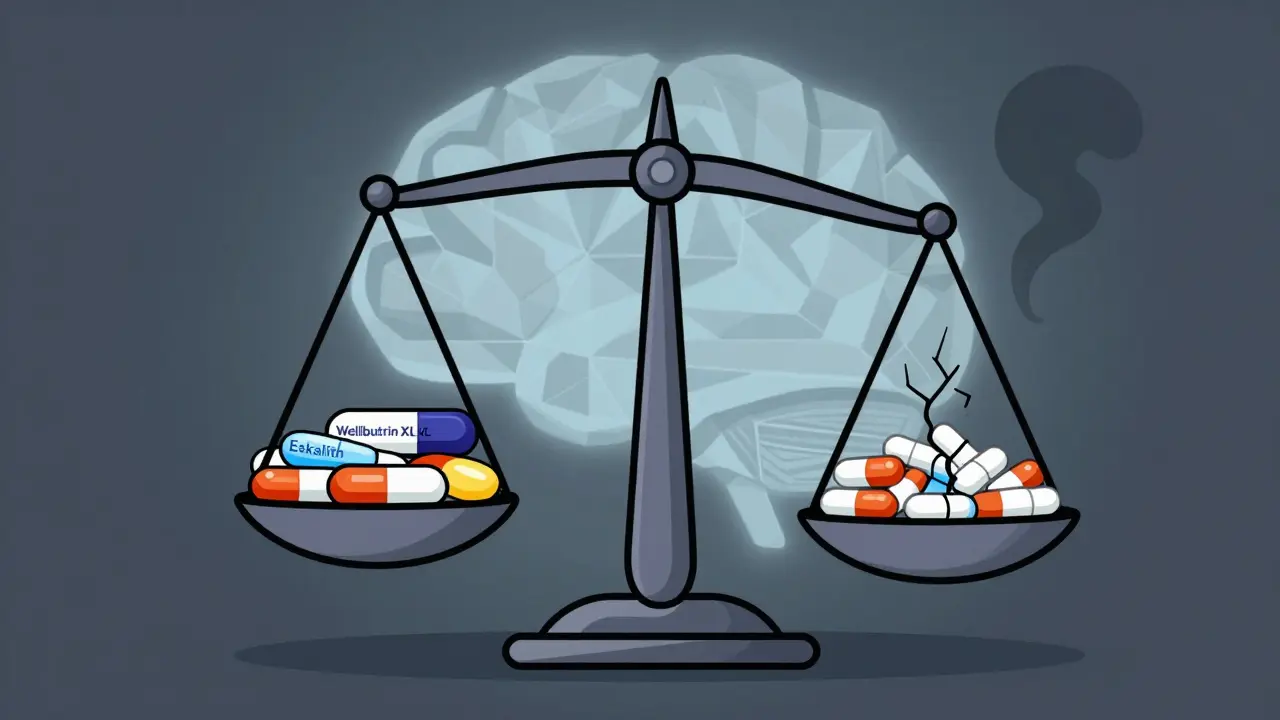
Psychiatric Medication Combinations: Generic Alternatives and What You Need to Know
Combining psychiatric meds can help when one drug isn't enough-but switching to generics may cause relapse, side effects, or treatment failure. Learn which combinations are risky and how to protect yourself.
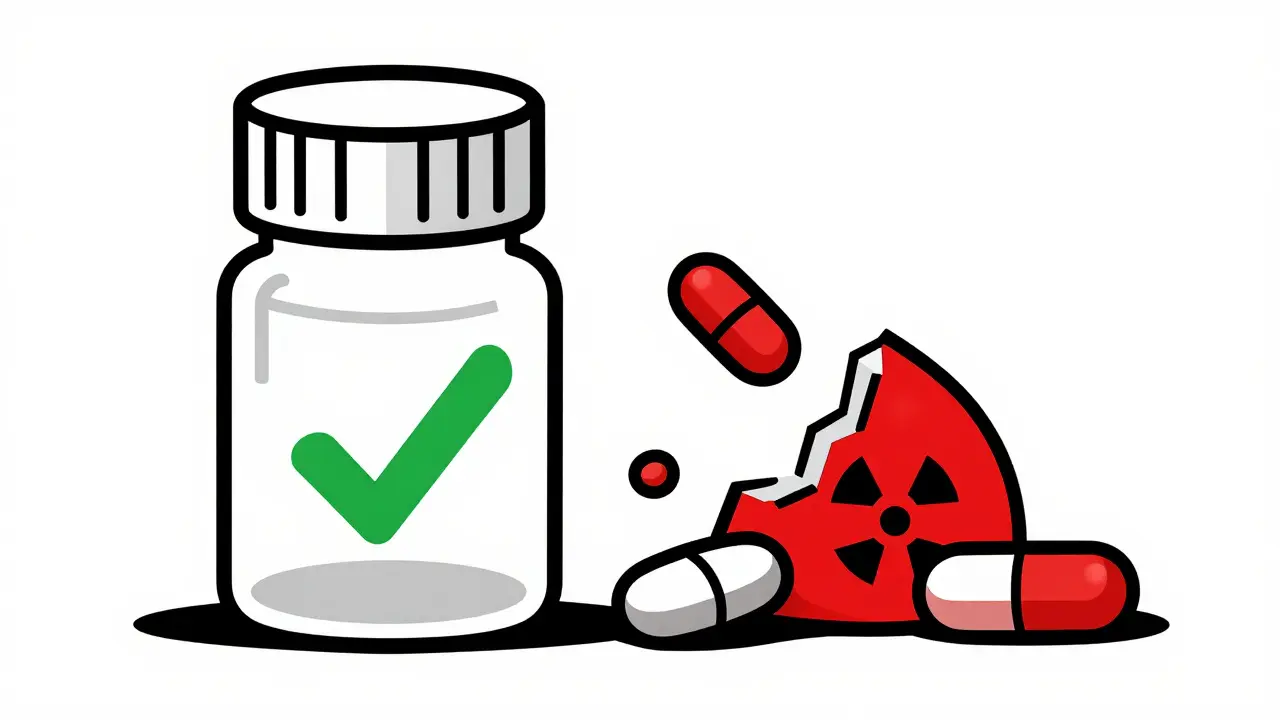
Insurance Protections and Coverage for Counterfeit Drug Risks
Counterfeit drugs pose serious health and financial risks across the pharmaceutical supply chain. Learn how insurance coverage works, what it doesn’t protect, and what companies must do to stay compliant and safe.
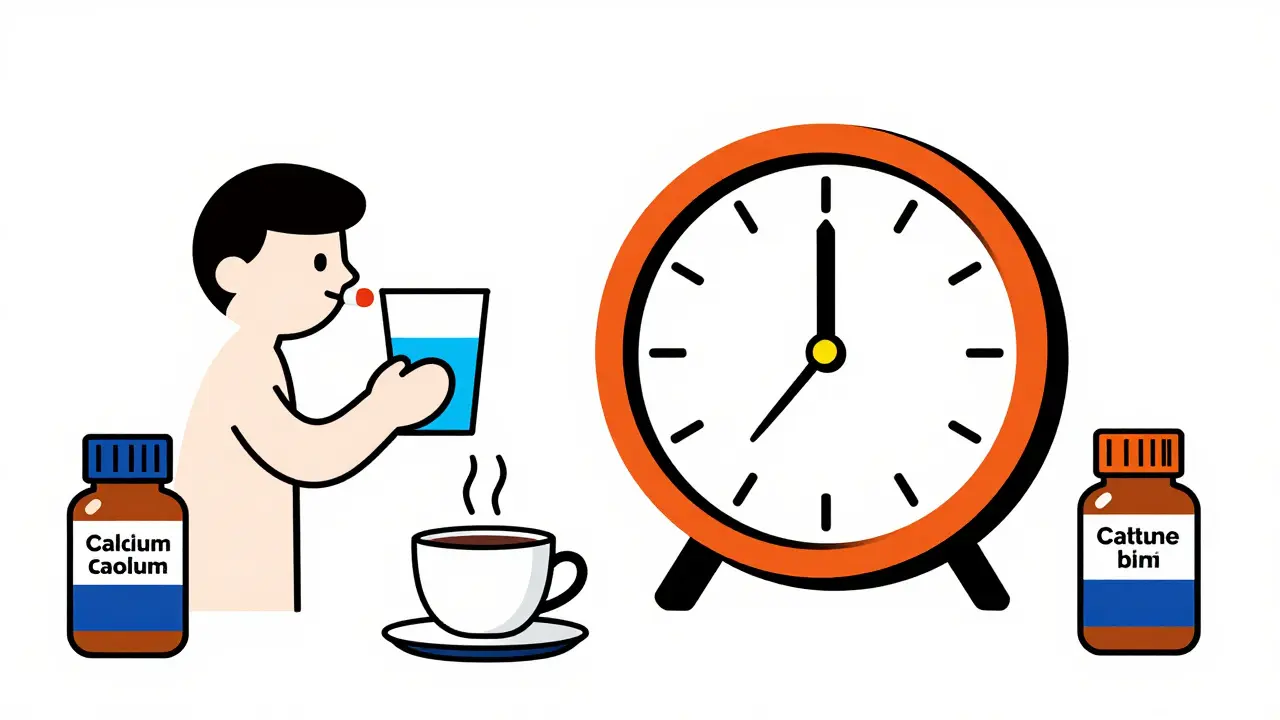
How to Time Your Medications to Avoid Dangerous Drug Interactions
Learn how to time your medications to avoid dangerous drug interactions. Discover which common meds need spacing, what timing won't fix, and simple steps to stay safe without changing your prescriptions.
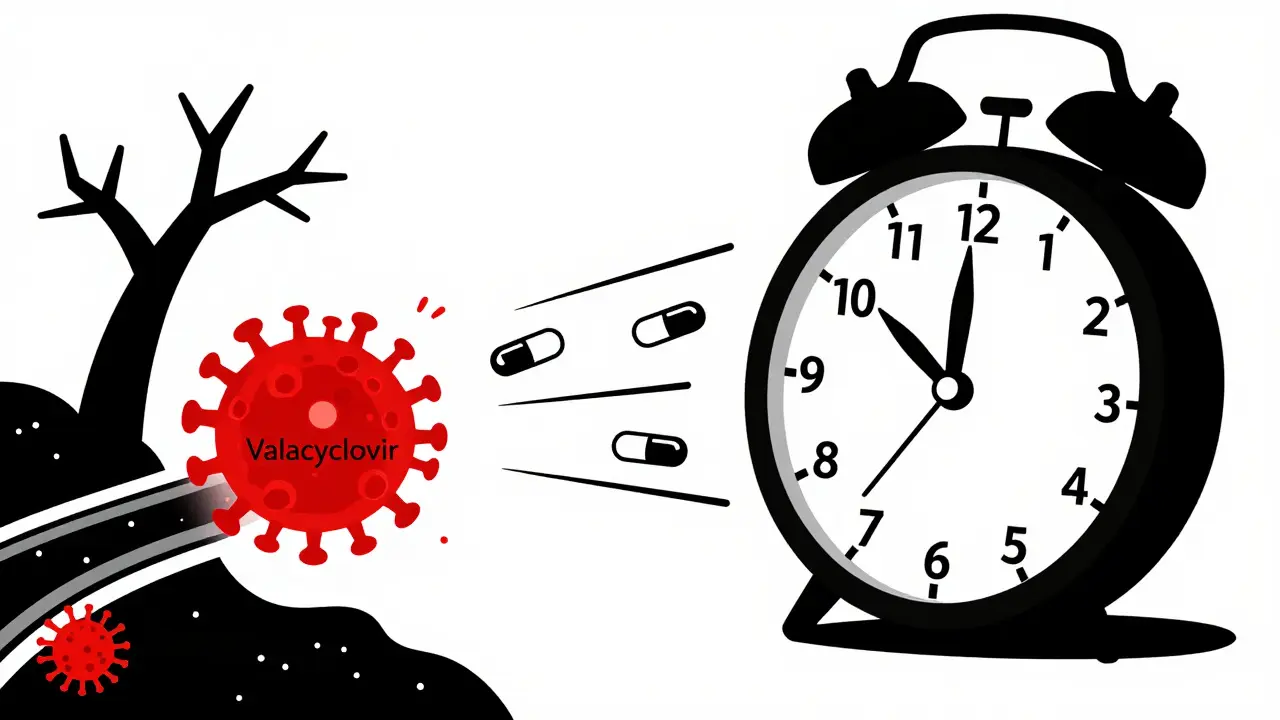
Shingles Treatment: Antivirals and Pain Relief That Actually Work
Shingles causes severe nerve pain and a painful rash. Early antiviral treatment within 72 hours can shorten the outbreak and reduce the risk of long-term pain. Learn which medications work best and how to manage symptoms effectively.
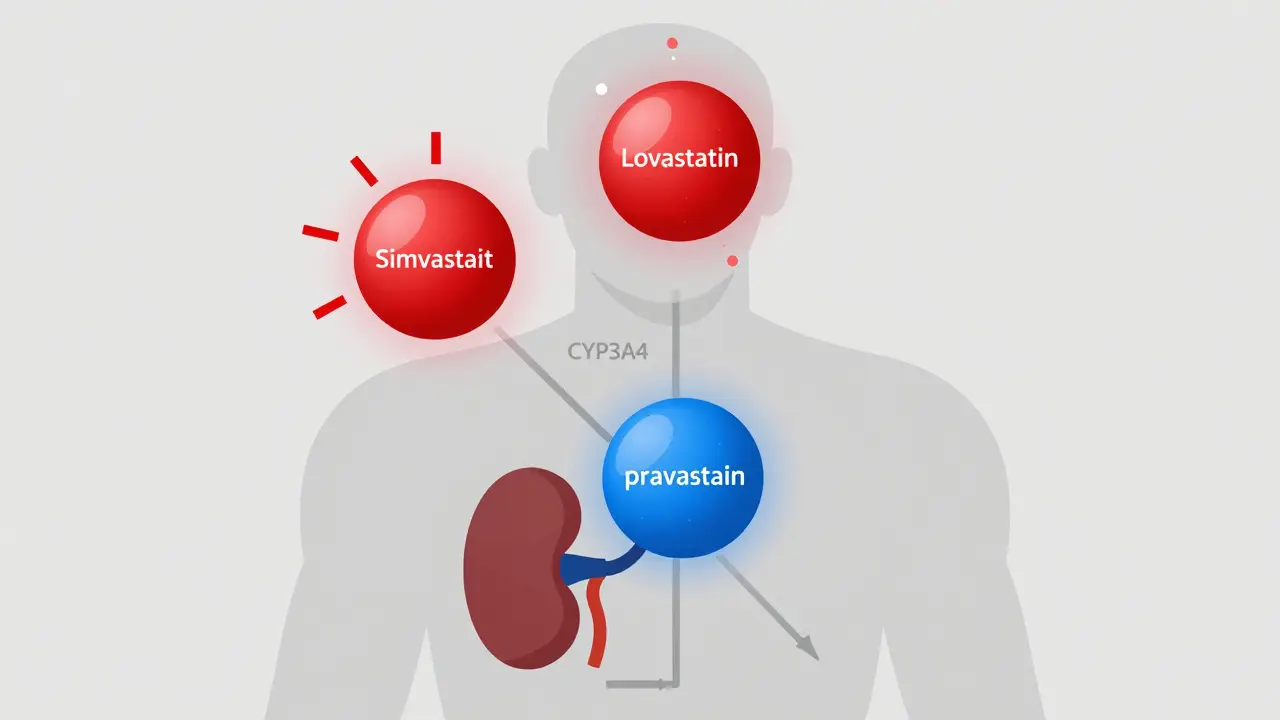
Drug Interactions with Specific Statins: Class Effects and Differences
Not all statins interact the same with other drugs. Simvastatin and lovastatin carry the highest risk, while pravastatin and rosuvastatin are safer with complex medication regimens. Learn how metabolism, genetics, and common drugs affect your statin's safety.

JAK Inhibitors: What You Need to Know About These New Oral Immune Drugs and Their Monitoring Requirements
JAK inhibitors are oral drugs that treat autoimmune conditions like rheumatoid arthritis and eczema with fast results, but carry serious risks like cancer and heart events. Learn who should take them, what to monitor, and what's coming next.
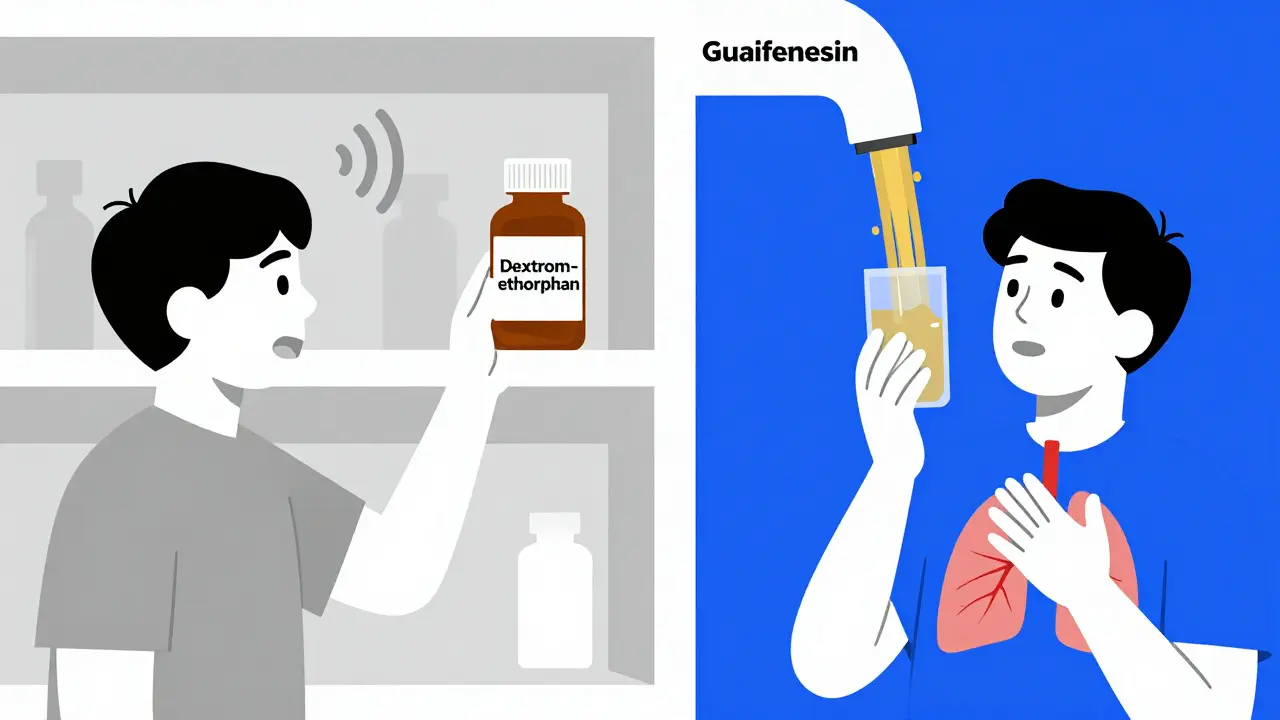
OTC Cough Suppressants vs. Expectorants: How to Choose the Right One for Your Cough
Learn how to tell the difference between OTC cough suppressants and expectorants so you pick the right one for your symptoms. Stop wasting money on the wrong medicine.
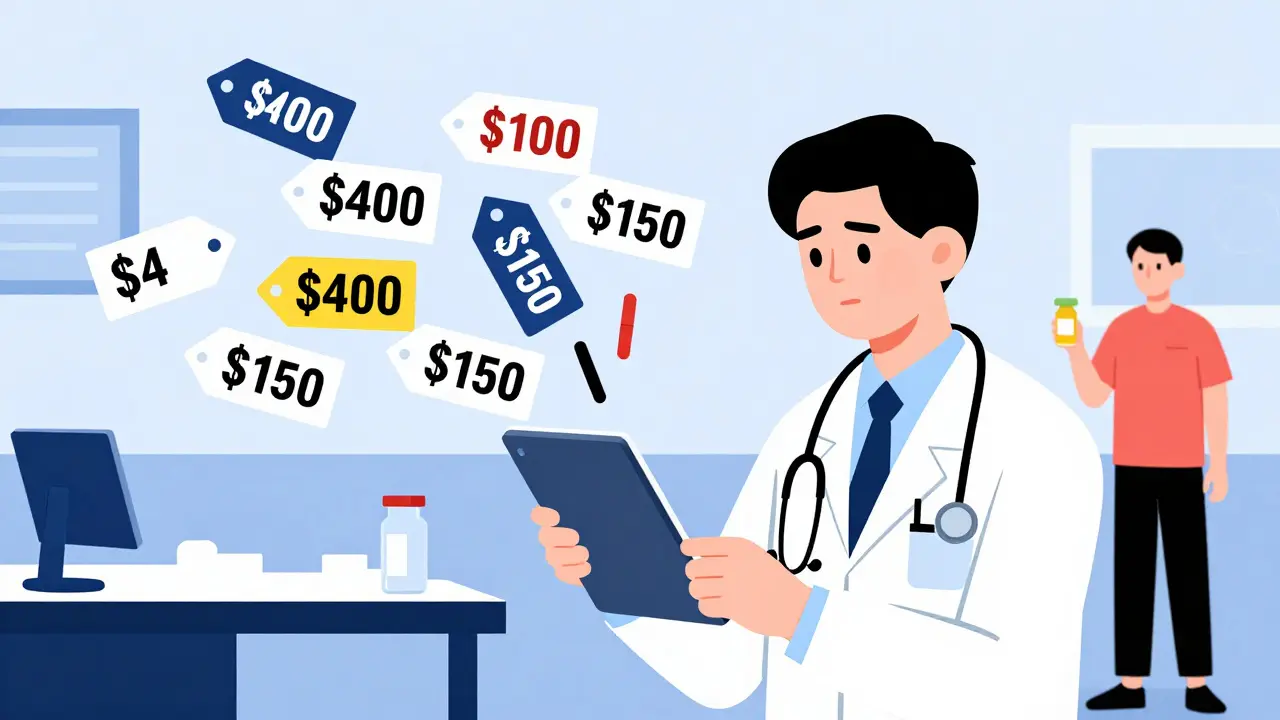
Do Clinicians Know What Drugs Really Cost? The Hidden Gap in Prescribing Decisions
Most clinicians don't know the real cost of the drugs they prescribe. This gap leads to unnecessary expenses, non-adherence, and preventable harm. Real-time cost tools are changing that - but only where they're implemented.
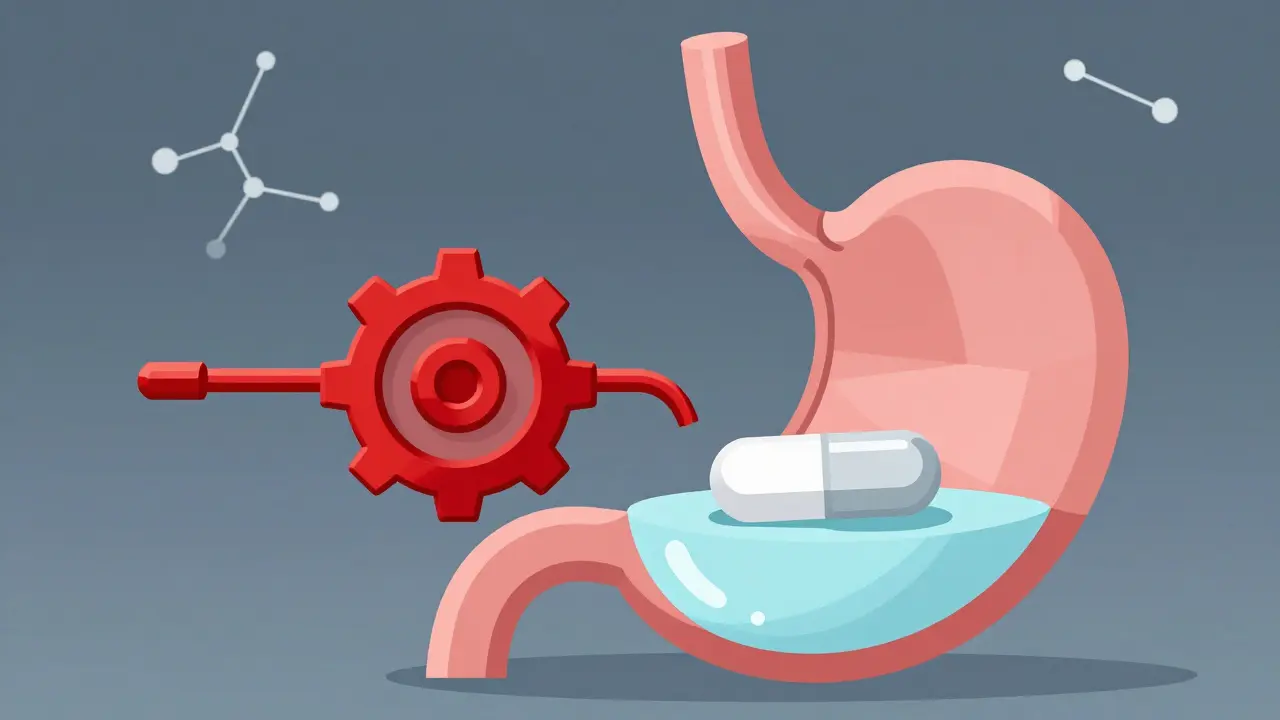
Proton Pump Inhibitors and Antifungals: How They Interfere With Absorption
Proton pump inhibitors can block the absorption of key antifungals like itraconazole, leading to treatment failure. Learn which drugs are affected, how to fix it, and what new options are available.
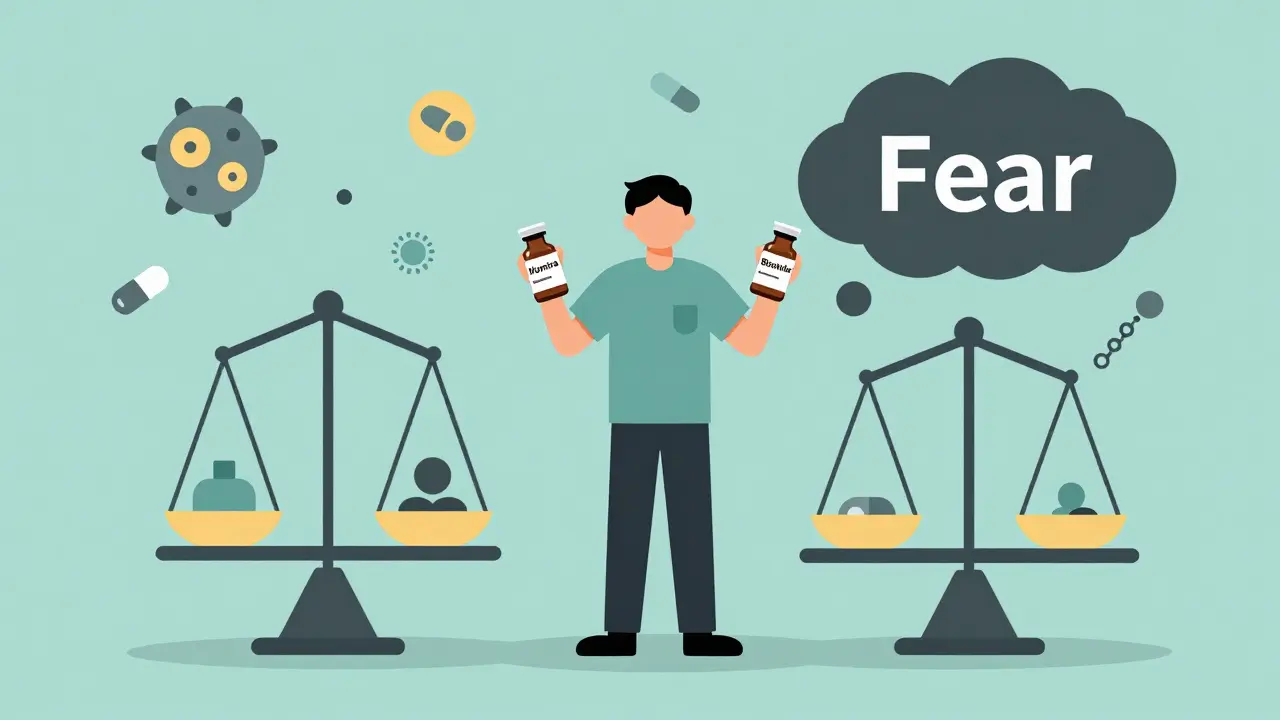
Biosimilar Switching: What Happens When You Change from Originator
Switching from an originator biologic to a biosimilar is safe for most patients, with studies showing no meaningful difference in efficacy or safety. Learn what really happens during the switch-and why fear, not science, is the biggest barrier.
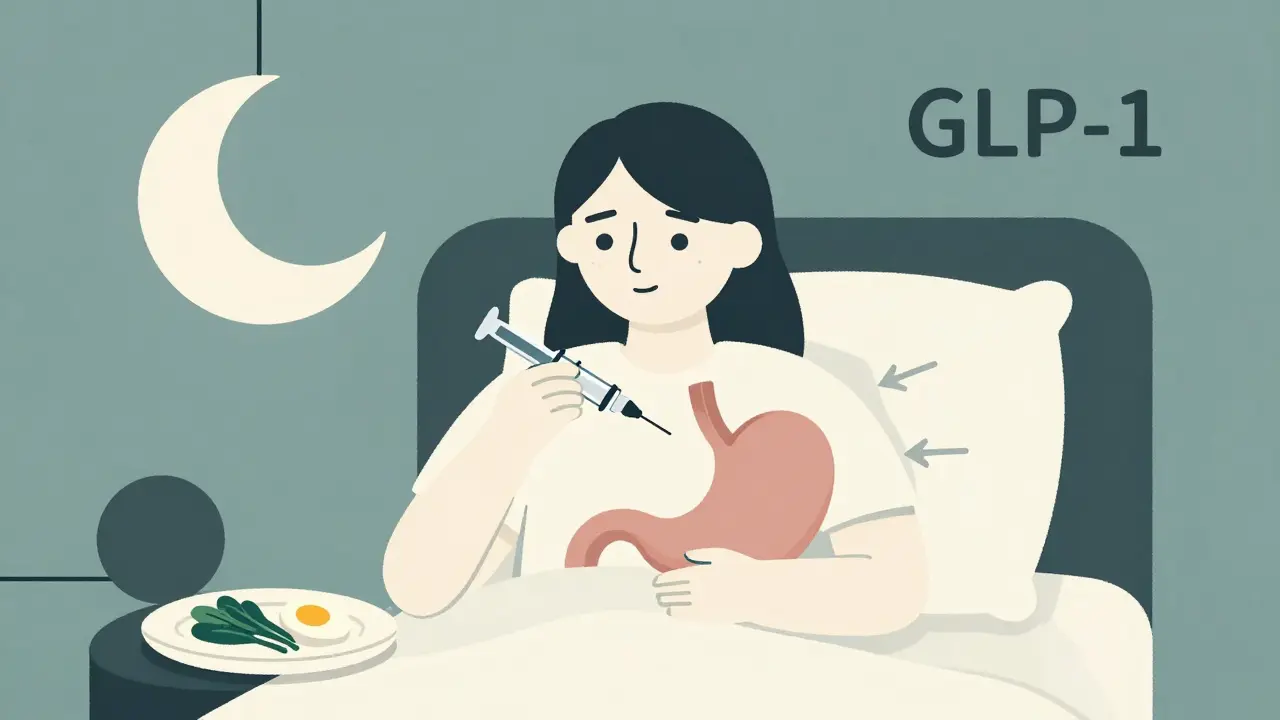
GLP-1 Side Effects: How to Manage Nausea, Dosing, and What Works Best
GLP-1 medications like Wegovy and Ozempic help with weight loss but often cause nausea. Learn how dosing schedules, dietary changes, and timing can reduce side effects and help you stick with treatment.