Category: Health & Wellness - Page 2

Opioid Withdrawal Timeline and How to Manage Symptoms Effectively
Understand the opioid withdrawal timeline, from early symptoms to long-term recovery, and learn evidence-based strategies to manage discomfort and reduce relapse risk with medical support.
Intermittent Fasting: Time-Restricted Eating for Real Weight Loss
Intermittent fasting with time-restricted eating offers a science-backed way to lose weight without counting calories. Studies show it can lead to 1.7-2.5 kg more weight loss than unrestricted eating, while improving metabolic health. The 16:8 method is the most popular, but success depends on consistency and alignment with your body’s natural rhythms.
IVIVC and Waivers: How In Vitro Methods Are Replacing In Vivo Bioequivalence Testing
IVIVC allows pharmaceutical companies to replace costly human bioequivalence trials with lab-based dissolution testing. When validated, it can save millions and accelerate generic drug approvals - but only if built correctly.
Insulin and Beta-Blockers: What You Need to Know About Hypoglycemia Unawareness
Combining insulin and beta-blockers can hide low blood sugar symptoms, putting you at risk for dangerous, even life-threatening hypoglycemia. Learn how to stay safe with better monitoring, the right beta-blocker, and recognizing sweating as your key warning sign.

Preventing SGLT2 Genital Infections: Hygiene, Hydration, and Timing
SGLT2 inhibitors help manage diabetes and protect the heart and kidneys, but they raise the risk of genital yeast infections. Simple hygiene, hydration, and timing can reduce this risk by up to 40% - without stopping the medication.
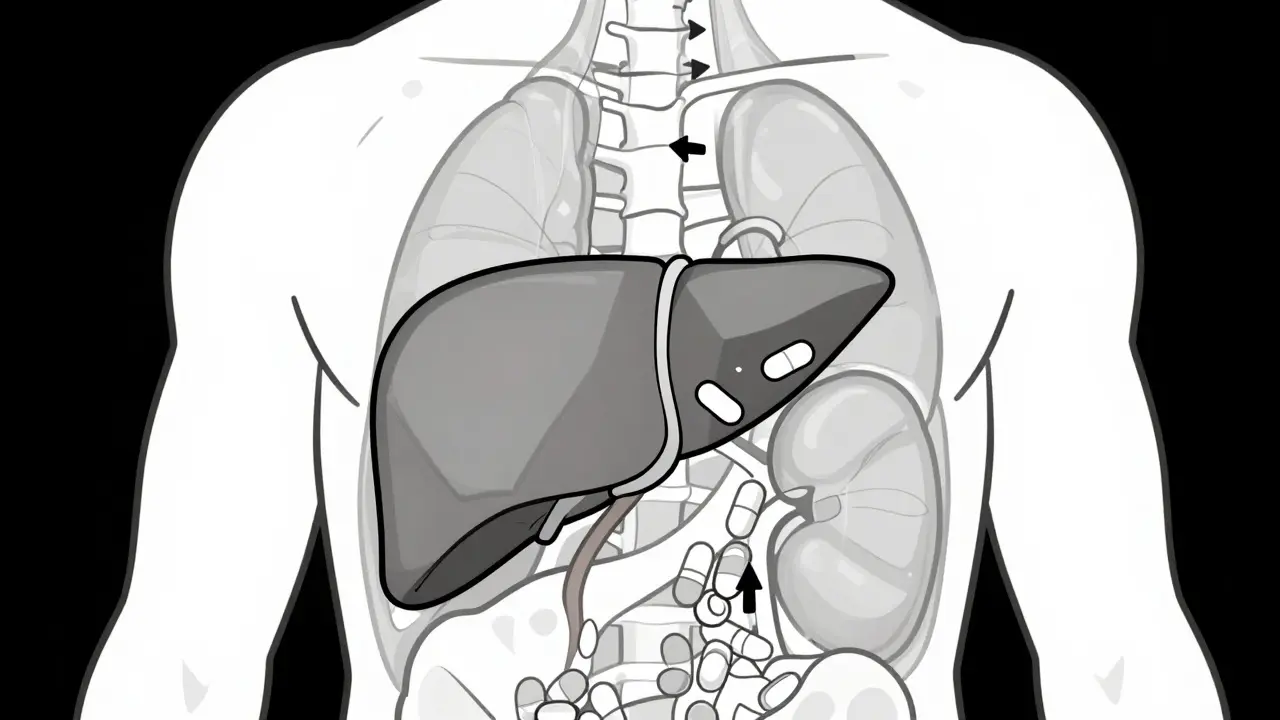
How Liver and Kidney Changes in Older Adults Affect Drug Metabolism
As we age, liver and kidney changes alter how drugs are processed, increasing overdose risks. Learn how reduced blood flow, enzyme activity, and kidney filtration impact medication safety in older adults-and what to do about it.
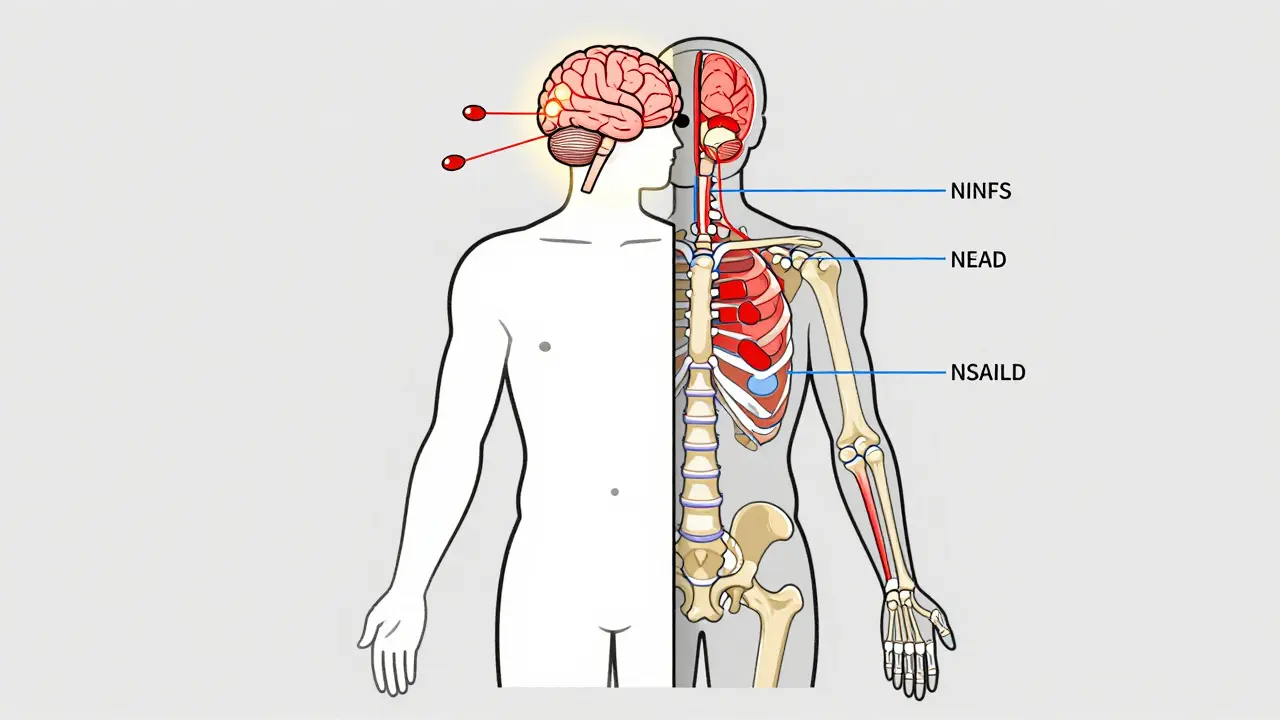
NSAIDs vs. Acetaminophen: Which Pain Reliever Is Right for You?
NSAIDs and acetaminophen are the two top OTC pain relievers, but they work differently. Learn which one to choose for headaches, arthritis, sprains, and more-and how to use them safely.
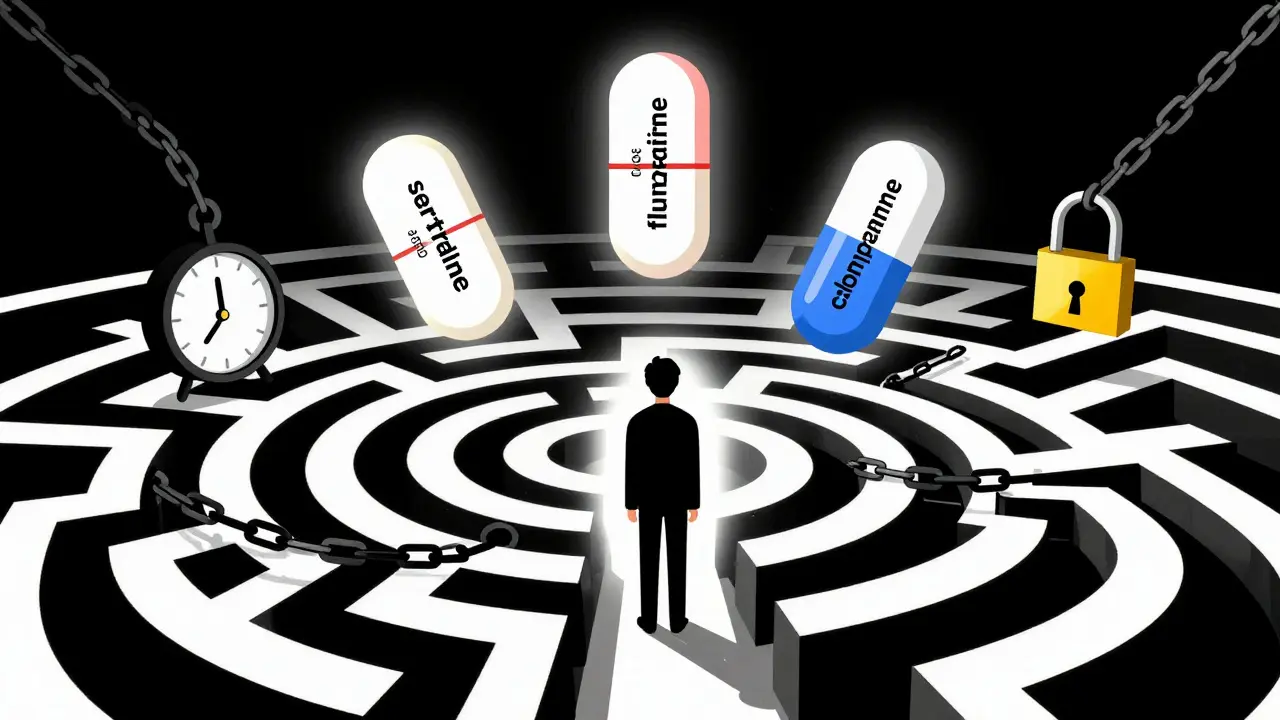
OCD Medication Options: SSRIs, Clomipramine, and Dosing Protocols Explained
SSRIs and clomipramine are the only FDA-approved medications proven to treat OCD. Learn how dosing differs, which is best for you, and what to expect during treatment.
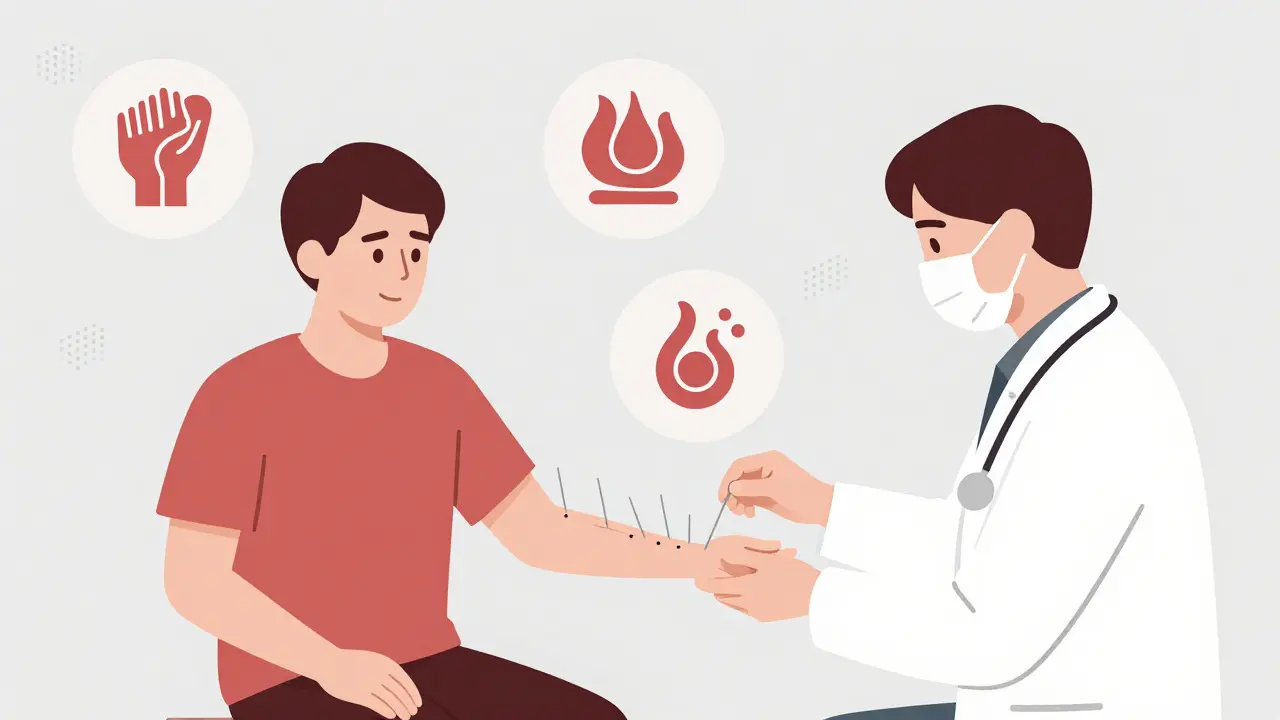
Evidence-Based Complementary Treatments for Medication Side Effects
Discover evidence-based complementary treatments like acupuncture and ginger that can help manage medication side effects safely. Learn what works, what doesn't, and how to avoid dangerous interactions.
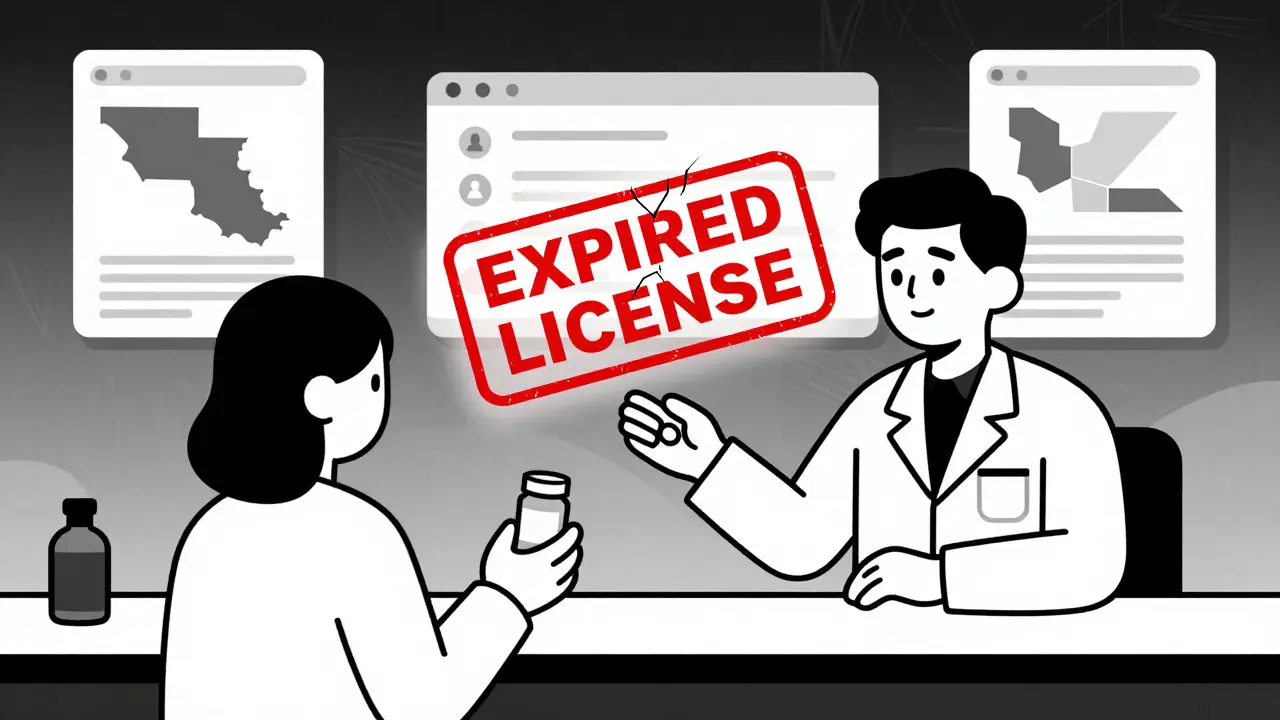
State Pharmacy Boards: How to Verify Pharmacy Licenses to Avoid Counterfeit Drugs
Learn how to verify pharmacy licenses through state boards to avoid counterfeit drugs and unlicensed practitioners. Essential steps for patients, employers, and pharmacists to ensure safety and compliance.
How to Ask for 90-Day Supplies to Reduce Pharmacy Trips
Learn how to ask for a 90-day supply of maintenance medications to cut pharmacy trips in half, save money, and improve adherence. Simple steps for patients on chronic meds.
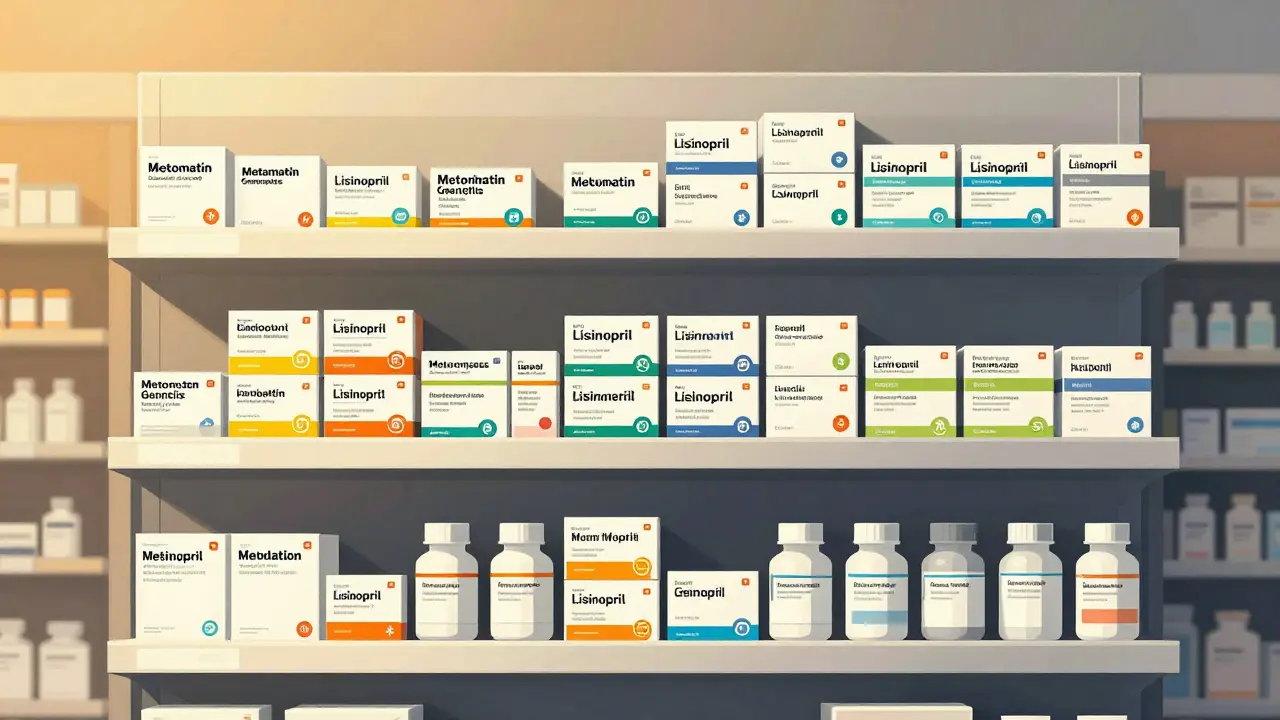
Pharmacy Inventory Management: Generic Stocking Strategies That Cut Costs and Prevent Stockouts
Generic medications make up 90% of prescriptions but only 20% of drug costs. Smart pharmacy inventory strategies cut waste, prevent stockouts, and boost profits by using data-driven minimum/maximum levels, expiry tracking, and dynamic reorder rules tailored to generics.