Archive: 2026/01 - Page 2
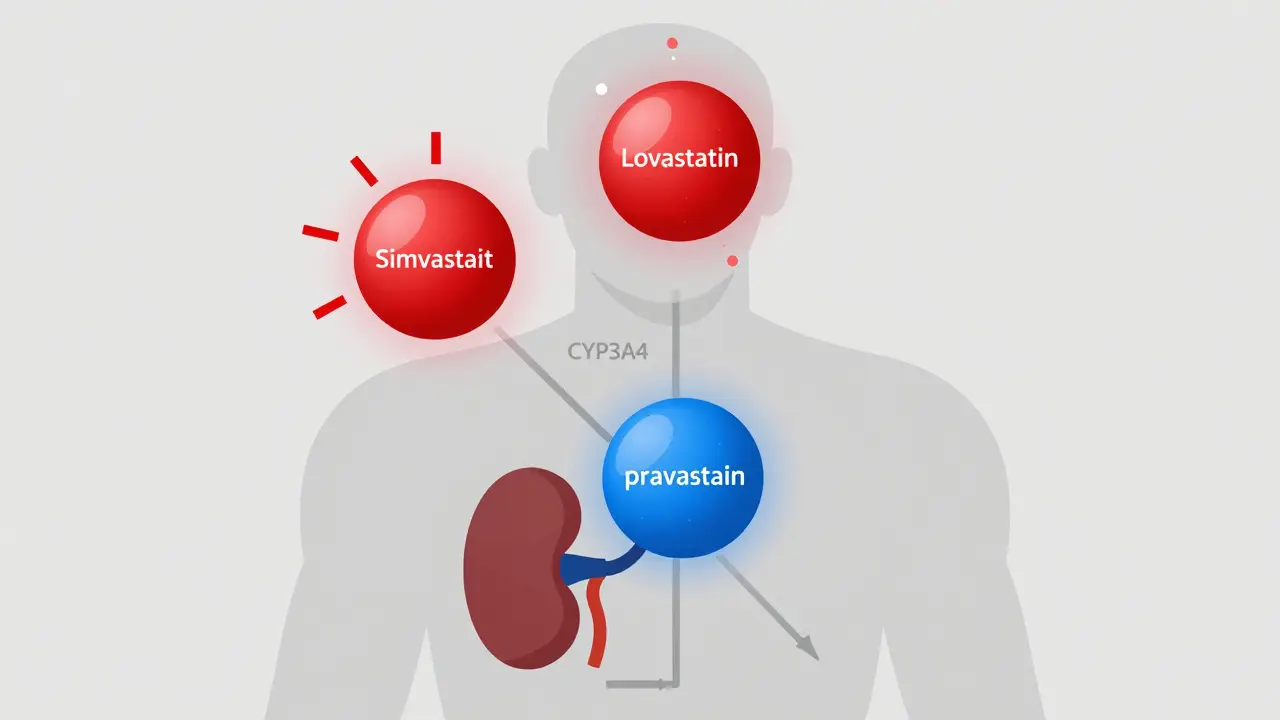

Drug Interactions with Specific Statins: Class Effects and Differences
Not all statins interact the same with other drugs. Simvastatin and lovastatin carry the highest risk, while pravastatin and rosuvastatin are safer with complex medication regimens. Learn how metabolism, genetics, and common drugs affect your statin's safety.

JAK Inhibitors: What You Need to Know About These New Oral Immune Drugs and Their Monitoring Requirements
JAK inhibitors are oral drugs that treat autoimmune conditions like rheumatoid arthritis and eczema with fast results, but carry serious risks like cancer and heart events. Learn who should take them, what to monitor, and what's coming next.
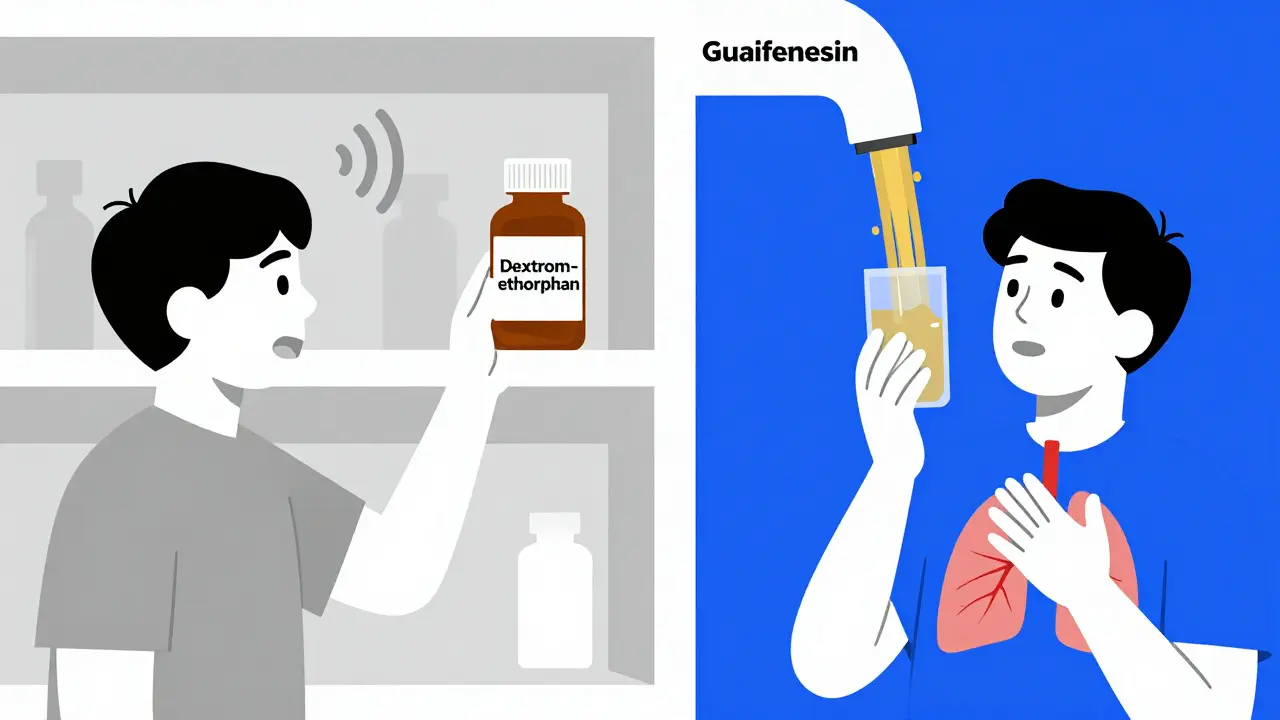
OTC Cough Suppressants vs. Expectorants: How to Choose the Right One for Your Cough
Learn how to tell the difference between OTC cough suppressants and expectorants so you pick the right one for your symptoms. Stop wasting money on the wrong medicine.
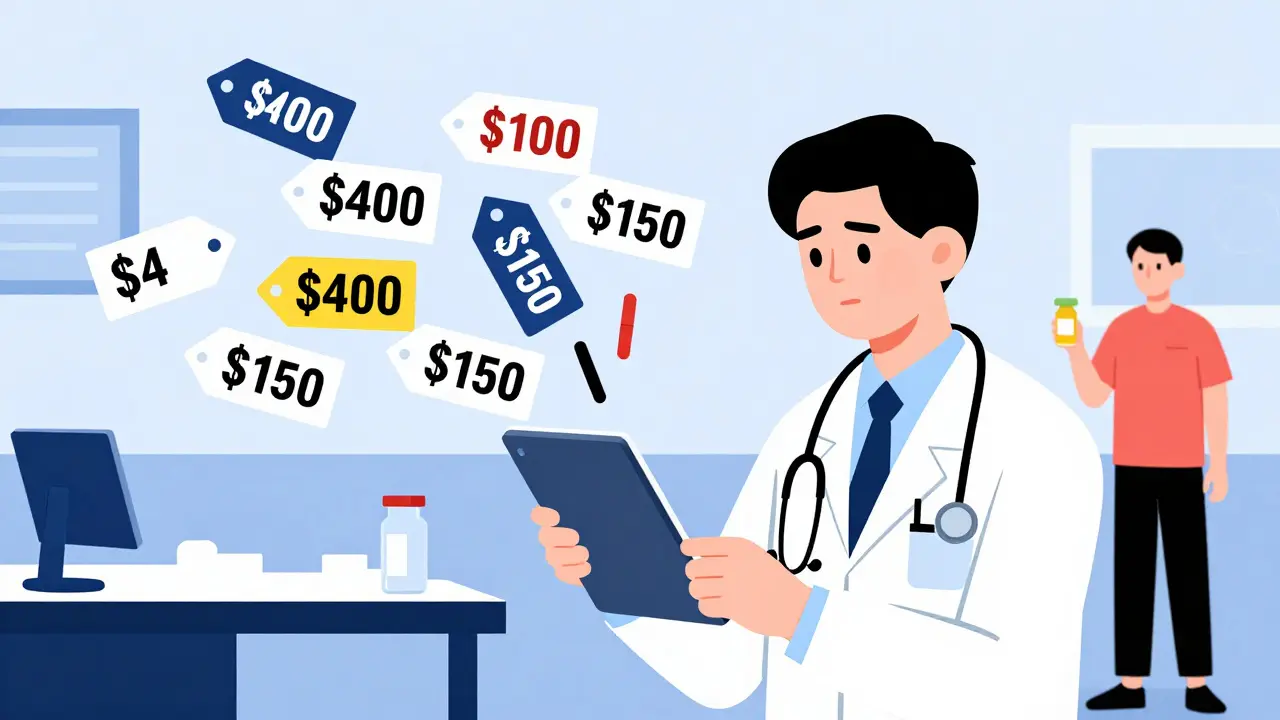
Do Clinicians Know What Drugs Really Cost? The Hidden Gap in Prescribing Decisions
Most clinicians don't know the real cost of the drugs they prescribe. This gap leads to unnecessary expenses, non-adherence, and preventable harm. Real-time cost tools are changing that - but only where they're implemented.
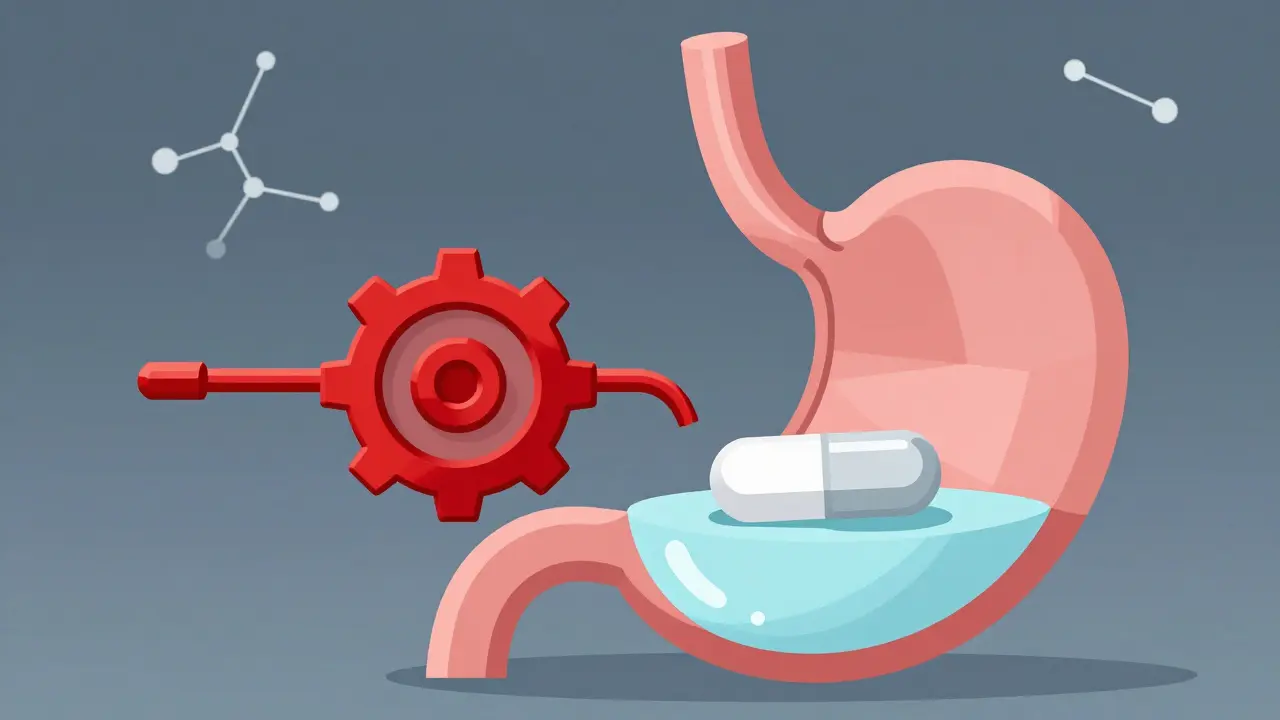
Proton Pump Inhibitors and Antifungals: How They Interfere With Absorption
Proton pump inhibitors can block the absorption of key antifungals like itraconazole, leading to treatment failure. Learn which drugs are affected, how to fix it, and what new options are available.
Biosimilar Switching: What Happens When You Change from Originator
Switching from an originator biologic to a biosimilar is safe for most patients, with studies showing no meaningful difference in efficacy or safety. Learn what really happens during the switch-and why fear, not science, is the biggest barrier.
GLP-1 Side Effects: How to Manage Nausea, Dosing, and What Works Best
GLP-1 medications like Wegovy and Ozempic help with weight loss but often cause nausea. Learn how dosing schedules, dietary changes, and timing can reduce side effects and help you stick with treatment.
Symptoms of Taking Counterfeit Medications: What to Watch For
Counterfeit meds can look real but contain dangerous fillers or no active ingredient at all. Watch for sudden side effects, no therapeutic effect, or odd pill appearance. Know how to spot fakes and what to do if you suspect one.
Opioid-Induced Hyperalgesia: Why Long-Term Opioid Use Can Make Pain Worse
Opioid-induced hyperalgesia is a paradoxical condition where long-term opioid use increases pain sensitivity instead of reducing it. Learn how it differs from tolerance, who's at risk, and what treatments actually work.
Antidepressants for Teens: Understanding the Black Box Warning and How to Monitor Risk
The FDA's black box warning on antidepressants for teens warns of increased suicide risk, but research shows avoiding treatment may be more dangerous. Learn how to monitor risk and when medication can save lives.
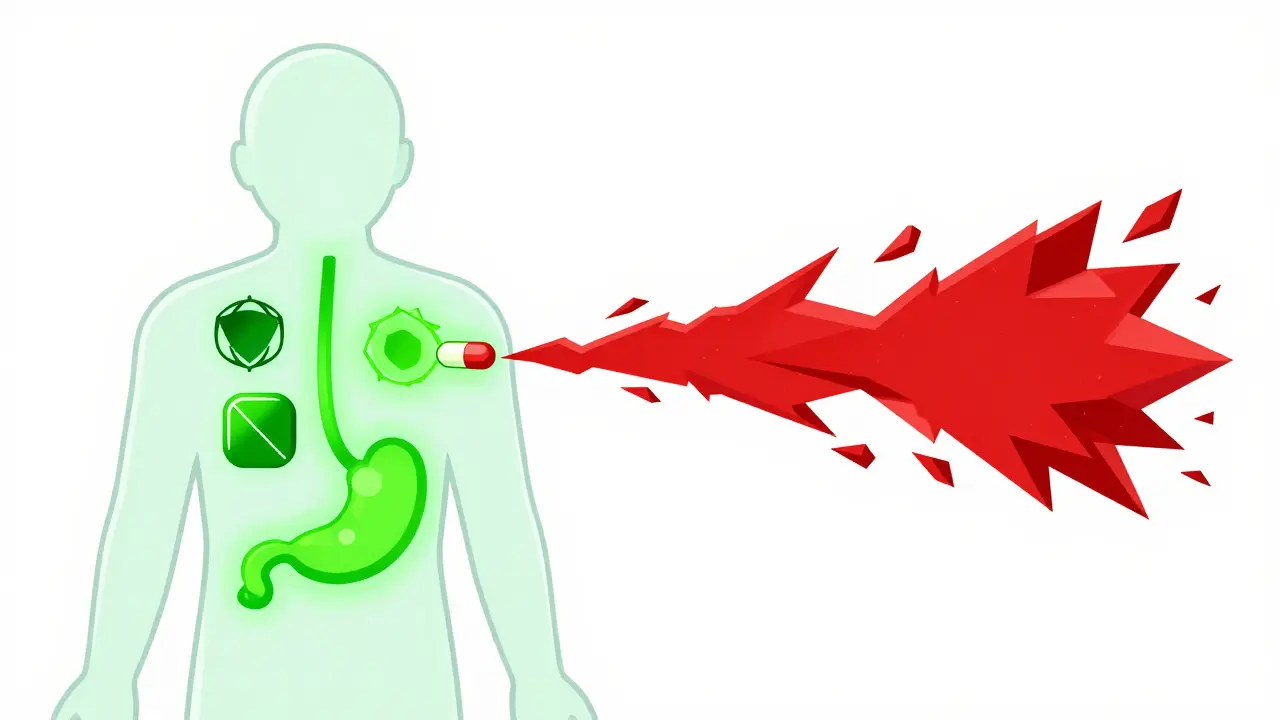
Predictable vs Unpredictable Side Effects: Understanding Drug Safety
Learn the difference between predictable and unpredictable drug side effects, why they matter for your safety, and how genetics, dosing, and medical monitoring play a role in preventing serious reactions.
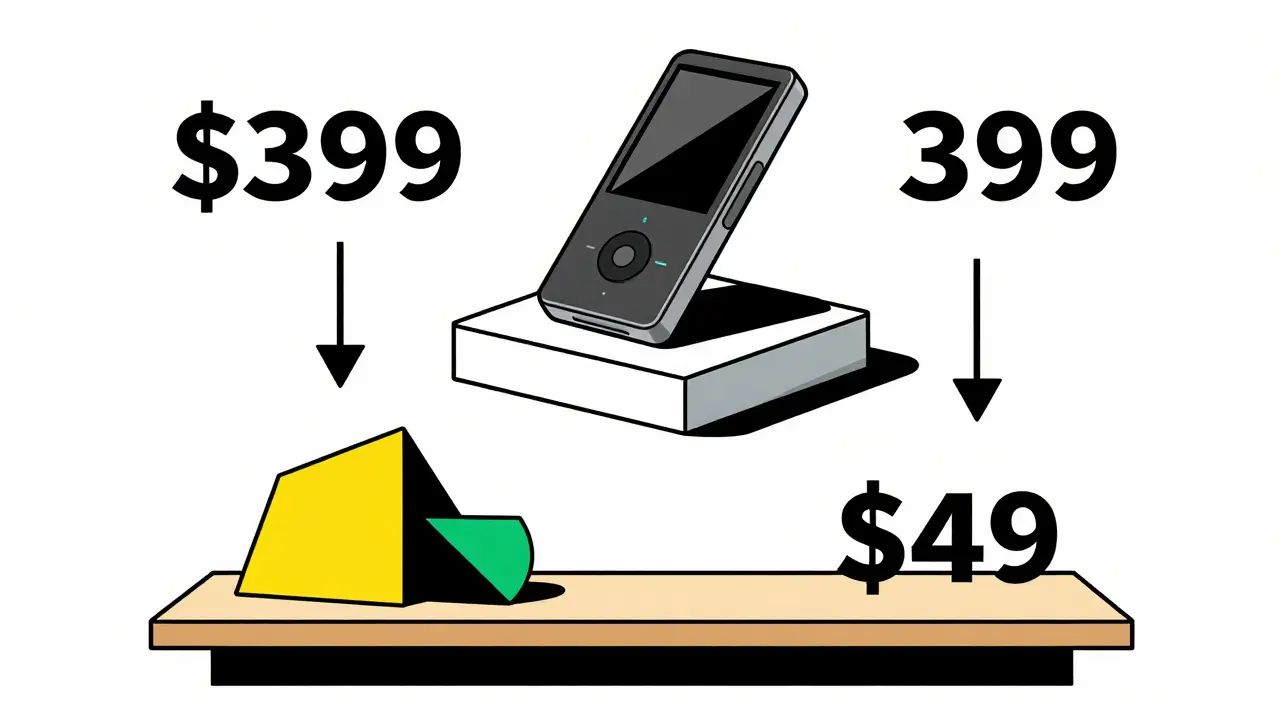
Why Prices Drop at Launch: The Real Reason Behind First Generic Entry
First generic entry causes prices to drop sharply at launch because competitors offer similar products at a fraction of the cost. This trend is reshaping software, electronics, and beyond - and customers are choosing value over brand.